
Watching your dog grow older is a bittersweet milestone. The gray muzzle, the slower pace on morning walks, the extra-long naps — these are all signs that your best friend is entering their golden years. While senior dogs require a little more attention and care, they can still enjoy a rich, comfortable, and happy life well into old age. In fact, many of the changes you make during this stage of life can deepen your bond and keep your dog feeling great for years to come.
This complete guide walks you through everything you need to know about caring for a senior dog, from adjusting their diet and exercise routine to managing joint health, dental care, and mental stimulation. Whether your dog is just starting to slow down or is already deep into their senior years, these practical tips will help you keep them healthy, comfortable, and content.
When Is a Dog Considered a Senior?
A dog’s “senior” status depends largely on their size and breed. Smaller dogs tend to live longer and age more slowly, while larger breeds reach old age sooner. As a general rule of thumb:
- Small breeds (under 20 pounds): senior around 10–12 years old
- Medium breeds (20–50 pounds): senior around 8–10 years old
- Large breeds (50–90 pounds): senior around 7–8 years old
- Giant breeds (over 90 pounds): senior around 6–7 years old
Age is only part of the picture, though. Some dogs remain playful and energetic well into their teens, while others begin to slow down noticeably earlier. The key is to pay attention to your individual dog’s behavior, energy level, and health rather than relying on a number alone. When you start to notice changes — stiffness after resting, reduced enthusiasm for long walks, cloudier eyes, or a graying coat — it’s time to start making gentle adjustments to their daily routine.
Adjusting Your Senior Dog’s Diet
Nutrition is one of the most impactful ways to support an aging dog. As your dog’s metabolism slows and their activity level drops, their caloric needs change — and so do their nutritional requirements. A well-balanced senior diet can help maintain a healthy weight, protect aging joints, and support organ function.
Nutritional Needs for Older Dogs
Senior dogs generally benefit from a diet that is:
- Lower in calories to prevent weight gain as activity decreases
- High in quality protein to preserve lean muscle mass, which naturally declines with age
- Rich in omega-3 fatty acids (like those found in fish oil) to reduce inflammation and support joint, heart, and brain health
- Fortified with glucosamine and chondroitin to support cartilage and joint function
- Packed with antioxidants (such as vitamins C and E) to support the immune system and cognitive function
- Moderate in phosphorus for older dogs whose kidney function may be declining
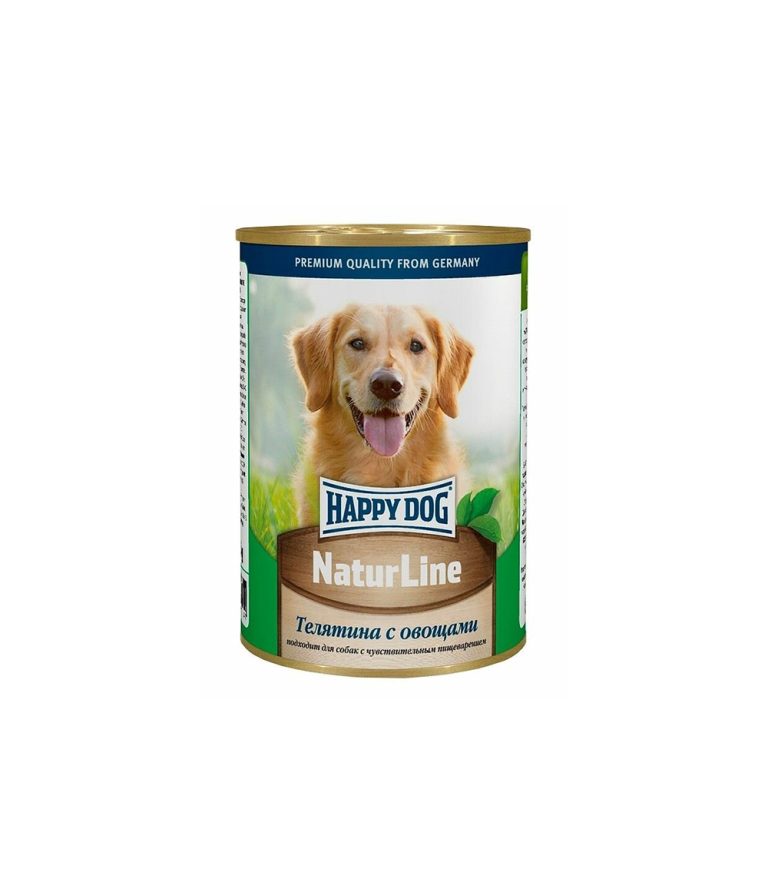
If you’re unsure where to start, ask your veterinarian for a recommendation based on your dog’s breed, weight, and health status. Many senior-specific formulas are available, and choosing the right dog food for this life stage can make a meaningful difference in your dog’s energy and overall health.
Feeding Schedules and Portion Control
Obesity is one of the most common — and most preventable — health problems in senior dogs. Extra weight puts strain on aging joints, worsens arthritis, and increases the risk of diabetes, heart disease, and respiratory issues. To keep your older dog at a healthy weight:
- Measure every meal with a proper measuring cup or scale instead of eyeballing portions
- Reduce treats or switch to low-calorie options like baby carrots or green beans
- Feed smaller, more frequent meals, which can be easier on an aging digestive system
- Monitor their body condition regularly — you should be able to feel (but not see) their ribs easily
Some senior dogs also benefit from elevated food and water bowls, which reduce strain on the neck and joints while eating and drinking.
Supplements Worth Considering
While whole foods should always be the foundation, certain supplements can provide extra support for aging dogs. Always check with your vet before adding anything new, but commonly recommended options include:
- Glucosamine and chondroitin for joint health and mobility
- Omega-3 fatty acids for skin, coat, heart, and brain health
- Probiotics to support digestion and a healthy gut
- Joint-support formulas that combine multiple ingredients for dogs with arthritis
Exercise and Physical Activity for Senior Dogs
It’s a common misconception that senior dogs should be left to rest all day. The truth is that regular, appropriate exercise is one of the best things you can do for an aging dog. It keeps joints lubricated, maintains muscle tone, supports a healthy weight, and provides essential mental stimulation.
How Much Exercise Does an Older Dog Need?
Your senior dog may not be up for a five-mile run anymore, but they still need daily movement. Aim for shorter, more frequent sessions rather than one long outing. A good starting point is two or three 15- to 30-minute walks per day, adjusting based on your dog’s stamina and mobility. The goal is to keep them moving without causing pain or exhaustion.
Watch for signs that you’re pushing too hard: limping, lagging behind, heavy panting, or reluctance to continue are all cues to slow down and head home. On the flip side, a dog who still bounces with excitement at the sight of their leash may be able to handle a bit more.
Low-Impact Activities Your Senior Dog Will Love
In addition to gentle walks, consider adding low-impact activities that are easy on aging joints:
- Swimming — an excellent full-body workout with no impact on the joints
- Gentle fetch on soft grass rather than hard pavement
- Short sniffing walks that let your dog explore at their own pace
- Basic training refreshers to keep the mind sharp and reinforce your bond
- Indoor games like hiding treats for your dog to find on rainy or cold days
Consistency matters more than intensity. A steady routine of manageable activity will do far more for your senior dog than occasional bursts of vigorous exercise.
Managing Mobility and Joint Health
Arthritis and joint stiffness are extremely common in older dogs, affecting a large majority of dogs over the age of seven. The good news is that there are many ways to ease discomfort and help your dog stay mobile and comfortable.
Home Modifications for an Aging Dog
Small changes around your home can make a big difference for a dog with aching joints:
- Place rugs or non-slip mats on slippery hardwood and tile floors to prevent falls
- Use ramps or pet stairs for couches, beds, and vehicles
- Keep food, water, and bedding all on one level to minimize stair climbing
- Block off steep stairs with baby gates if your dog struggles with them
- Provide a warm, draft-free sleeping area away from cold floors
Orthopedic Beds and Supportive Gear
Sleep is when your dog’s body repairs itself, and a supportive bed is one of the best investments you can make for a senior dog. Orthopedic and memory-foam beds cushion pressure points, ease joint pain, and help older dogs rest more comfortably. Look for a dog bed with thick, supportive foam and a low-profile entrance that’s easy to step onto. Heated beds can also provide soothing relief during colder months, especially for dogs with arthritis.
For dogs with significant mobility challenges, supportive harnesses with rear-end lift handles can help you safely assist them on stairs, into the car, or during potty breaks.
Regular Veterinary Care and Health Monitoring
Senior dogs should see the veterinarian more frequently than their younger counterparts. Most vets recommend checkups every six months for older dogs, rather than once a year. These visits allow your vet to catch problems early, when they’re often easier and less expensive to treat.
Common Health Issues in Senior Dogs
Some of the most frequently diagnosed conditions in older dogs include:
- Arthritis and other joint problems
- Dental disease, which can affect more than just the mouth
- Kidney and liver disease
- Heart disease
- Diabetes
- Cognitive dysfunction (dog dementia)
- Vision and hearing loss
- Cancer
Routine blood work, urine tests, and physical exams at each senior checkup can help detect many of these issues before they become serious.
Watch-For Warning Signs
Between vet visits, keep an eye out for changes that could signal a problem. Contact your veterinarian if you notice:
- Sudden weight loss or gain
- Increased thirst or urination
- Changes in appetite
- Lumps or bumps that grow or change
- Persistent coughing or difficulty breathing
- Bad breath, drooling, or trouble eating
- Disorientation, pacing, or unusual behavior
- Loss of bladder or bowel control
Dental and Grooming Care
Dental health is easy to overlook but critically important for senior dogs. Untreated dental disease can cause pain, tooth loss, and even spread bacteria to the heart, liver, and kidneys. Brush your dog’s teeth regularly with a dog-safe toothpaste, offer dental chews, and schedule professional cleanings as recommended by your vet.
Grooming routines may also need adjustments as your dog ages. Older dogs often benefit from:
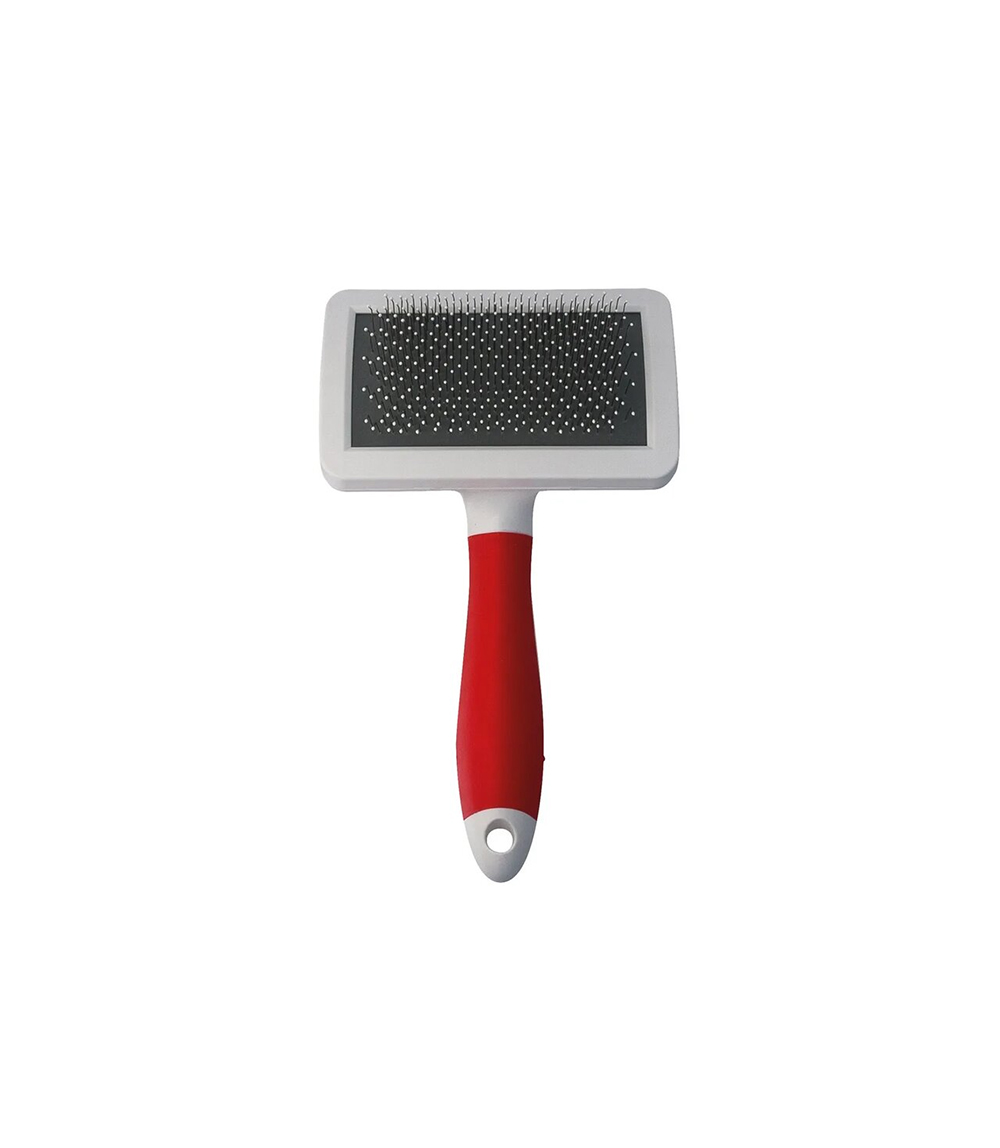
- More frequent brushing to keep an aging coat and skin healthy
- Gentler handling, since older dogs may be more sensitive or stiff
- Regular nail trims, since less walking means nails wear down more slowly
- Careful cleaning around the eyes, ears, and rear, which may need extra attention
- Baths with warm water and a non-slip mat to keep your dog comfortable and secure
Mental Stimulation and Cognitive Health
Just like humans, dogs can experience cognitive decline as they age. Keeping an older dog’s brain active can help slow this process and improve their quality of life. Mental enrichment is every bit as important as physical exercise for a senior dog.
- Introduce puzzle toys and treat-dispensing toys that make your dog think
- Continue (or restart) basic training with short, positive sessions
- Rotate toys regularly to keep things interesting
- Provide new, safe experiences like a different walking route or a new sniff spot
- Play gentle games like “find the treat” around the house
Keeping a predictable daily routine is also reassuring for senior dogs, especially those experiencing cognitive changes. Consistent meal times, walk times, and bedtimes help reduce anxiety and confusion.
Making Your Home Senior-Dog Friendly
Small comforts add up to a big difference in your senior dog’s daily happiness. Beyond mobility aids and orthopedic beds, consider these thoughtful touches:
- Keep water bowls in multiple rooms so hydration is always within easy reach
- Provide soft, easily accessible bedding in the rooms where your dog spends the most time
- Maintain a comfortable indoor temperature, since older dogs have a harder time regulating body heat
- Use night lights so a dog with failing vision can navigate safely after dark
- Keep a consistent layout — avoid moving furniture frequently, which can confuse dogs with poor eyesight
Most importantly, be patient. Your senior dog may need a little extra time to get up, walk across the room, or respond to a cue. Meeting them with patience and understanding is one of the kindest things you can do during this stage of life.
Frequently Asked Questions
What age is a dog considered a senior?
It depends on the dog’s size. Small breeds are typically considered seniors around 10–12 years old, medium breeds around 8–10, large breeds around 7–8, and giant breeds around 6–7. Your veterinarian can help you determine when your specific dog should transition to a senior care routine.
How often should a senior dog see the vet?
Most veterinarians recommend that senior dogs have a checkup every six months rather than once a year. These more frequent visits allow for early detection of common age-related conditions like arthritis, kidney disease, and dental problems, and often include routine blood work and urine testing.
Do senior dogs need different food?
In many cases, yes. Senior dogs often benefit from food that is lower in calories but still rich in high-quality protein, omega-3 fatty acids, and joint-supporting nutrients like glucosamine. Your vet can recommend a formula tailored to your dog’s weight, breed, and any underlying health conditions.
How can I help my senior dog with arthritis?
You can help by maintaining a healthy weight, providing low-impact exercise like swimming or gentle walks, offering an orthopedic bed, using ramps to reduce stair and furniture climbing, and adding joint supplements such as glucosamine and omega-3s. Your veterinarian may also recommend medications or physical therapy for more advanced cases.
Should I change my senior dog’s exercise routine?
Yes, but don’t stop exercising altogether. Replace long, intense sessions with shorter, more frequent, low-impact activities. Gentle walks, swimming, and easy play keep joints healthy, maintain muscle mass, and support mental well-being without overexerting an aging body.