
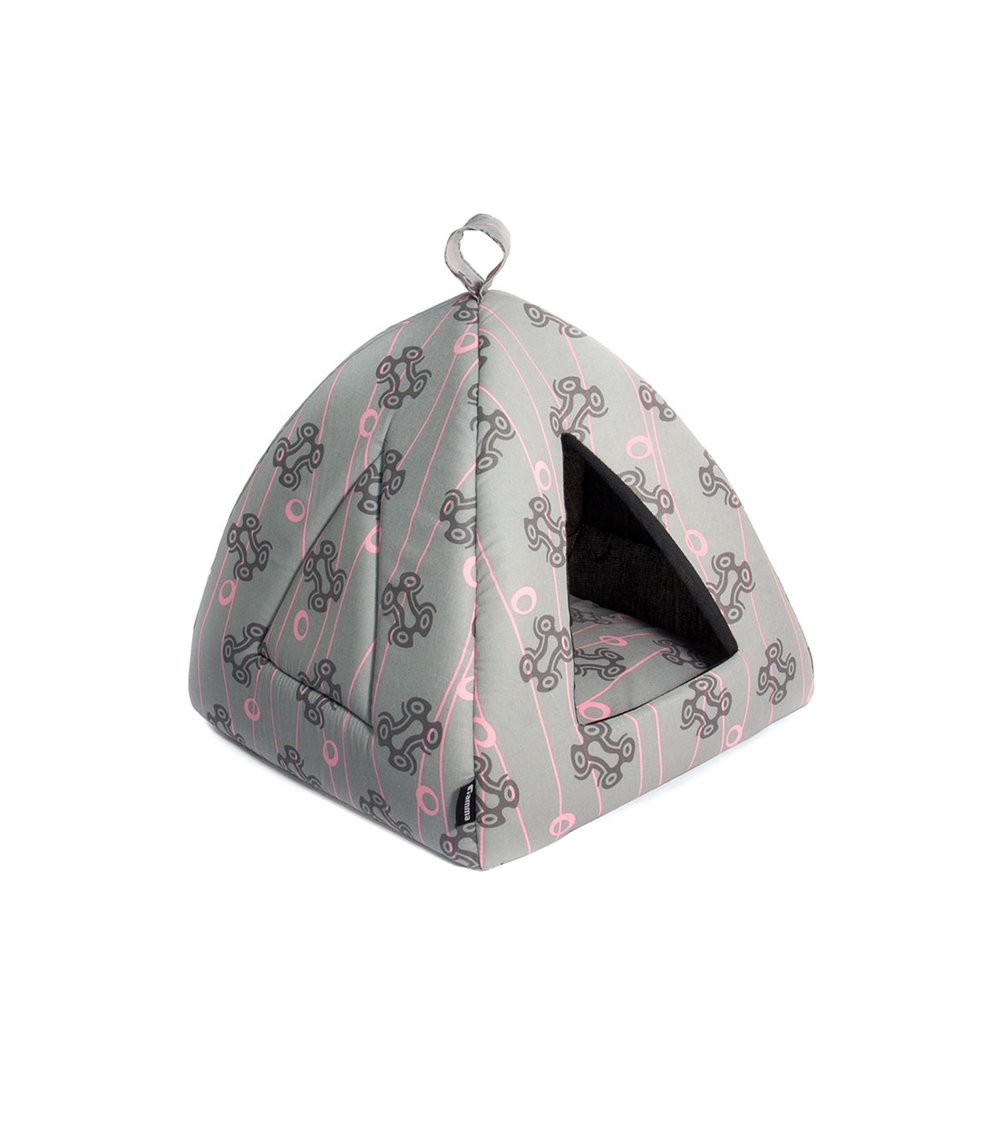
Choosing the right dog bed is one of the simplest ways to improve your dog’s comfort, sleep quality, and long-term joint health. Dogs sleep an average of 12 to 14 hours a day, and puppies and seniors often sleep even more. That means your pup will spend roughly half of its life on its bed. With so many styles, sizes, and materials on the market, it’s easy to feel overwhelmed. This guide walks you through everything you need to know to pick the perfect bed for your dog — from sizing and sleeping style to fill material and easy-clean covers.
Why the Right Dog Bed Matters
A well-chosen dog bed does far more than give your dog a soft spot to nap. It provides joint and pressure-point support, especially for large breeds and older dogs; insulates your dog from cold, hard floors; gives anxious or territorial dogs a safe, personal space of their own; and keeps fur, dander, and dirt contained in one washable spot instead of on your couch. Investing a little time up front pays off in better rest and a happier, healthier dog.
Measure Your Dog Before You Shop
The most common mistake dog owners make is buying a bed that’s too small. A bed should be large enough for your dog to stretch out fully without hanging off the edges.
How to Measure
- Measure your dog from the tip of the nose to the base of the tail while it’s lying in its natural sleeping position.
- Add 6 to 12 inches to that length to allow for stretching and shifting.
- For dogs that like to curl up tight, you can size down slightly, but err on the side of larger.
When in doubt, go up a size. A bed that’s slightly too big is almost always better than one that’s too small.
Match the Bed to Your Dog’s Sleeping Style
Watch how your dog sleeps, and let that guide your choice of shape.
The Curler
Dogs that curl into a tight ball often love bolster, donut, or cuddler beds with raised edges. These beds give them a cozy place to rest their head and a sense of security.
The Sprawler
Dogs that stretch out on their side or back do best with flat, rectangular mattress-style beds that offer plenty of room to spread out.
The Leaner
Dogs that like to prop themselves against something — a couch, a wall, or you — tend to prefer bolster beds or orthopedic beds with firm, supportive sides.
Choose the Right Fill and Support
The filling is the heart of the bed, and it determines how much support your dog gets.
Memory Foam and Orthopedic Beds
Memory foam and orthopedic beds are the gold standard for senior dogs, large breeds, and dogs with arthritis, hip dysplasia, or joint pain. The foam contours to your dog’s body and relieves pressure points. If your dog is older or heavy, prioritize a high-density or orthopedic foam bed.
Polyester Fiberfill
Fiberfill beds are soft, lightweight, and budget-friendly. They’re a good choice for young, healthy dogs and small breeds, though they flatten over time and offer less joint support.
Bolster and Cuddler Beds
Bolster beds combine a flat sleeping surface with raised, padded sides. They’re a favorite of dogs that like to rest their head on something and are ideal for both curlers and leaners.
Consider Your Dog’s Age and Health
A puppy’s needs are very different from a senior dog’s. Puppies benefit from durable, washable beds that can survive accidents and chewing, while senior dogs need maximum joint support and easy access — a low-profile bed is easier for an older dog to step into than a tall, plush one. If your dog has allergies, look for beds with washable, hypoallergenic covers that resist dust mites and dander.
Pick a Durable, Easy-to-Clean Cover
Your dog’s bed will get dirty. Look for a removable, machine-washable cover so you can keep it fresh without replacing the whole bed. Water-resistant or waterproof liners are a smart add-on for puppies, incontinent seniors, or dogs that drool. Durable fabrics like canvas, denim, or ripstop nylon stand up better to scratching and nesting than thin cotton.
Match the Bed to Your Home and Lifestyle
Think about where the bed will live. If it’s going in your living room, you may want a stylish bed that complements your decor. If it’s for a crate, measure the crate interior and choose a bed that fits snugly. If your dog travels with you or moves between rooms, consider a lightweight, portable bed that’s easy to carry and wash.
Common Mistakes to Avoid
- Buying too small. Always measure and size up when unsure.
- Ignoring washability. If the cover isn’t removable and machine-washable, it will become a chore to keep clean.
- Choosing looks over support. A cute bed that offers no support won’t help a large or senior dog.
- Skipping the waterproof liner. It’s cheap insurance against accidents and spills.
Frequently Asked Questions
How often should I replace my dog’s bed?
Most dog beds last one to three years, depending on quality and use. Replace the bed when the filling flattens, the cover tears, or it can no longer be cleaned properly.
Do dogs really need a bed, or can they sleep on the floor?
Dogs can sleep on the floor, but a bed provides insulation, cushioning, and joint support that hard floors can’t. It also gives your dog a designated space that can reduce anxiety and keep hair off your furniture.
What size bed should I get for a large breed?
Large breeds like Labradors, German Shepherds, and Golden Retrievers typically need an extra-large or giant bed — at least 42 to 48 inches long — so they can stretch out fully. Check the manufacturer’s size chart and measure your dog first.
Give Your Dog the Comfort It Deserves
The right bed is an investment in your dog’s health, comfort, and happiness. Take the time to measure your dog, watch how it sleeps, and choose a bed with the right fill, support, and washable cover. Whether you have a tiny puppy or a senior giant breed, there’s a perfect bed out there — and your dog will thank you with better sleep every night.
Explore our full collection of dog beds, crates, and everyday pet essentials at zzavik.com to find high-quality options for every breed, size, and budget.