
Indoor cats live safe, comfortable lives, but they miss out on the mental and physical stimulation that comes naturally to their outdoor cousins. Without enough enrichment, indoor cats can become bored, overweight, or even anxious. The right toys are essential for keeping your indoor cat happy, healthy, and engaged. Here are the best types of cat toys for indoor cats and how to choose ones your feline friend will actually love.
Why Indoor Cats Need Toys
Play is not a luxury for cats — it is a necessity. Regular play mimics the hunting behavior that is hardwired into every cat, satisfying their natural instincts to stalk, chase, pounce, and capture. Toys provide much-needed exercise that helps prevent obesity, and they offer mental stimulation that wards off boredom and the destructive behaviors that often come with it. For indoor cats especially, a good selection of toys is one of the best investments you can make in their well-being.
Interactive Toys for Bonding
Interactive toys, like wand toys and feather teasers, require you to participate in the game. They are fantastic for strengthening the bond between you and your cat while providing vigorous exercise. Spend ten to fifteen minutes a day playing with a wand toy, mimicking the movement of prey by darting, pausing, and hiding the toy around corners. End each session by letting your cat “catch” the toy so they feel a satisfying sense of success.
Solo Toys for Independent Play
Cats also need toys they can enjoy on their own while you are busy or away. Balls, crinkle toys, and small plush mice give your cat something to bat around and chase whenever the mood strikes. Rotate these toys regularly so they always feel new and exciting — a toy that disappears for a week often returns to instant enthusiasm.
Toys That Engage Multiple Senses
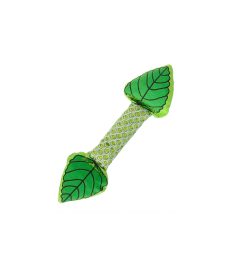
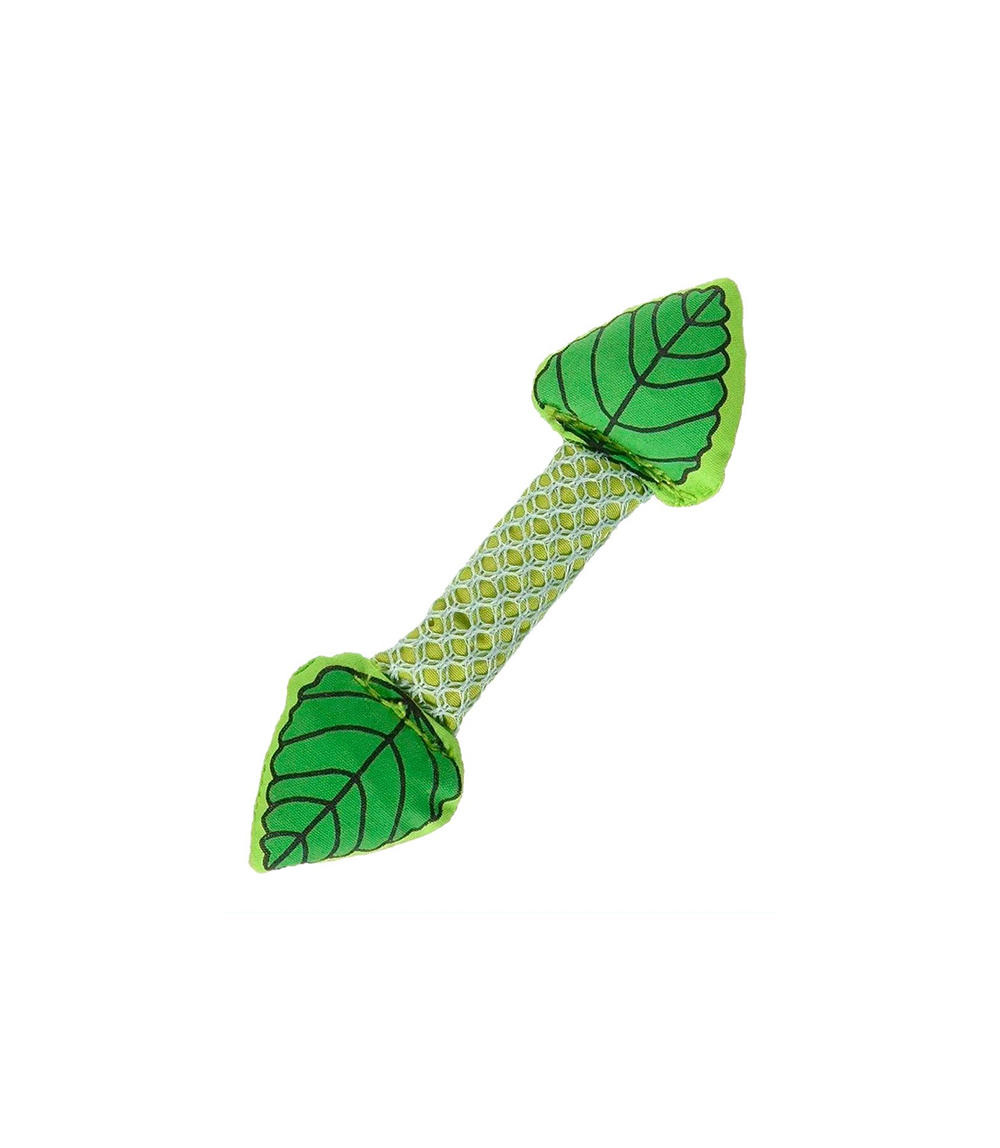
The most engaging toys appeal to more than one sense at a time. Look for toys that combine texture, sound, and even taste. For example, the Petstages Fresh Breath Mint Stick Cat Toy gives your cat something satisfying to chew and bat around while its minty freshness helps keep their breath clean. Multi-sensory toys like this are especially good at holding a cat’s attention for longer play sessions.
Puzzle Toys and Food Dispensers
Puzzle toys that dispense treats or kibble are a wonderful way to challenge your cat’s mind. They tap into your cat’s natural problem-solving abilities and slow down fast eaters. Start with a simple puzzle and gradually introduce more complex ones as your cat catches on. These toys are ideal for keeping indoor cats occupied when you are not home.
Catnip and Silvervine Toys
Many cats go wild for catnip, and catnip-stuffed toys can turn an ordinary play session into a celebration. If your cat does not respond to catnip, try silvervine, an alternative that appeals to a large percentage of cats that ignore catnip entirely. Just remember that not every cat responds to these herbs, so observe your cat’s reaction and offer a variety of toys.
Toys to Avoid
Always prioritize safety when choosing toys. Avoid anything with small parts that could break off and be swallowed, and skip string, yarn, or ribbon that can cause serious intestinal problems if ingested. Supervise play with any toy that has dangling parts, and replace toys that become worn or damaged.
Frequently Asked Questions
How much playtime does an indoor cat need?
Most indoor cats benefit from at least two or three short play sessions of ten to fifteen minutes each day. Younger cats and high-energy breeds may need even more.
How do I get my cat interested in new toys?
Introduce toys gradually, use catnip or treats to create positive associations, and move the toy in ways that mimic prey. Some cats simply have strong preferences, so offer a variety of toy types.
Are laser pointers good for cats?
Laser pointers can provide great exercise, but always end the session by directing the light onto a physical toy your cat can “catch,” so they do not become frustrated by the unattainable dot.
How often should I rotate my cat’s toys?
Rotate toys weekly to keep them feeling fresh. Leave a few favorites out at all times and swap the rest in and out of storage.
Final Thoughts
Indoor cats depend on their owners to provide the stimulation they would otherwise find outdoors. With a thoughtful mix of interactive, solo, puzzle, and sensory toys, you can keep your indoor cat active, engaged, and genuinely happy every single day.