
Regular grooming is about far more than keeping your dog looking good. It keeps their coat healthy, reduces shedding around your home, and gives you a chance to check for skin issues, lumps, or parasites. While professional groomers are wonderful, learning to groom your dog at home saves money and strengthens your bond. This guide covers everything you need to know to groom your dog safely and effectively from the comfort of your living room.
Why Home Grooming Is Worth It
Grooming at home helps your dog get used to being handled, which makes vet visits and professional grooming sessions much easier down the road. It also allows you to groom on your own schedule, so your dog never has to wait with mats or overgrown nails. Best of all, regular at-home care means fewer expensive appointments and a healthier, happier coat year-round.
Gather the Right Tools First
Before you begin, make sure you have the essentials on hand: a brush or grooming gloves suited to your dog’s coat type, a comb, dog-safe shampoo, towels, and nail clippers or a grinder. Having everything within reach keeps the session calm and prevents your dog from getting restless while you hunt for supplies.
Brushing: The Foundation of Grooming
Brushing is the most important part of home grooming, and it should be done regularly regardless of coat length. It removes loose hair, prevents mats and tangles, distributes natural oils, and stimulates blood flow to the skin. How often you brush depends on your dog’s coat: short-haired dogs benefit from weekly brushing, while long-haired and double-coated breeds may need daily attention.
Choosing the Right Brush
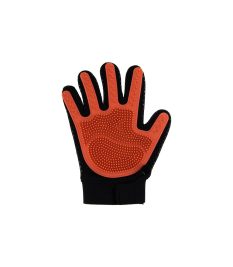
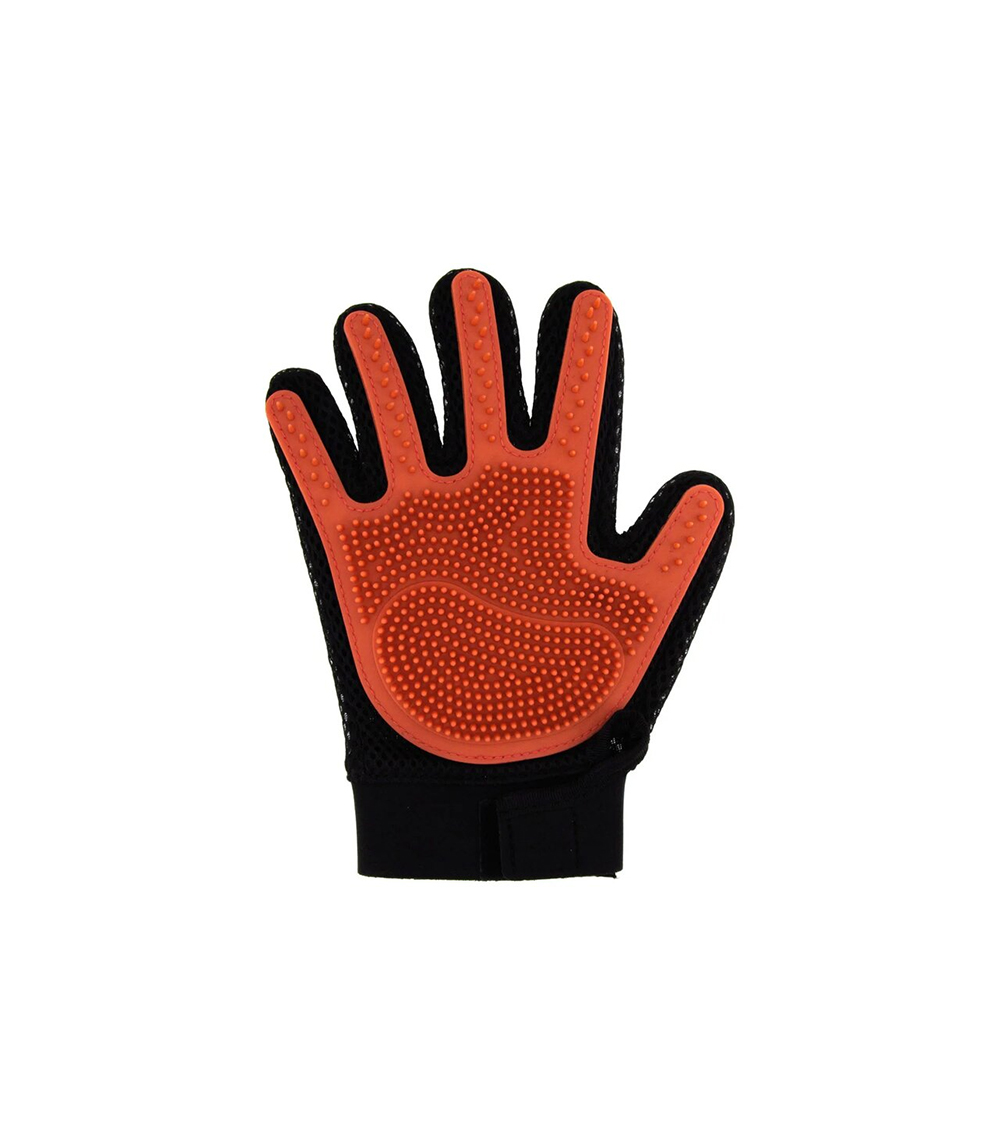
For most dogs, a two-step approach works best. Start with a gentle deshedding tool or grooming gloves to loosen and lift loose fur, then finish with a brush or comb to smooth the coat. Raw Paws Pet Grooming Gloves are a fantastic option for dogs that are nervous about traditional brushes, because they feel like a massage while effectively removing loose hair.
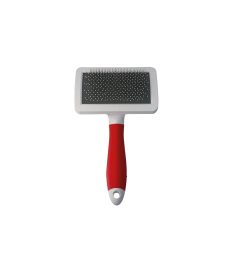
For a more thorough finish, a sturdy stainless steel brush such as the Emily Pets Plastic Paw Print Handle Stainless Steel Brush glides through the coat to remove tangles and leave fur looking sleek and healthy.
Bathing Your Dog at Home
Bathing keeps your dog’s skin and coat clean, but too-frequent baths can strip natural oils and cause dryness. Most dogs do well with a bath every four to six weeks, though active dogs that love to roll in the mud may need more frequent washes. Always use a shampoo formulated specifically for dogs, since human shampoo can irritate their skin.
Step-by-Step Bathing
- Brush first. Remove tangles before the bath, since water tightens mats and makes them harder to remove.
- Use lukewarm water. Test the temperature before wetting your dog thoroughly from the neck down.
- Lather gently. Work the shampoo into the coat and down to the skin, avoiding the eyes and ears.
- Rinse completely. Leftover shampoo can cause itching and flaking, so rinse until the water runs clear.
- Dry thoroughly. Towel dry first, then allow your dog to air dry or use a low-heat dryer if they tolerate it.
Nail Care and Paw Maintenance
Overgrown nails can cause pain and affect your dog’s gait, so regular trimming is essential. If you can hear your dog’s nails clicking on hard floors, it is time for a trim. If you are new to nail trimming, trim tiny amounts at a time and keep styptic powder nearby in case you cut the quick. Finish by checking the paw pads for cracks, cuts, or foreign objects like burrs and small stones.
Ears, Eyes, and Teeth
Grooming is a great time to check your dog’s ears, eyes, and teeth. Look for redness, discharge, or unusual odors in the ears, and gently wipe the outer ear with a vet-approved cleaner. Wipe away any eye discharge with a soft, damp cloth. Finally, brush your dog’s teeth regularly and offer dental chews to keep their mouth healthy between cleanings.
Frequently Asked Questions
How often should I groom my dog at home?
Brush short-haired dogs weekly and long-haired breeds daily. Bathe most dogs every four to six weeks, trim nails every two to four weeks, and check ears and teeth weekly.
What if my dog hates being groomed?
Start slow with short, positive sessions and lots of treats. Grooming gloves can feel less intimidating than brushes for nervous dogs. Gradually build up the length of each session as your dog becomes more comfortable.
Can I use human shampoo on my dog?
No. Human shampoo has a different pH balance and can dry out or irritate your dog’s skin. Always use a shampoo made specifically for dogs.
How do I prevent mats in long-haired dogs?
Daily brushing is the best defense against mats. Pay special attention to areas prone to tangling, such as behind the ears, under the legs, and around the collar.
Final Thoughts
Grooming your dog at home is a rewarding routine that keeps your pup healthy, comfortable, and looking their best. With the right tools, a calm environment, and plenty of positive reinforcement, grooming can become a bonding experience you both look forward to.