
Few things are more frustrating than finding a puddle on your carpet — especially when your dog is already house trained. Whether you have a new puppy or an adult dog that has suddenly started having accidents indoors, the good news is that this is a fixable problem.
In this guide, we will walk you through why dogs pee inside, and give you a step-by-step plan to stop it for good.
Why Is Your Dog Peeing in the House?
Before you can fix the problem, you need to understand the cause. Dogs rarely pee indoors out of spite — there is almost always an underlying reason. The most common causes include:
- Incomplete house training — especially common in puppies and newly adopted dogs.
- Medical issues — urinary tract infections, kidney disease, or diabetes can all cause accidents.
- Marking behavior — some dogs, especially unneutered males, mark territory indoors.
- Anxiety or stress — separation anxiety, loud noises, or a change in routine can trigger accidents.
- Age-related issues — senior dogs may lose bladder control or can’t hold it as long.
If your dog has suddenly started peeing indoors after years of good behavior, your first step should always be a visit to the vet to rule out a medical cause.
Step-by-Step Plan to Stop Indoor Peeing
1. Establish a Consistent Routine
Dogs thrive on routine. Take your dog outside at the same times every day — first thing in the morning, after meals, after naps, and right before bed. Puppies typically need to go out every 1-2 hours, while adult dogs can usually hold it for 6-8 hours.
2. Use a Location Habituation Spray
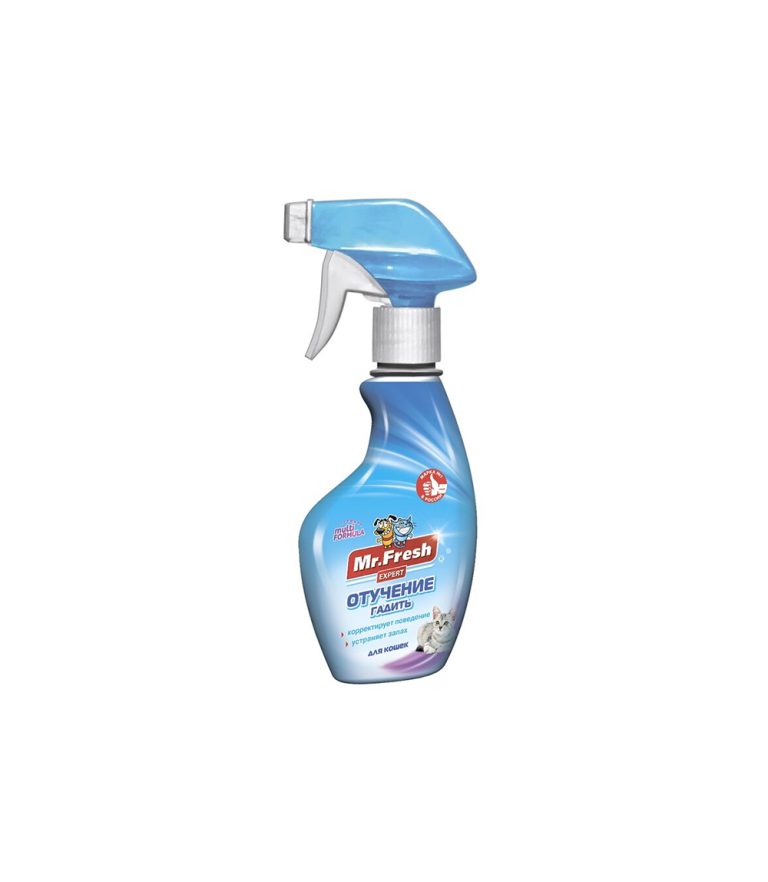
One of the most effective tools for house training is a location habituation spray. These sprays use scents that naturally encourage your dog to relieve themselves in a specific spot, making potty training faster and more consistent.
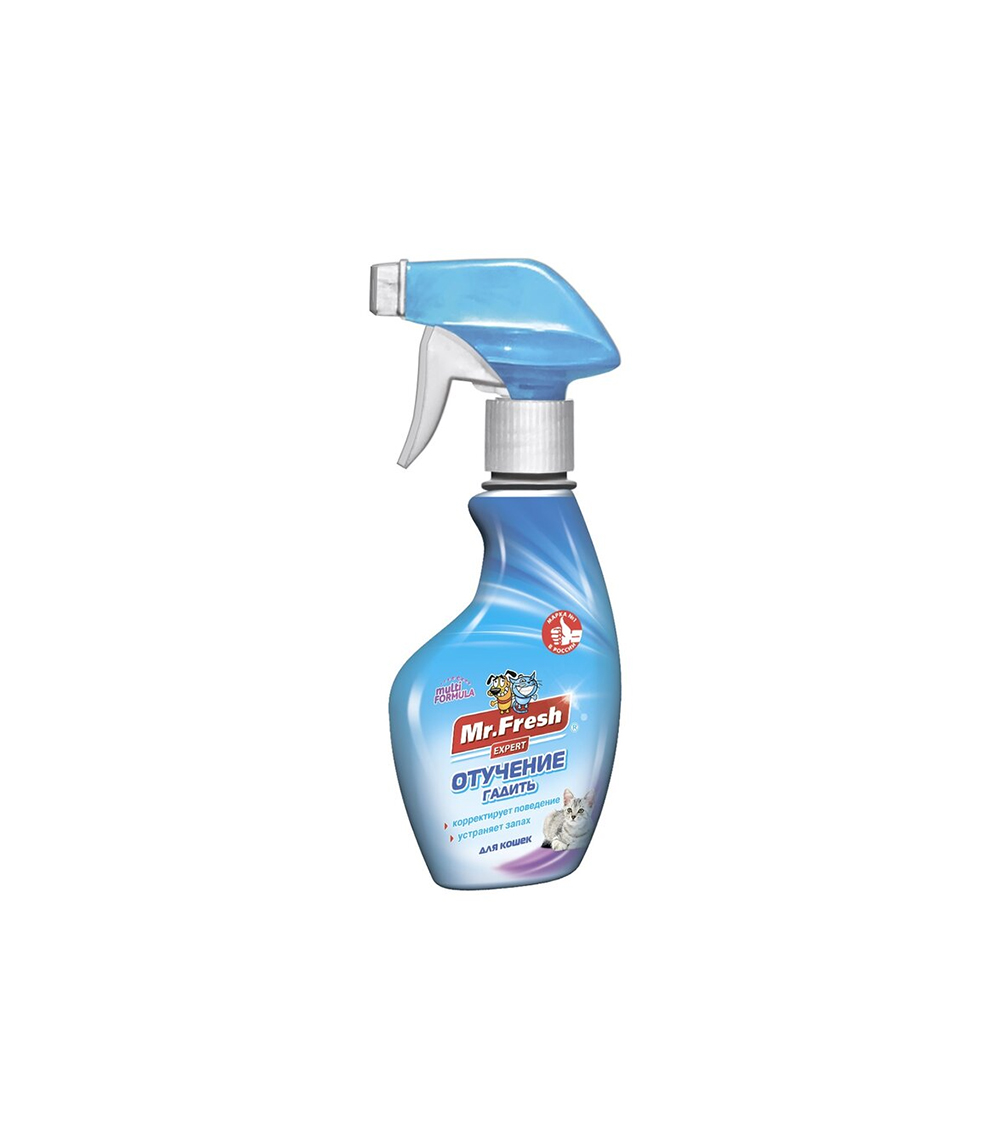
We recommend the Mr. Fresh Expert Dog Location Habituation Spray — it is easy to use, safe for puppies and adult dogs, and helps your dog understand exactly where to go.
3. Clean Accidents Thoroughly
Dogs have an incredible sense of smell. If even a trace of urine smell remains on your floor, your dog will be drawn back to the same spot. Use an enzymatic cleaner specifically designed for pet urine — regular household cleaners won’t break down the proteins that keep the smell lingering.
4. Reward the Right Behavior
Positive reinforcement works far better than punishment. When your dog goes potty outside, praise them enthusiastically and offer a treat immediately. This teaches them that going outside leads to good things.
5. Supervise and Confine
When you can’t watch your dog, confine them to a crate or a small, dog-proofed area. Dogs instinctively avoid soiling their sleeping space, which helps build bladder control. Never use the crate as punishment.
6. Address Anxiety if Needed
If your dog’s accidents are stress-related, work on reducing the source of anxiety. Create a calm environment, stick to a predictable schedule, and consider calming aids or consulting a trainer for severe separation anxiety.
Frequently Asked Questions
How long does it take to house train a dog?
Most puppies take 4 to 6 months to be fully house trained, though some learn faster. Adult dogs can often be retrained in a few weeks with consistency.
Should I punish my dog for peeing inside?
No. Punishment after the fact does not work and can actually make the problem worse by increasing anxiety. Focus on rewarding the behavior you want instead.
Final Thoughts
Stopping your dog from peeing in the house takes patience and consistency, but it is absolutely achievable. Stick to a routine, use the right tools like a location habituation spray, and reward good behavior — and those accidents will soon be a thing of the past.
Looking for more pet care tips and quality products? Browse our full range of pet supplies at Zzavik.