
If you share your home with a cat, you have almost certainly stepped on a hairball at some point. While hairballs are a normal part of cat ownership, frequent hairballs can be uncomfortable for your cat and a sign that something needs attention.
In this guide, we will explain why cats get hairballs, how to reduce them, and the products that actually help. We will also cover the warning signs that separate a routine hairball from a potentially serious problem, so you know exactly when to worry and when to relax.
What Is a Cat Hairball?
Despite the name, a hairball is rarely round. Cats groom themselves constantly, and their rough tongues pull loose fur into their mouths. Most of that fur passes harmlessly through the digestive system. But when too much fur builds up in the stomach, the cat vomits it up as a wet, tube-shaped mass — the classic “hairball.”
The medical term for a hairball is a trichobezoar. It forms because the backward-facing barbs on a cat’s tongue, called papillae, are designed to catch loose hair during grooming. Unlike the fur you brush off your own head, that hair has nowhere to go but down the throat, and most of it eventually travels through the digestive tract and out in the stool. Problems arise when more hair goes in than the system can move out.
Why Do Cats Get Hairballs?
Every cat swallows some fur while grooming, but certain factors make hairballs far more frequent:
- Excessive grooming — long-haired breeds like Persians and Maine Coons are more prone.
- Shedding season — hairballs are more common in spring and fall when cats shed heavily.
- Skin irritation or allergies — cats may over-groom itchy skin, swallowing more fur.
- Boredom or stress — some cats groom excessively as a coping behavior.
Understanding which of these factors applies to your cat matters, because the fix is different in each case. A cat that over-grooms because of fleas needs flea treatment; a cat that over-grooms because of boredom needs more playtime and enrichment. Simply adding a hairball remedy treats the symptom without addressing the root cause.
How to Tell If Grooming Has Become a Problem
Grooming is normal and healthy — most cats spend between 30% and 50% of their waking hours grooming. The red flag is over-grooming, which is grooming so frequent or so intense that it leads to hair loss, bald patches, or irritated skin. Watch for these signs:
- Bald spots, especially on the belly, inner thighs, or flanks.
- Red, raw, or scabbed skin.
- Grooming that interrupts play, eating, or sleeping.
- Pulling out tufts of fur while grooming.
If you notice any of these, a vet visit is the right next step. Over-grooming can stem from allergies, parasites, pain, or anxiety, and each requires a different treatment.
How to Reduce and Prevent Hairballs
The good news is that hairballs are highly manageable with a few consistent habits. Here are the most effective strategies, from the single most important one down.
1. Brush Your Cat Regularly
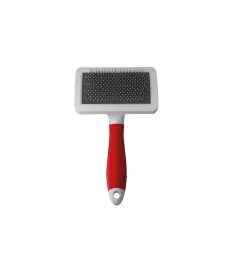
The single most effective thing you can do is brush your cat daily (or at least several times a week). Removing loose fur with a brush means less fur ends up in your cat’s stomach. A gentle grooming session also mimics social grooming and strengthens your bond.
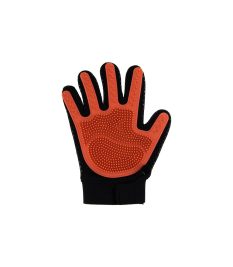
Choose a brush suited to your cat’s coat. Short-haired cats do well with a soft-bristle brush or rubber grooming mitt, while long-haired cats benefit from a wide-toothed comb to work through tangles and a slicker brush to lift loose undercoat. Always brush in the direction the fur grows, and keep early sessions short and positive so your cat learns to enjoy them.
2. Use a Hairball Remedy
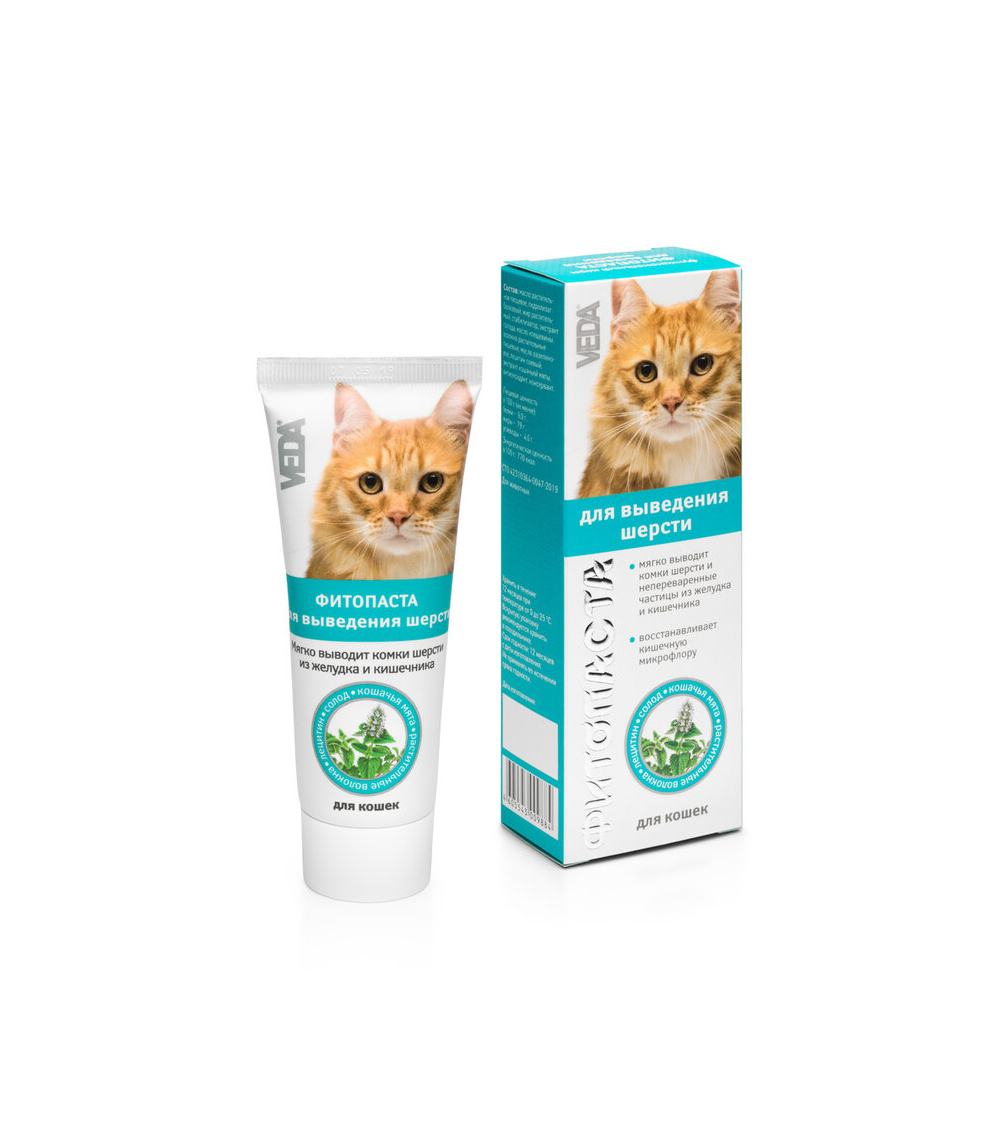
Hairball remedies are flavored gels or pastes that lubricate the digestive tract, helping swallowed fur pass through instead of building up in the stomach. Most cats love the taste, making them easy to administer.
We recommend the Hartz Hairball Remedy Plus Salmon Flavored Paste — a tasty daily supplement that helps prevent and eliminate hairballs. You can offer it directly from your finger, on a paw for your cat to lick off, or mixed into a small amount of food. For best results, give it consistently according to the label directions rather than only when you see a hairball.
3. Feed a High-Quality Diet
A balanced diet supports healthy skin and a healthy coat, which reduces shedding in the first place. Look for foods with quality protein and omega fatty acids, and make sure your cat has plenty of fresh water to keep digestion moving.
Omega-3 and omega-6 fatty acids are especially valuable because they keep the skin hydrated and the coat healthy, reducing the amount of loose fur your cat sheds and swallows. Many premium cat foods list fish oil or flaxseed among their ingredients — both are excellent sources.
4. Provide Fiber and Cat Grass
Adding a small amount of fiber to your cat’s diet can help move fur through the digestive tract. Many cats also enjoy nibbling cat grass, which provides natural roughage and can aid digestion.
Some specially formulated “hairball control” diets contain added fiber, such as cellulose or psyllium, that helps sweep swallowed fur through the intestines. If you are thinking about adding fiber, check with your vet first, since the right amount depends on your cat’s overall diet and health.
5. Keep Your Cat Active and Entertained
Boredom grooming is a real thing. Provide toys, scratching posts, and playtime to keep your cat mentally stimulated and reduce stress-related over-grooming.
Even ten to fifteen minutes of interactive play twice a day — with a wand toy, a laser pointer, or a puzzle feeder — can significantly reduce boredom-related grooming. Rotate toys regularly so they stay interesting, and provide vertical spaces like cat trees and window perches where your cat can watch the world go by.
Understanding Your Cat’s Shedding Cycle
Cats do not shed at a constant rate all year long. Most cats go through two heavier shedding periods each year — once in the spring as they lose their winter coat, and again in the fall as they prepare to grow a thicker winter coat. Indoor cats, however, are exposed to artificial light and steady temperatures, which can flatten this natural cycle and cause them to shed more consistently throughout the year.
During peak shedding season, step up your brushing routine to daily sessions and consider adding a hairball remedy proactively rather than waiting for the first hairball to appear. A little extra attention for a few weeks in spring and fall can prevent a lot of hairballs and keep your furniture and carpets noticeably cleaner.
A Simple Daily and Weekly Routine
Consistency is what turns hairball prevention from a chore into a habit. A simple routine keeps you on track without much effort:
- Daily: a short brushing session, a few minutes of play, and fresh water.
- Two to three times a week: a longer grooming session with a comb to work through tangles and lift loose undercoat.
- Weekly: check your cat’s skin and coat for bald spots, flakes, or irritation, and give the hairball remedy according to label directions.
You do not need to turn grooming into a marathon. Five minutes of consistent daily brushing removes far more loose fur than one long session a month, and it is much easier on both you and your cat.
Grooming Tools That Help
The right tools make brushing faster and more effective. A rubber grooming mitt or soft-bristle brush works well for short-haired cats, while long-haired cats benefit from a slicker brush and a wide-toothed comb. Deshedding tools can be useful during heavy shedding season, but use them gently, since they can irritate the skin if pressed too hard or used on the same spot repeatedly.
Whichever tool you choose, the goal is the same: capture loose fur in the brush so it never reaches your cat’s stomach. Keep your grooming tools clean, and replace brushes when the bristles start to bend or wear down, since worn tools are less effective and less comfortable.
How to Brush Your Cat Step by Step
If your cat is new to brushing, a gentle, predictable approach helps them learn to enjoy it. Follow these steps:
- Start calm. Choose a quiet time when your cat is relaxed, and let them sniff the brush first.
- Go short and sweet. Begin with just a minute or two of gentle strokes along the back and sides, where most cats enjoy being touched.
- Use light pressure. Let the brush glide over the coat rather than pressing down, and avoid the belly and tail at first, since many cats are sensitive there.
- Reward generously. End each session with a treat or a little play so your cat associates brushing with good things.
- Build up gradually. Over a week or two, slowly increase the length of sessions and work up to areas like the chest and behind the ears.
Never force a struggling cat to sit through a brushing session. A few pleasant minutes a day will remove more fur over time than one stressful fight, and your cat will actually start looking forward to grooming.
Seasonal and Environmental Factors
A few environmental factors can quietly make hairballs worse. Dry indoor air, common in winter, can dry out your cat’s skin and increase shedding. Running a humidifier helps keep skin and coat hydrated. Stress from changes like a move, a new pet, or a new family member can also trigger over-grooming, so pay extra attention during transitions. Finally, make sure your cat always has access to fresh, clean water — proper hydration keeps the digestive system moving and helps swallowed fur pass through smoothly. Many cats prefer running water, so a pet water fountain can be a worthwhile investment for cats that do not drink enough from a bowl.
When to See a Vet
Occasional hairballs are normal, but contact your vet if your cat shows any of these signs:
- Frequent vomiting or retching without producing a hairball.
- Loss of appetite or weight loss.
- Lethargy or constipation.
- A swollen or painful abdomen.
These can be signs of an intestinal blockage, which requires immediate veterinary care. A hairball that passes from the stomach into the intestines and gets stuck can be life-threatening if not treated, so never dismiss repeated retching as “just another hairball.”
Hairballs vs. Vomiting: Know the Difference
It is worth distinguishing a true hairball from ordinary vomiting, because they are handled differently. A hairball is usually a wet, tube-shaped mass of fur with little food in it, and your cat will seem fine immediately afterward. Regular vomiting, by contrast, often brings up partially digested food or bile, and your cat may look unwell. If your cat is vomiting food or liquid repeatedly — with or without fur — treat it as a digestive issue and contact your vet, especially if it happens more than occasionally. What looks like a hairball problem is sometimes actually an upset stomach, and the two need different solutions.
Choosing the Right Hairball Remedy
Not all hairball remedies are the same, so it helps to know what you are buying. Most are petroleum-based or fiber-based gels that coat swallowed fur and help it slide through the digestive tract. Look for a product with a flavor your cat enjoys, since the best remedy is useless if your cat refuses to eat it. Follow the label directions and be consistent — hairball remedies work preventively, not as a one-time fix. If you are unsure which product is right for your cat, ask your vet for a recommendation based on your cat’s age, coat, and overall health.
Final Thoughts
Hairballs are a fact of life for cat owners, but they don’t have to be a constant problem. Regular brushing, a good diet, and a quality hairball remedy can dramatically reduce them — keeping both your cat and your carpets happier.
Find everything your cat needs at Zzavik, from hairball remedies to litter boxes and toys.
Frequently Asked Questions
How often do cats get hairballs?
Occasional hairballs (about once a week or less) are normal. More frequent hairballs may need attention from a vet.
Can I prevent hairballs completely?
You can greatly reduce them with regular brushing, a quality diet, and a hairball remedy, though some cats will still have occasional hairballs.
Are hairballs dangerous?
Occasional hairballs are normal, but frequent retching without producing one can signal a blockage — see your vet.
Why does my cat retch but no hairball comes up?
This can be a sign that a hairball (or something else) is stuck, or that your cat has an underlying issue such as asthma or gastrointestinal irritation. Repeated unproductive retching is a good reason to call your vet.
Do short-haired cats get fewer hairballs?
Short-haired cats typically shed less and may produce fewer hairballs than long-haired breeds, but they still swallow fur while grooming and can develop hairballs, especially during shedding season.