
Cats are famously champion sleepers. Depending on age and activity level, the average house cat snoozes anywhere from 12 to 16 hours a day, and some seniors easily push past 20. When that much of a creature’s life is spent curled up in one spot, the question of where they sleep stops being a small detail and becomes one of the most important purchasing decisions you can make as a cat parent. A genuinely great cat bed does far more than hand your kitty a soft place to land. It supports aging joints, lowers anxiety, keeps your cat warm in the winter and comfortably cool in the summer, and gives your feline a safe, familiar territory that belongs to them alone. But walk into any pet store — or scroll through an online shop like zzavik.com — and you will quickly discover there are dozens of styles competing for your attention. This guide breaks down the best cat beds for cozy naps, what makes each style shine, and how to choose the perfect one for your cat’s unique personality, age, and sleeping habits.
Why a Dedicated Cat Bed Matters
It is tempting to assume your cat will happily sleep anywhere — and to be fair, many cats will. But there is a real difference between a cat that merely tolerates napping on the back of the couch and a cat that has a bed designed around its comfort and sense of security. Cats are territorial animals that thrive on routine and predictability. A dedicated bed provides a consistent, familiar spot that smells like them, which in turn reduces stress and makes your cat feel safe in your home.
There are practical benefits for you as well. A well-chosen bed gives your cat an appealing alternative to your keyboard, your freshly folded laundry, or the exact center of your pillow. It also helps contain shedding hair, dander, and dirt in one washable location instead of spreading them across every surface in the house. Here is what a quality cat bed delivers:
- Joint and muscle support — especially important for senior cats, large breeds like Maine Coons, and cats recovering from injury.
- Warmth and insulation — cats have a higher natural body temperature than humans and crave cozy, heat-trapping spots.
- A sense of security — enclosed or bolstered beds mimic the den-like hiding spots cats instinctively seek.
- Reduced stress and anxiety — a predictable resting place helps nervous cats feel grounded.
- Cleaner home — a washable bed contains fur, dander, and dirt in one easy-to-clean spot.
The Most Popular Types of Cat Beds
Not all cat beds are created equal, and the “best” bed for your cat depends heavily on how your cat likes to sleep. Understanding the main categories will help you shop with confidence. Here are the most popular styles and who they work best for.
Donut and Bolster Beds
Donut beds — also called bolster or cuddler beds — feature a raised, padded rim surrounding a soft center. This is arguably the most universally loved cat bed style because it supports two of the most common cat sleeping positions: curled up in a tight ball and stretched out with a head resting on the raised edge. The raised rim gives cats a sense of being hugged, which is deeply comforting to many felines. These beds are an excellent default choice for cats who love to curl into a circle, and they work well for kittens, adults, and seniors alike.
Cave and Hooded Beds
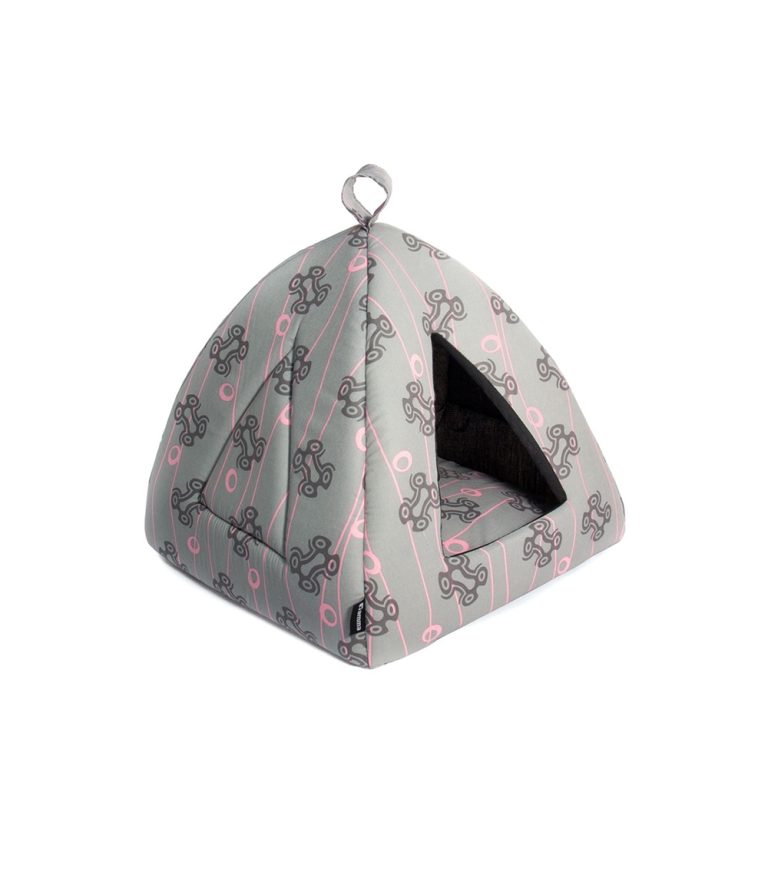
Cave beds are fully or partially enclosed, giving your cat a dark, den-like hideaway. If your cat tends to hide under the bed, behind the couch, or inside boxes, a cave bed is almost certainly the right call. The enclosed design traps body heat and muffles noise, making it ideal for shy or anxious cats, multi-pet households, and homes with a lot of foot traffic. Many cave beds are made from felted wool, plush fabric, or rigid shells lined with soft padding, and most are collapsible and machine washable.
Heated and Self-Warming Beds
Heated cat beds use a low-wattage electric pad to provide gentle, consistent warmth, while self-warming beds use layers of reflective material to bounce your cat’s own body heat back toward them — no electricity required. Both are fantastic options for senior cats with arthritis, hairless breeds like the Sphynx, short-haired cats in cold climates, and any cat that is always hunting for the warmest sunbeam in the house. Electric heated beds should always be paired with a thermostat and a chew-resistant cord, and you should never leave them plugged in unattended for long stretches. Self-warming beds are the safer, zero-maintenance alternative and still deliver noticeable warmth.
Orthopedic and Memory Foam Beds
Orthopedic cat beds are built with supportive foam — often memory foam — that distributes weight evenly and relieves pressure on joints. For an older cat dealing with arthritis, hip dysplasia, or general stiffness, a supportive bed can genuinely improve quality of life and even sleep quality. These beds tend to be flatter and firmer than donut beds, which makes them easier for cats with limited mobility to step into and out of. If you have a senior cat, a recovering cat, or a large heavy breed, an orthopedic bed is one of the kindest investments you can make.
Window Perches and Hammocks
Window perches attach to the glass or the windowsill and give your cat a front-row seat to the outside world — birds, squirrels, passing cars, and warm sun. Many cats consider a sunny window perch the single best spot in the house. Hammock-style perches, which suspend a fabric bed between a sturdy frame, are also popular because they lift cats off cold floors and allow air to circulate underneath, which helps cats stay cool in summer. If your cat spends hours staring out the window, a perch doubles as enrichment and a cozy nap spot in one.
Cat Tree and Multi-Level Beds
Cat trees often include built-in sleeping platforms, hammocks, and enclosed cubbies at various heights. Cats love height because it gives them a vantage point and a feeling of safety. If your cat prefers sleeping up high — on top of the fridge, a bookshelf, or the highest point of the couch — a cat tree with a padded top perch may be the answer. These multi-level structures also scratch the climbing instinct and provide exercise, making them a strong pick for active, playful cats in homes where floor space is at a premium.
Mats, Pads, and Cushions
Simple flat mats and cushions are the most versatile and budget-friendly option. They can be placed in carriers, on chairs, inside crates, on window ledges, or even layered inside another bed for extra cushioning. While they do not offer the same enclosed security as a cave or the support of an orthopedic bed, they are easy to wash, easy to move, and inexpensive enough to scatter in several rooms. Many cat parents keep a few lightweight mats on hand so there is always a familiar, clean resting spot no matter where the cat wanders.
How to Choose the Best Cat Bed for Your Cat
With the main styles in mind, the next step is matching a bed to your cat. A bed that works beautifully for one cat may be completely ignored by another, so it pays to think through a handful of factors before you buy.
Match the Bed to Your Cat’s Sleeping Style
The single most useful question you can ask is: how does my cat actually sleep? Watch your cat over a few days and notice their default positions. If they curl into a tight ball, a donut or bolster bed will feel the most natural. If they sprawl out flat on their side or back, look for a wide, open cushion or orthopedic bed with plenty of surface area. If they burrow under blankets or hide in boxes, a cave or hooded bed is the winner. If they perch on high surfaces, consider a window perch or a cat tree with a padded platform. Choosing a bed that mirrors a position your cat already uses dramatically increases the odds they will actually use it.
Consider Your Cat’s Age and Health
Age changes everything. Kittens need a bed that is easy to get in and out of, machine washable, and soft enough for a growing body. Adult cats are usually happy with any style that matches their sleeping habits. Senior cats, however, deserve special attention. Look for low-profile, easy-entry beds that do not require a big step up or a high rim to climb over. Orthopedic foam, gentle warmth, and a washable, waterproof liner for the occasional accident are all thoughtful features for an older cat. If your cat has arthritis or is recovering from surgery, skip tall bolsters and caves and prioritize support and accessibility.
Size and Shape
A bed that is too small will be ignored or, worse, cramped enough to discourage use. Measure your cat from nose to tail while they are stretched out, then choose a bed that is at least that long and wide. Most cats appreciate a little room to stretch, so when in doubt, size up. At the same time, avoid a bed so large that it feels open and exposed — cats generally prefer a cozy fit over a cavernous one. A good rule of thumb is that the bed should let your cat curl up snugly while still allowing room to stretch out fully.
Materials and Safety
Cats are sensitive to texture, and the feel of a fabric can make or break a bed. Soft fleece, plush faux fur, and cozy sherpa are perennial favorites because they mimic the warmth and texture of a mother cat’s fur. Shy away from loosely woven fabrics that can snag claws, and avoid anything with dangling beads, small buttons, or loose trim that could be chewed off and swallowed. If you choose an electric heated bed, confirm it is certified safe, uses low voltage, and has a protected, chew-resistant cord. For cats that like to knead and “bake biscuits,” a durable, tightly stitched surface will hold up far longer than delicate fabric.
Washability
Cat beds collect fur, dander, dirt, and the occasional hairball or accident, so easy cleaning is non-negotiable. Look for beds with a removable, machine-washable cover — ideally one you can toss in the wash on a gentle cycle and air dry. Beds with a waterproof liner are a bonus for kittens, seniors, and cats prone to accidents. If a bed cannot be machine washed, check that the outer surface can at least be spot-cleaned or wiped down. A bed you cannot keep clean will quickly become a bed your cat avoids.
Placement and Territory
Cats are territorial, and a bed placed in a cold, drafty, high-traffic corner will almost certainly go unused. Think about where your cat already likes to relax — near a sunny window, in a quiet corner, close to where the family gathers — and put the bed there. Many cat parents find success with more than one bed: one in the main living area for daytime naps and socializing, and one in a quiet bedroom or closet for deep, undisturbed sleep. If you have multiple cats, provide at least one bed per cat plus one extra to reduce competition.
Budget and Durability
Cat beds range from a few dollars for a simple mat to premium prices for orthopedic, heated, or designer options. The good news is that a higher price does not always mean a happier cat — the most important factors are fit, texture, and placement. That said, it is often worth spending a little more for durable materials and a washable cover, since a cheap bed that falls apart in three months ends up costing more in the long run. Invest in quality where it matters most: support for seniors, safety for heated beds, and washability for everyday use.
What to Look for in Materials
Because cats spend so much time in contact with their beds, the materials you choose matter for both comfort and safety. Prioritize soft, breathable, non-toxic fabrics that feel good against fur and skin. Fleece and sherpa are warm and cozy but can trap heat, so in warmer climates consider breathable cotton or cooling fabrics for summer. For the fill, high-loft polyester is soft and inexpensive, while memory foam offers superior support for aging joints. If your cat is a kneader, look for tightly woven, snag-resistant covers. Avoid beds with strong chemical odors, which can deter cats and may indicate low-quality materials, and always check that any removable cover is machine washable. For senior cats and kittens, a waterproof liner is one of the smartest upgrades you can make.
Where to Place Your Cat’s Bed
Placement is half the battle, and a perfectly good bed in the wrong location will sit unused. Start by observing the spots your cat already chooses on their own — those are the locations your cat has voted for with their paws. Cats generally prefer spots that are warm, elevated or partially sheltered, and away from loud appliances and heavy foot traffic. A sunny windowsill, the corner of a quiet bedroom, or a shelf near a heat register are all classic winners. Avoid placing the bed next to the litter box, next to a noisy washing machine, or directly in a cold draft. If your cat is anxious, tuck the bed into a low-traffic nook where they can observe the room without feeling exposed. If they are social, place it near the family’s main gathering area so they can nap while staying close to their people. Remember that you can always move the bed — if your cat ignores it for a week or two, try a different location before giving up on the bed itself.
Cleaning and Caring for Your Cat’s Bed
A clean bed is a bed your cat will keep using. Aim to wash the cover every one to two weeks, or more often if your cat sheds heavily or has accidents. Always follow the manufacturer’s care instructions, but a gentle cycle with mild, unscented detergent and a cool or air dry is generally safe. Avoid heavily scented detergents and fabric softeners, which can irritate a cat’s sensitive nose and skin. Between washes, a lint roller or a quick vacuum keeps surface fur under control. To preserve your cat’s scent — an important part of why they love their bed — avoid over-washing and never strip away all the familiar smells at once. If your cat has fleas, wash the bed in hot water and treat your home at the same time to prevent reinfestation.
Signs It’s Time to Replace Your Cat’s Bed
Even the best cat bed does not last forever. Over time, the fill flattens, the fabric wears thin, and the bed loses both its comfort and its ability to be properly cleaned. Watch for these signs that it is time for a new bed:
- Flattened or lumpy fill that no longer provides cushioning or support.
- Persistent odors that survive even after washing.
- Tears, holes, or loose threads that could snag claws or be chewed and swallowed.
- A cover that no longer fits after repeated washing or shrinking.
- Your cat has stopped using it — often the clearest signal that the bed is no longer comfortable.
As a general rule, plan to replace an everyday cat bed every one to two years, or sooner if it shows visible wear. Senior cats with joint issues may benefit from replacing orthopedic beds more promptly, since worn-out foam offers far less support.
Frequently Asked Questions
How many beds does my cat need?
Most cats do well with at least two beds: one in a social area for daytime naps and one in a quiet spot for deep sleep. In multi-cat homes, the classic rule is one bed per cat plus one extra, which reduces competition and gives every cat a comfortable retreat. If you have a large home, you may want a few lightweight mats scattered around so there is always a familiar resting spot nearby.
Why won’t my cat use the bed I bought?
There are a few common culprits. The bed may not match your cat’s sleeping style, it may carry an unfamiliar scent, or it may simply be in the wrong location. Try moving the bed to a spot your cat already likes, and consider adding a familiar-smelling item such as a worn t-shirt or a favorite blanket. Sprinkling a little catnip or placing a few treats on the bed can also encourage the first visit. Give it a couple of weeks, and do not force your cat — patience usually wins.
Are heated cat beds safe?
Yes, when used correctly. Choose a heated bed designed specifically for pets with a low-wattage, thermostatically controlled heating element and a chew-resistant cord. Follow the manufacturer’s instructions, do not place anything on top of the bed that could trap heat, and unplug it when not in use. If your cat is a heavy chewer or you prefer to avoid electricity entirely, a self-warming bed that reflects body heat is a safe and effective alternative.
How often should I wash my cat’s bed?
Aim to wash the removable cover every one to two weeks, or more frequently if your cat sheds heavily or has accidents. Use a gentle cycle with mild, unscented detergent and air dry to protect the fabric. Between washes, a lint roller or vacuum will keep surface fur under control. Avoid strongly scented detergents and fabric softeners, which can bother your cat’s sensitive nose.
Conclusion
The best cat bed for cozy naps is not the most expensive one or the trendiest one — it is the bed that matches your cat’s sleeping style, supports their age and health, and sits in a spot they already love. Whether you choose a snug donut bed, a den-like cave, a supportive orthopedic bed, or a sunny window perch, the right choice will give your cat a comfortable, secure place to enjoy all those hours of well-earned rest. Take a little time to observe how your cat sleeps, prioritize washability and safe materials, and do not be afraid to move the bed around until it clicks. Browse the cat collection at zzavik.com to find a cozy bed your feline friend will curl up in for years to come.