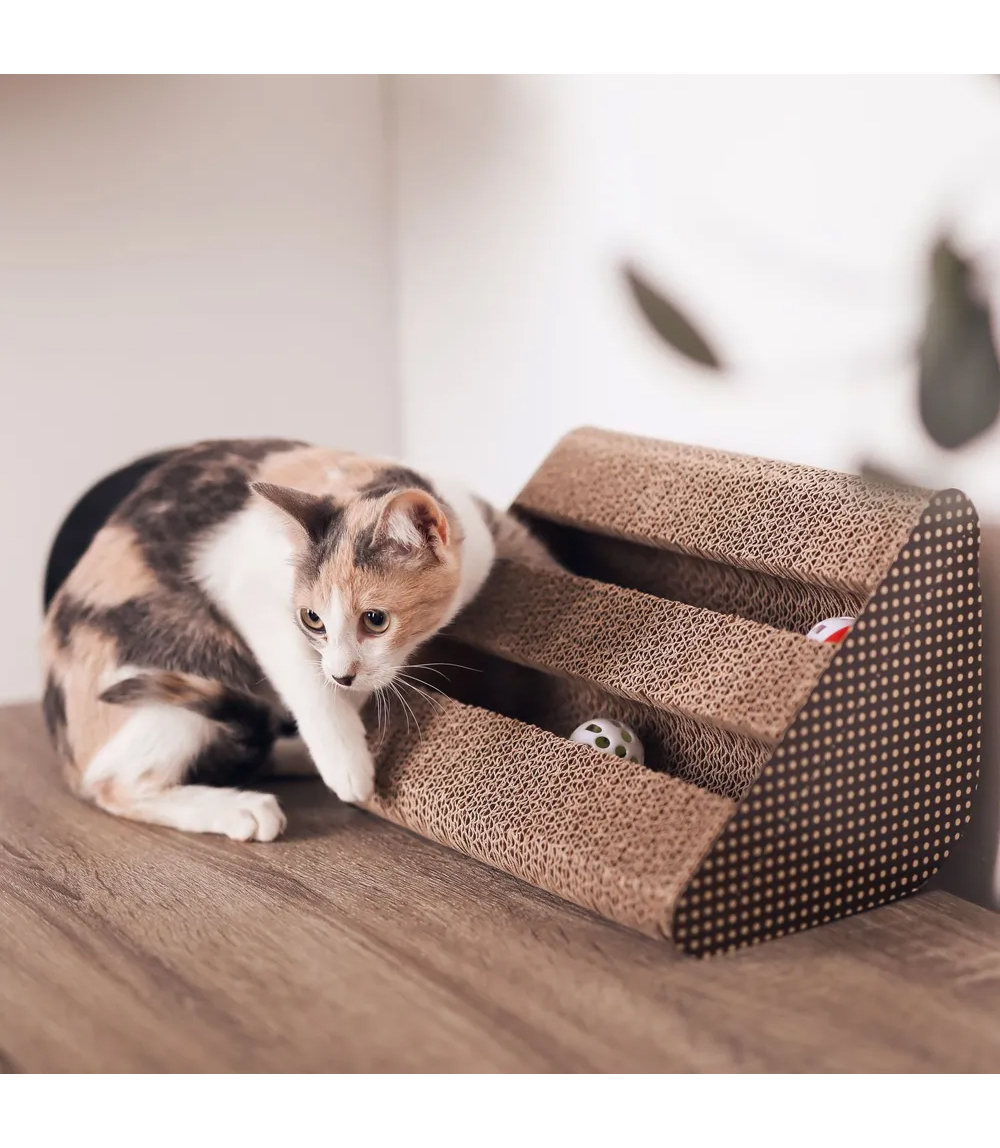


Bringing a new cat home is one of the most exciting moments for any pet parent, but it is also one of the most delicate. Cats are territorial, routine-loving animals, and a sudden change of environment can trigger stress, hiding, loss of appetite, and even litter box problems. The good news? With the right preparation and a patient, step-by-step introduction plan, you can help your new feline friend settle in quickly and confidently.
This complete guide walks you through everything you need to know about how to introduce a new cat to your home — from setting up a safe room and cat-proofing your space to introducing your new cat to resident pets, children, and visitors. Whether you are adopting a kitten or welcoming an adult rescue, the same core principles apply: go slow, respect your cat’s boundaries, and let trust build naturally.
Before Your Cat Comes Home: Preparation Is Everything
The most successful cat introductions start before your cat ever walks through the door. Taking a few hours to prepare your home reduces stress for everyone involved and gives your new cat the best possible start in their new life with you.
Set Up a Safe Room (Your Cat’s “Home Base”)
Cats feel safest in small, enclosed spaces when they are in unfamiliar territory. Before you bring your cat home, choose a quiet room — a spare bedroom, a home office, or even a large bathroom — that will serve as their home base for the first several days. This room should be away from heavy foot traffic, loud appliances, and other pets.
Your cat’s safe room should include:
- A comfortable bed or a soft blanket arranged in a cozy corner
- A clean litter box placed away from the food and water bowls
- Fresh water and food bowls, ideally ceramic or stainless steel
- A scratching post or pad so your cat has a healthy outlet for natural scratching behavior
- A few toys for mental stimulation and enrichment
- At least one hiding spot, such as a covered cat bed or a cardboard box lined with a blanket
Keep the door closed at first. A single, controlled room allows your cat to adjust to new sights, sounds, and smells without being overwhelmed by the entire house all at once.
Cat-Proof the Space
Cats are curious, agile, and surprisingly good at getting into trouble. Before your new cat has free run of the house, do a thorough cat-proofing pass to remove potential hazards:
- Secure or tuck away loose electrical cords and phone chargers
- Remove or lock away toxic plants, including lilies, poinsettias, and aloe
- Store cleaning supplies, medications, and small objects that could be swallowed out of reach
- Check that windows and screens are secure and cannot be pushed open
- Block off tight gaps behind appliances and furniture where a frightened cat could wedge themselves
- Tie up blind cords and curtain pulls that could become a tangling hazard
Gather Supplies in Advance
Having everything ready before your cat arrives means fewer stressful trips to the store during those crucial first days. Make a checklist and stock up on:
- A sturdy carrier for safe transport
- A litter box and the same litter your cat was already using (you can transition gradually later)
- High-quality cat food and treats
- Food and water bowls
- A scratching post and cat bed
- Interactive toys and wand toys for bonding
- A soft brush or grooming comb
You can find a full range of cat supplies, beds, and accessories right here at zzavik.com to get your home ready before the big day.
The First 24–48 Hours: What to Do (and Not Do)
The first couple of days are all about helping your cat feel safe and building the foundation for a trusting relationship. How you handle these early hours makes a lasting impression on your new companion.
Let Your Cat Set the Pace
The single biggest mistake new cat owners make is expecting their cat to explore and socialize immediately. Many cats will hide for the first day or two, and that is completely normal. Do not drag your cat out of their hiding spot, and do not force cuddles or handling. Instead:
- Set the carrier down in the safe room, open the door, and step back
- Spend quiet time in the room each day — read a book, work on your laptop, or just sit on the floor
- Talk to your cat in a soft, calm voice so they get used to your presence and sound
- Offer treats or a small spoonful of wet food to build positive associations
- Let your cat approach you on their own terms rather than reaching for them
Patience pays off. A cat that is allowed to come to you voluntarily will bond with you far more quickly and deeply than one that is chased or cornered.
Establish Food, Water, and Litter Routines
Cats thrive on routine, and predictability is deeply reassuring to a nervous newcomer. From day one, aim for consistency:
- Feed at the same times each day, using the same bowls in the same spot
- Keep fresh, clean water available at all times
- Scoop the litter box daily and keep it in the same location
- Stick to a regular quiet-time schedule in the evening so your cat learns when to expect calm
Routine signals to your cat that their world is safe and predictable, which speeds up the entire adjustment process.
Introducing Your New Cat to a Resident Cat
This is the most common — and most important — introduction scenario. Cats are territorial by nature and do not automatically become friends just because they share a home. A slow, structured introduction is the key to a peaceful multi-cat household.
Step 1: Scent Swapping Before Any Visual Contact
Cats experience much of their world through smell. Before allowing any face-to-face contact, help both cats learn each other’s scent in a low-stress way:
- Rub a soft cloth gently on one cat’s cheeks, then place it near the other cat’s bed or food area
- Swap bedding or blankets between the two cats so each gets used to the other’s scent
- Repeat this daily for several days, watching for signs of relaxed curiosity versus tension
Step 2: Feed on Opposite Sides of a Closed Door
Once scent swapping is going smoothly, begin feeding both cats on opposite sides of the safe room’s closed door. Start with the bowls far from the door and gradually move them closer over several days. This creates a powerful positive association: the other cat’s presence means good things (food) happen.
Step 3: Controlled Visual Contact
When both cats can eat calmly near the closed door, allow brief, controlled visual contact. Use a baby gate, or crack the door open just an inch or two so the cats can see each other but not reach each other. Watch body language closely:
- Good signs: relaxed ears, soft eyes, curious sniffing, eating without staring
- Warning signs: hissing, growling, flattened ears, puffed-up tails, or intense staring
Step 4: Supervised Face-to-Face Meetings
When both cats seem calm during visual contact, you can move on to short, supervised in-person meetings. Keep sessions brief and always end on a positive note with treats or play. Gradually extend the length of these meetings as both cats grow comfortable. Never leave two cats who are still getting to know each other unsupervised.
Introducing Your New Cat to a Dog
Introducing a cat to a dog requires even more care, since the size and energy difference can be intimidating for a cat. Follow these guidelines:
- Keep the dog leashed and calm during all early interactions
- Make sure your dog has a solid grasp of basic commands like “sit” and “stay” before introductions
- Allow the cat to observe the dog from a safe, elevated perch or from behind a barrier
- Reward the dog for calm, non-reactive behavior around the cat
- Always give your cat an escape route and vertical space — cat trees and shelves are ideal
- Never force them into close contact; let the cat control the distance
With patience, many cats and dogs learn to coexist peacefully, and some even become the best of friends.
Introducing Your New Cat to Children and Visitors
Kids are naturally excited to meet a new cat, but too much enthusiasm can overwhelm a shy feline. Teach children to:
- Sit quietly and let the cat come to them
- Pet gently along the cheeks, chin, and back — never the belly or tail
- Never chase, pick up, or corner the cat
- Recognize when the cat needs space and respect it
For adult visitors, keep early introductions low-key. Ask guests to ignore the cat at first and let the cat approach when ready. This takes the pressure off and helps your cat feel in control.
Common Mistakes That Slow Down the Introduction
Even well-meaning owners can unintentionally delay their cat’s adjustment. Watch out for these common pitfalls:
- Rushing the process. Moving too fast is the number one cause of failed introductions.
- Forcing physical contact. Picking up or holding a cat that wants to hide erodes trust.
- Skipping the safe room. Giving a new cat free run of the house too soon can be overwhelming.
- Punishing hissing or hiding. These are normal communication and self-protection behaviors, not bad behavior.
- Introducing too many new things at once. New food, new litter, new people, and new pets all at once is too much change.
Signs Your Cat Is Settling In (and Red Flags to Watch)
Every cat adjusts at their own pace, but most cats show clear progress within the first week or two. Positive signs that your cat is settling in include:
- Eating and drinking normally
- Using the litter box consistently
- Coming out of hiding to explore, especially at night
- Playing with toys and showing interest in their surroundings
- Seeking affection, purring, and rubbing against you or furniture
On the other hand, keep an eye out for red flags that may require professional help:
- Hiding for more than a few days without coming out to eat or drink
- Refusing food for more than 24 hours
- Stopping using the litter box entirely
- Signs of illness such as sneezing, discharge, vomiting, or diarrhea
- Persistent, intense aggression toward people or other pets
If you notice any of these warning signs, contact your veterinarian for guidance. Some cats benefit from calming products, pheromone diffusers, or professional behavioral support during the transition.
Frequently Asked Questions
How long does it take for a new cat to adjust to a new home?
Most cats need anywhere from a few days to a few weeks to feel comfortable in a new home, though some sensitive cats can take a couple of months to fully settle in. Kittens often adapt faster than adult cats, while shy or previously traumatized cats may need extra time and patience. Consistency, routine, and a quiet safe room will help speed up the process.
Should I let my new cat roam the whole house right away?
No. It is almost always better to start your cat in a single safe room and gradually expand their territory over days or weeks. Letting a new cat roam the whole house immediately can be overwhelming and may lead to hiding, accidents outside the litter box, or difficulty finding food and water. Expand access room by room once your cat seems confident and relaxed.
What should I do if my new cat won’t eat?
A reduced appetite is common in the first day or two as cats adjust to stress. Offer a highly palatable wet food, warm it slightly to enhance the aroma, and feed in a quiet, private spot. If your cat refuses all food for more than 24 hours, contact your veterinarian — cats can develop serious health issues if they go too long without eating.
How do I know if my cats are ready to meet face-to-face?
Your cats are ready for supervised face-to-face meetings when they can eat calmly on opposite sides of a closed door, show relaxed body language during visual contact, and no longer hiss or growl at each other’s scent or presence. Start with short, positive meetings and gradually increase the duration. If either cat shows signs of stress, take a step back and resume the earlier stages.
Give Your New Cat the Best Possible Start
Introducing a new cat to your home is a process, not an event. By preparing a safe room, moving at your cat’s pace, and following a structured introduction plan for other pets and people, you give your new companion the security they need to blossom into a confident, affectionate member of your family.
Ready to welcome your new feline friend? Explore our full selection of cat supplies — including cozy beds, scratching posts, carriers, litter boxes, and toys — to make the transition as smooth and stress-free as possible. With the right preparation and a little patience, your new cat will be purring contentedly in no time.