
Choosing the right litter box is one of the most important decisions you will make as a cat owner. Cats are famously particular about their bathroom habits, and a litter box that does not meet their needs can lead to accidents outside the box, stress, and even health issues. The good news is that finding the perfect setup is easier than you might think once you know what to look for. Here is everything you need to consider when choosing the right cat litter box.
Why the Right Litter Box Matters
Cats are clean, private animals that instinctively prefer a safe, comfortable place to do their business. A box that is too small, too dirty, or too difficult to access can cause your cat to avoid it altogether. This is a leading cause of inappropriate elimination, one of the most common behavioral complaints among cat owners. Investing a little thought into your litter box setup can prevent a lot of frustration for both you and your cat.
Consider the Size
Size is the single most important factor when choosing a litter box. A good rule of thumb is that the box should be at least one and a half times the length of your cat, from nose to the base of the tail. This gives your cat enough room to turn around, dig, and find a comfortable position. Many commercially available boxes are too small, so do not be afraid to size up, especially for larger breeds.
Covered vs. Uncovered Boxes
Covered boxes help contain odors and reduce litter scatter, which many owners appreciate. However, some cats feel trapped in enclosed spaces and prefer the open visibility of an uncovered box. If you are unsure, offering one of each lets your cat vote with their paws. Watch which box they use most and adjust accordingly.
Entry Height and Accessibility
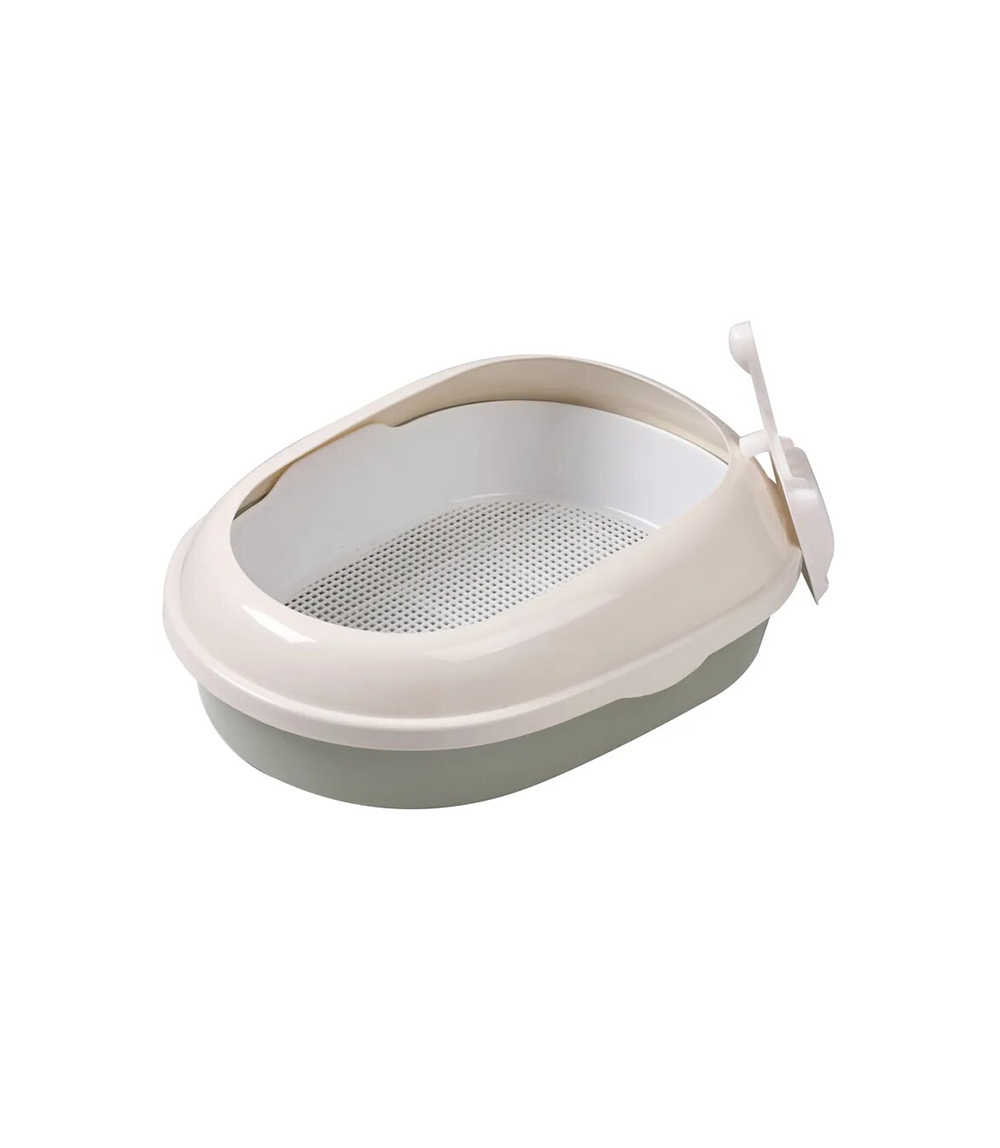
Kittens and senior cats need a box with a low entry so they can get in and out easily. Older cats with arthritis may struggle with high-sided boxes, while cats that dig enthusiastically may benefit from higher walls that keep litter inside. A tray with a rim, like the Savic Gizmo Cat Litter Tray with Rim, offers a smart middle ground: a low front for easy access and a raised rim that helps contain scattered litter.
How Many Litter Boxes Do You Need?
The golden rule is one litter box per cat, plus one extra. So a single cat should have two boxes, and two cats should have three. Having multiple boxes in different locations prevents competition and gives every cat a clean option, which is especially important in multi-cat households.
Location, Location, Location
Place litter boxes in quiet, low-traffic areas where your cat can feel safe. Avoid placing the box next to noisy appliances, near their food and water, or in a corner where they could feel cornered by another pet. Make sure the box is easy to reach at all times, especially for older cats.
Choosing the Right Litter and Accessories
The litter you choose matters as much as the box itself. Most cats prefer a fine-grained, unscented clumping litter that feels soft under their paws. Avoid heavily scented litters, which can be off-putting to a cat’s sensitive nose. Pair your box with a sturdy scoop, like the Beco Eco Litter Scoop, to make daily cleaning quick and easy while being kind to the environment.
Keeping the Box Clean
Cats are far more likely to use a clean litter box, so scoop solid waste at least once a day and completely change the litter on a regular schedule. Wash the box with mild, unscented soap during full litter changes, and avoid harsh chemicals that could leave a lingering smell your cat dislikes.
Frequently Asked Questions
How often should I clean my cat’s litter box?
Scoop solid waste at least once a day, and do a full litter change and box wash every one to two weeks, depending on the type of litter you use and how many cats share the box.
Why is my cat going outside the litter box?
The most common reasons are a dirty box, a box that is too small, stress, or an underlying medical issue. If the behavior starts suddenly, schedule a vet visit to rule out health problems first.
What type of litter box is best for kittens?
Kittens need a box with very low sides so they can climb in and out easily. Start with a simple, open tray and upgrade as your kitten grows.
Should I use a litter box liner?
Liners can make cleaning easier, but some cats dislike the feel of plastic under their paws and may scratch through it. If your cat avoids a lined box, skip the liner.
Final Thoughts
The right litter box can make a world of difference in your cat’s happiness and your home’s cleanliness. Focus on size, accessibility, cleanliness, and your cat’s individual preferences, and you will create a bathroom setup that keeps everyone content.