
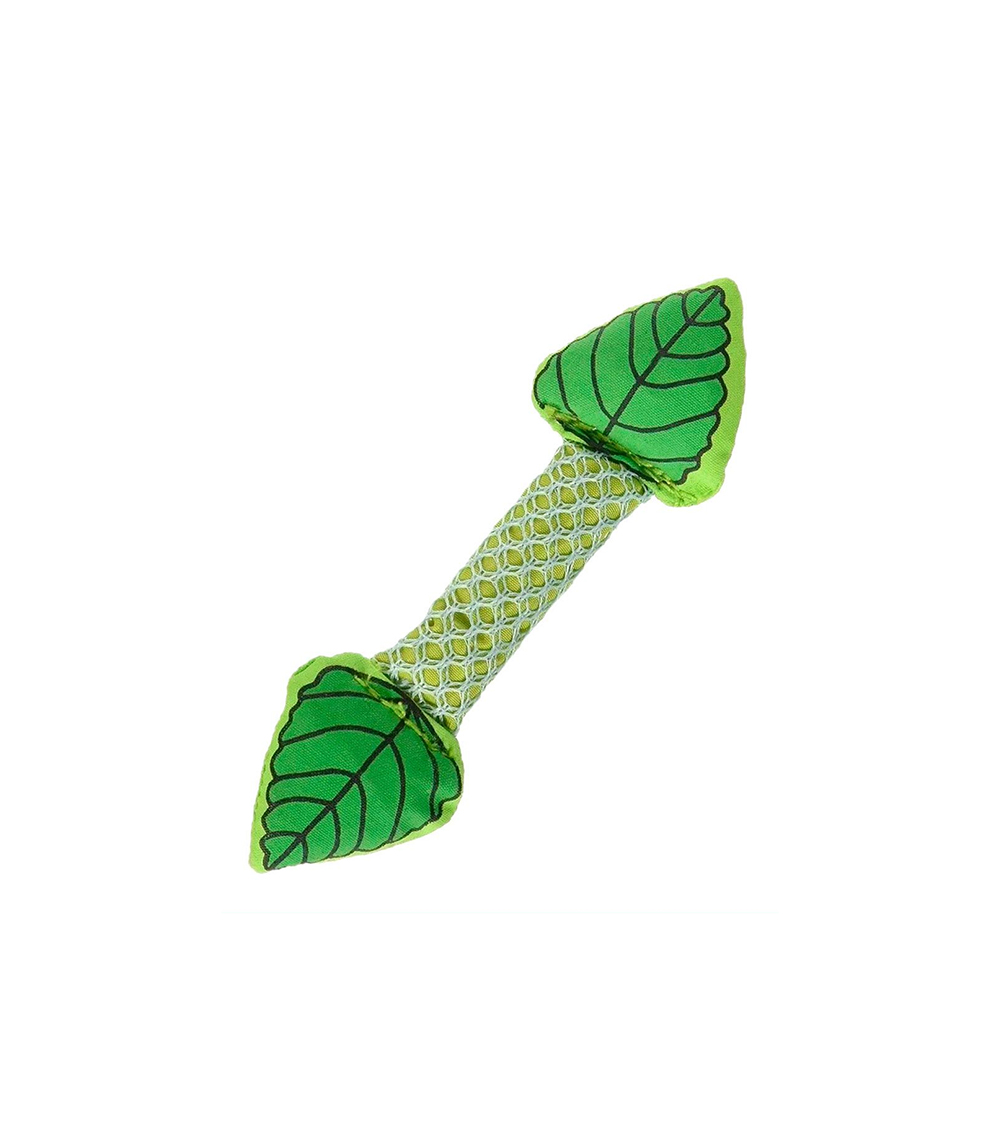
If your dog destroys a brand-new squeaky toy in under five minutes, you already know the frustration. Aggressive chewers don’t just play with toys—they shred them, rip out the stuffing, and swallow pieces faster than you can say “drop it.” Choosing the wrong toy isn’t just a waste of money; it can also become a choking or intestinal-blockage hazard.
In this guide, we’ll explain why some dogs chew so hard, what makes a toy truly durable, the best toy types for power chewers, and how to keep playtime safe and fun. Whether you have a Pit Bull, Rottweiler, German Shepherd, Labrador, or a small-but-mighty terrier, there’s a chew toy out there that can keep up.
Why Do Some Dogs Chew So Aggressively?
Chewing is a completely natural dog behavior. Puppies chew to relieve teething pain, while adult dogs chew to clean their teeth, work their jaw muscles, and burn off mental energy. Some breeds are simply wired for it—strong-jawed working and sporting dogs often need more powerful outlets than a flimsy plush toy can provide.
Aggressive chewing can also be a sign of boredom, anxiety, or excess energy. A dog left alone for long stretches may redirect that energy into destructive chewing. The right durable toy paired with enough exercise and mental stimulation can make a huge difference in protecting your furniture, shoes, and baseboards.
What Makes a Toy Durable Enough for a Power Chewer?
Not all “indestructible” claims are created equal. Here’s what to look for before you buy.
Material
Rubber and nylon are the two heavyweights of the chew-toy world. Natural rubber has a slight give that many dogs love, while hard nylon is designed to stand up to relentless gnawing. Avoid toys made of thin vinyl, cheap plastic, or soft fabric if your dog is a serious chewer.
Construction
One-piece or solid-core designs hold up far better than sewn seams, glued layers, or hollow toys with thin walls. Look for toys marketed specifically as “for aggressive chewers” or with a durability guarantee.
Size and Shape
A toy that’s too small becomes a choking risk; one that’s too big is frustrating to carry. Choose a size your dog can comfortably grip without being able to swallow the whole thing.
The Best Types of Toys for Aggressive Chewers
1. Hard Rubber Chew Toys
Classic hard rubber toys are the gold standard for power chewers. They’re bouncy, can be stuffed with treats or peanut butter, and their solid construction stands up to serious jaws. Many brands offer a range of toughness levels, so you can match the toy to your dog’s bite strength. For the hardest chewers, look for extra-strong rubber options explicitly rated for extreme chewers.
2. Nylon Bones and Chew Sticks
Nylon bones are built to last for weeks or even months with a determined chewer. They gradually wear down into small, digestible slivers rather than breaking off in sharp chunks. Some are flavored to keep your dog interested. Keep an eye on the toy’s size—once it wears down enough to be swallowed whole, it’s time to replace it.
3. Rope Toys (For Supervised Tug Play)
Thick, tightly woven rope toys are great for tug-of-war and can help floss your dog’s teeth. However, aggressive chewers can shred rope and swallow the strands, which can cause intestinal issues. Use rope toys for interactive play rather than leaving them for solo chewing sessions.
4. Tough Rubber Balls and Treat-Dispensing Toys
A solid rubber ball or a treat-dispensing toy gives your dog a goal: work out the treats. This turns chewing into a mentally stimulating puzzle, which tires out even the most energetic dogs. Choose a ball large enough that it can’t be swallowed and durable enough not to split under pressure.
5. Natural Chews (Antlers, Himalayan Cheese, Bully Sticks)
Natural chews are fantastic long-lasting options. Elk and deer antlers are extremely hard and splinter-free, while Himalayan cheese chews soften slowly as your dog works on them. Always supervise with any natural chew, and take it away once it gets small enough to swallow.
Safety Tips for Aggressive Chewers
Even the toughest toy can become dangerous if it’s misused. Follow these guidelines to keep playtime safe.
- Supervise new toys. Watch how your dog plays with any new toy before leaving them alone with it.
- Inspect regularly. Check toys for cracks, sharp edges, or loose pieces after every play session.
- Know when to retire it. If a toy is cracked, split, or small enough to swallow, throw it away.
- Match toughness to your dog. A toy that’s too hard can crack teeth; a toy that’s too soft gets destroyed instantly. Find the middle ground.
- Rotate toys. Keeping a few toys in rotation prevents boredom and extends the life of each one.
How to Get the Most Out of Chew Toys
Chew toys do more than survive destruction—they’re powerful training and bonding tools. Stuff a rubber toy with peanut butter and freeze it for a long-lasting, soothing treat on hot days. Use a tough tug toy to build a stronger recall and relationship with your dog. And pair every chew session with praise so your dog learns that the toy—not your shoes—is the right thing to chew.
What Owners of Strong Chewers Experience
Owners of power chewers — especially large breeds and puppies — consistently report that flimsy toys get destroyed within minutes, and that the real test is what survives the first week. Many say they stopped buying cute-but-weak toys after watching their dog tear them apart, and now look specifically for toys marketed as “indestructible” or “heavy duty.” A recurring observation is that rotating two or three tough toys keeps a determined chewer interested longer than a single toy ever does.
Frequently Asked Questions
What is the most durable material for dog chew toys?
Hard rubber and nylon are the most durable materials for aggressive chewers. Natural options like antlers are also extremely long-lasting but should only be given under supervision.
Can aggressive chewing hurt my dog’s teeth?
Yes. Toys that are harder than your dog’s teeth—like very hard bones or certain antlers—can cause tooth fractures. Choose a toy with a little “give,” and ask your vet if you’re unsure about your dog’s dental health.
How do I stop my dog from destroying every toy?
Choose toys rated for aggressive chewers, supervise playtime, rotate toys to prevent boredom, and make sure your dog gets plenty of exercise and mental stimulation. Destructive chewing often points to excess energy rather than a “bad” dog.
How often should I replace my dog’s chew toys?
Inspect toys after every session. Replace them as soon as you notice cracks, splits, exposed sharp edges, or a size small enough to be swallowed whole.
Find the Right Chew Toy at zzavik
A tough chewer needs tough gear—and the right toy makes all the difference between a happy, exercised dog and a trail of destroyed belongings. Browse our selection of durable dog toys, chew treats, and supplies at zzavik.com to find the perfect match for your power chewer today.