

Bringing a new puppy home is one of the most exciting moments for any pet parent. But for your puppy, it’s also a big, unfamiliar world filled with new sights, sounds, and smells. A smooth introduction sets the tone for a happy, confident, well-adjusted dog. Here’s exactly how to introduce a new puppy to your home the right way.
1. Puppy-Proof Your Home Before Arrival
Before your puppy walks through the door, remove hazards and set up a safe space. Puppies explore with their mouths, so anything within reach is fair game.
What to do ahead of time
- Move electrical cords, houseplants, and small objects out of reach.
- Secure trash cans and cleaning supplies behind closed doors or latches.
- Block off stairs and rooms you don’t want the puppy in using baby gates.
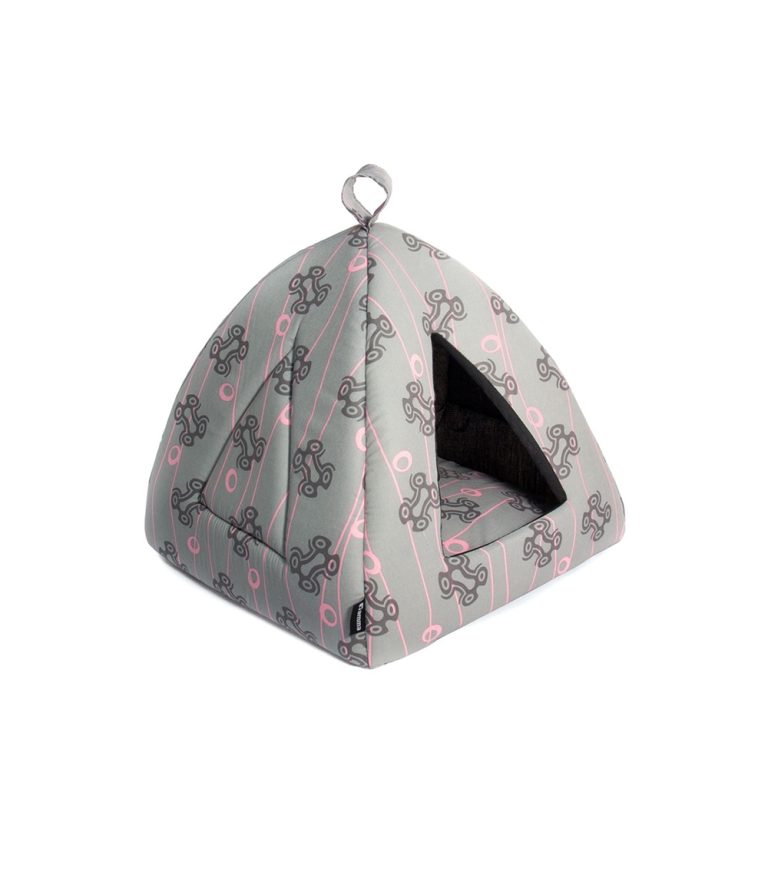
- Set up a crate, a comfortable dog bed, food and water bowls, and a few safe toys in a quiet area.
Having a designated “puppy zone” helps your new dog feel secure instead of overwhelmed by a whole house at once.
2. Keep the First Meeting Calm and Quiet
It’s tempting to throw a welcome-home party, but too much excitement can scare a young puppy. Keep the first day low-key.
Tips for a calm arrival
- Let only immediate family members greet the puppy at first.
- Ask everyone to sit on the floor and let the puppy approach them rather than crowding or grabbing.
- Speak in soft, cheerful tones and avoid sudden loud noises.
- Give the puppy time to sniff and explore at its own pace.
Remember, your puppy is leaving its mother and littermates for the first time. Patience and gentleness build trust from day one.
3. Introduce Other Pets Slowly and Safely
If you already have a dog or cat at home, introduce them gradually to prevent fear or territorial behavior.
Introducing a resident dog
- Start on neutral ground, like a yard or sidewalk, with both dogs on leashes.
- Allow short, supervised sniffing sessions rather than face-to-face pressure.
- Keep early interactions brief and end on a positive note with treats.
- Feed them in separate areas until they’re comfortable sharing space.
Introducing a resident cat
- Keep the puppy and cat separated by a baby gate or closed door for the first few days.
- Let them smell each other through the barrier first.
- Always supervise direct meetings and give the cat an escape route, like a high perch or another room.
Slow introductions prevent long-term rivalry and keep everyone feeling safe.
4. Establish a Routine Right Away
Puppies thrive on predictability. A consistent schedule for meals, potty breaks, play, and sleep helps your puppy settle in faster and makes house-training much easier.
A sample daily rhythm
- Wake up and take the puppy out for a potty break immediately.
- Feed at the same times each day, then potty again 10-15 minutes after eating.
- Schedule short play sessions and training sessions throughout the day.
- Provide plenty of naps; young puppies may sleep 18-20 hours a day.
- Take a final potty break right before bedtime.
A steady routine also reduces anxiety, because your puppy learns exactly what to expect and when.
5. Start Crate Training and Positive Reinforcement Early
A crate gives your puppy a safe den of its own and is a powerful tool for house-training. Pair it with plenty of positive reinforcement to build good habits.
Crate training basics
- Introduce the crate gradually, leaving the door open with treats and a soft blanket inside.
- Feed meals near or inside the crate to create positive associations.
- Never use the crate as punishment.
- Keep initial crate sessions short and always praise calm behavior.
Use treats, praise, and toys to reward the behaviors you want, from sitting quietly to going potty outside. Positive reinforcement works far better than scolding.
6. Socialize Your Puppy Early and Often
The first few months are a critical window for socialization. Exposing your puppy to new people, places, sounds, and gentle, vaccinated dogs helps prevent fear and aggression later in life.
Safe socialization ideas
- Invite calm friends over to meet the puppy one at a time.
- Carry your puppy on short outings to experience new sights and sounds.
- Introduce different surfaces like grass, tile, and carpet indoors.
- Enroll in a puppy kindergarten class once your vet says it’s safe.
Always keep socialization positive and go at your puppy’s pace. A scared puppy needs gentle encouragement, not pressure.
7. Be Patient Through the First Few Weeks
Accidents, chewing, and nighttime whining are all normal during the adjustment period. Your puppy isn’t misbehaving; it’s learning. Stay consistent with your routine, keep training sessions short and fun, and celebrate small wins.
Within a few weeks, your new puppy will begin to feel like part of the family. For everything your growing dog needs, from beds and bowls to toys and training supplies, explore the full collection at zzavik.com.
What New Puppy Owners Experience in the First Weeks
First-time puppy owners are often surprised by how exhausting the first two weeks are, and how much of that comes from simple lack of preparation. Those who puppy-proof the house and set up a consistent routine before the puppy arrives consistently report a much smoother transition. Many owners also mention that the “puppy blues” are real but temporary — the stress fades quickly once a predictable schedule of feeding, potty breaks, and sleep is in place.
Frequently Asked Questions
How long does it take for a puppy to adjust to a new home?
Most puppies begin settling in within a few days, but full adjustment often takes two to four weeks. The “3-3-3 rule” is a helpful guideline: three days to decompress, three weeks to learn your routine, and three months to feel truly at home.
Should I let my new puppy sleep in my bed?
It’s a personal choice, but many trainers recommend starting with a crate or a dog bed beside your bed. This helps with house-training and prevents separation anxiety while still keeping your puppy close and comforted at night.
When can I introduce my puppy to other dogs?
Wait until your puppy has completed its core vaccinations, usually around 12-16 weeks of age. Until then, you can safely introduce your puppy to healthy, fully vaccinated dogs you know well, in a clean environment.
What should I do if my puppy cries at night?
Keep the crate or bed close to you, provide a cozy blanket and a safe chew toy, and take the puppy out for a quiet potty break if needed. Avoid making a big fuss, which can reward the crying. Most puppies settle within a few nights.