
Let’s be honest: most cats would rather do almost anything than take a bath. If your cat has ever turned into a tiny, soaking-wet tornado the second you turned on the faucet, you’re not alone. The good news is that bathing a cat doesn’t have to end in scratches, tears, or a trip to the medicine cabinet. With the right preparation, a calm approach, and a few cat-specific tricks, you can get your feline clean and dry without a single scratch.
Why Cats Usually Hate Baths
To understand how to bathe a cat without getting scratched, it helps to understand why they resist in the first place. Cats are fastidious self-groomers, so water feels foreign and unnecessary to them. A wet coat is heavy, cold, and messes with their carefully maintained scent. Add in slippery surfaces, loud running water, and being physically restrained, and even the sweetest cat can panic. Once you recognize that a bath is stressful for your cat, you can design the whole process around reducing that stress — which is the real secret to keeping those claws to themselves.
When Does Your Cat Actually Need a Bath?
Here’s some reassuring news: most healthy indoor cats never need a full bath. They groom themselves for hours a day. However, there are times when a bath is genuinely necessary, including:
- Your cat got into something sticky, greasy, or toxic (like oil, paint, or chemicals).
- Your cat has a skin condition that requires a medicated shampoo prescribed by your vet.
- Your cat is long-haired and struggles to keep its coat clean.
- Your cat has fleas and needs a flea bath.
- Your cat is elderly, overweight, or arthritic and can no longer groom itself properly.
If none of these apply, a regular brushing session and occasional grooming supplies will usually do the job.
Preparing for a Stress-Free Cat Bath
Preparation is everything. The better you set things up in advance, the faster and calmer the actual bath will be.
Gather Your Supplies First
Never leave the room mid-bath to grab something — a wet, spooked cat will bolt the moment you turn your back. Before you bring your cat anywhere near the water, set out:
- Cat-specific shampoo (never human shampoo, which can irritate feline skin)
- A plastic cup or handheld sprayer for rinsing
- Two or three thick, absorbent towels
- A non-slip mat for the tub or sink
- Cotton balls for cleaning around the ears
- Treats for positive reinforcement
Trim Those Claws First
A claw trim a day or two before bath time is one of the smartest moves you can make. It won’t stop your cat from swatting, but it dramatically reduces the damage if they do. If your cat isn’t comfortable with trims, ask your vet or a groomer for help.
Pick the Right Time
Bathe your cat when they’re already calm and a little tired — after a meal or a good play session is ideal. Avoid bath time when your cat is in a playful or anxious mood.
Step-by-Step: How to Bathe a Cat Without Getting Scratched
Follow these steps in order, move slowly, and speak in a soft, reassuring voice the entire time.
1. Brush Before You Bathe
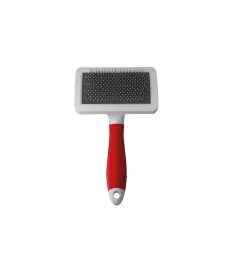
Give your cat a thorough brushing before any water touches them. This removes loose fur and tangles, which prevents matting and keeps your drain from clogging. It also acts as a gentle warm-up that relaxes your cat.
2. Use a Non-Slip Surface
Place a rubber mat or folded towel on the bottom of the sink or tub. A cat that feels secure underfoot is far less likely to panic and scramble — and a panicking cat is a scratching cat.
3. Keep the Water Shallow and Lukewarm
Fill the sink or tub with just a few inches of lukewarm water before your cat goes in. Aim for around body temperature — comfortable to your wrist. The sound and force of a running faucet can terrify a cat, so fill the basin first and turn the water off. Use a cup or sprayer to wet your cat rather than dunking them.
4. Work Quickly and Calmly
Start at the neck and work backward, wetting the coat thoroughly but keeping the head, ears, and face dry. Lather a small amount of cat shampoo into the fur, avoiding the eyes and mouth. Shampoo only the body and tail — you can wipe the face later with a damp cloth.
5. Rinse Thoroughly
Leftover shampoo residue can irritate your cat’s skin and cause itching or over-grooming later. Rinse until the water runs completely clear, using your cup or sprayer on a gentle setting. This step is essential even though it’s the one cats hate most.
6. Dry Gently
Wrap your cat in a thick towel and blot — don’t rub — to soak up excess water. Switch to a second dry towel when the first is saturated. Most cats prefer air-drying in a warm room over a blow dryer, which is loud and frightening. Keep your cat in a warm, draft-free space until fully dry, and offer treats and praise throughout.
What to Do If Your Cat Panics
If your cat starts thrashing, screaming, or biting, stop the bath. Forcing it will only make future baths harder and puts you at real risk of injury. Towel-dry your cat as best you can, keep them warm, and try again another day. For cats with severe water anxiety, alternatives like waterless cat shampoo, grooming wipes, or a professional groomer are all safer and gentler options. You can browse cat grooming and care products to find a routine that works for both of you.
Cat Bathing FAQs
How often should I bathe my cat?
Most indoor cats need a bath only a few times a year at most, and many never need one. Over-bathing strips the natural oils from a cat’s coat and can cause dry, itchy skin. Unless your cat is dirty or has a medical reason, brushing is usually enough.
Can I use human shampoo on my cat?
No. Human shampoo has a different pH and can dry out or irritate your cat’s skin. Always use a shampoo formulated specifically for cats, and rinse it out completely.
What if my cat hates water completely?
Try waterless shampoo, grooming wipes, or a professional groomer. Some cats tolerate a damp washcloth better than standing water, so you can spot-clean small areas without a full bath.
Final Thoughts
Bathing a cat without getting scratched is less about strength and more about strategy. Prepare everything in advance, trim the claws, keep the water shallow and quiet, and move calmly from start to finish. When you respect your cat’s limits and work with their instincts instead of against them, bath time can go from a dreaded wrestling match to a quick, manageable chore — for both of you.
What Cat Owners Experience When Bathing Their Cat
Cat owners who bathe their cat at home almost universally report that rushing is the biggest mistake. Those who prepare everything first — towels, shampoo, a helper, and a non-slip surface — describe a much calmer process. Many also note that most cats do not actually need frequent baths, and that over-bathing can dry out the skin, so understanding when a bath is truly necessary saves both the owner and the cat a lot of stress.