
Few things are more frustrating than finding a puddle on your carpet — especially when your dog is already house trained. Whether you have a new puppy or an adult dog that has suddenly started having accidents indoors, the good news is that this is a fixable problem.
In this guide, we will walk you through why dogs pee inside, and give you a step-by-step plan to stop it for good. We will also cover the differences between marking, accidents, and submissive urination, because each one requires a slightly different approach. By the end, you will have a clear, practical roadmap that works for puppies, adult dogs, and senior dogs alike.
Why Is Your Dog Peeing in the House?
Before you can fix the problem, you need to understand the cause. Dogs rarely pee indoors out of spite — there is almost always an underlying reason. The most common causes include:
- Incomplete house training — especially common in puppies and newly adopted dogs.
- Medical issues — urinary tract infections, kidney disease, or diabetes can all cause accidents.
- Marking behavior — some dogs, especially unneutered males, mark territory indoors.
- Anxiety or stress — separation anxiety, loud noises, or a change in routine can trigger accidents.
- Age-related issues — senior dogs may lose bladder control or can’t hold it as long.
If your dog has suddenly started peeing indoors after years of good behavior, your first step should always be a visit to the vet to rule out a medical cause. It is tempting to assume a behavioral problem, but medical issues are surprisingly common and should be ruled out before you invest weeks in retraining.
Medical Causes to Rule Out First
Sudden house soiling is frequently a medical symptom, not a behavioral one. Several health conditions can cause a dog to lose bladder control or urinate more frequently than normal:
- Urinary tract infection (UTI) — causes urgency, discomfort, and the need to go more often. Dogs with a UTI may dribble small amounts or strain to urinate.
- Bladder stones or crystals — irritate the bladder lining and increase urgency.
- Kidney disease — reduces the kidneys’ ability to concentrate urine, leading to more volume and more frequent trips.
- Diabetes — causes increased thirst and urination, so a dog simply produces too much urine to hold.
- Cushing’s disease — a hormonal condition that also increases thirst and urination.
- Urinary incontinence — common in older, spayed female dogs, where the muscles that control the bladder weaken. This often shows up as leaking while sleeping or resting.
A quick vet check with a urine sample can rule out most of these conditions in a single visit. If the cause is medical, no amount of training will help until the underlying issue is treated.
Marking, Accidents, and Submissive Urination: What Is the Difference?
Not all indoor peeing is the same, and treating the wrong type can waste weeks of effort. Understanding which one you are dealing with will help you respond correctly.
Urine Marking
Marking is a deliberate, small amount of urine left on vertical surfaces — furniture legs, corners, doorways. It is a communication behavior, most common in unneutered males but seen in females and neutered dogs too. Dogs mark to claim territory, respond to a new smell, or signal anxiety. If your dog lifts a leg and leaves a few drops on a wall, that is marking, not a bathroom accident.
Accidents
True accidents happen when a dog cannot hold it — often a full puddle in a spot where the dog was left too long, or right after a meal or drink. These are the classic house-training issues and respond best to routine, supervision, and positive reinforcement.
Submissive or Excitement Urination
Some dogs, especially young or timid ones, dribble a little urine when they greet someone, get excited, or feel intimidated. This is involuntary and should never be punished — it typically improves on its own as the dog gains confidence. Greeting your dog calmly at their level and avoiding looming over them helps reduce it.
Step-by-Step Plan to Stop Indoor Peeing
Once medical causes are ruled out and you have identified the type of behavior you are dealing with, follow this step-by-step plan. Consistency is the single most important factor in success.
1. Establish a Consistent Routine
Dogs thrive on routine. Take your dog outside at the same times every day — first thing in the morning, after meals, after naps, and right before bed. Puppies typically need to go out every 1-2 hours, while adult dogs can usually hold it for 6-8 hours.
Stick to regular feeding times as well, because predictable meals lead to predictable bathroom needs. Most dogs need to go within 15 to 30 minutes after eating or drinking. If you free-feed throughout the day, it becomes nearly impossible to predict when your dog will need a break.
2. Use a Location Habituation Spray
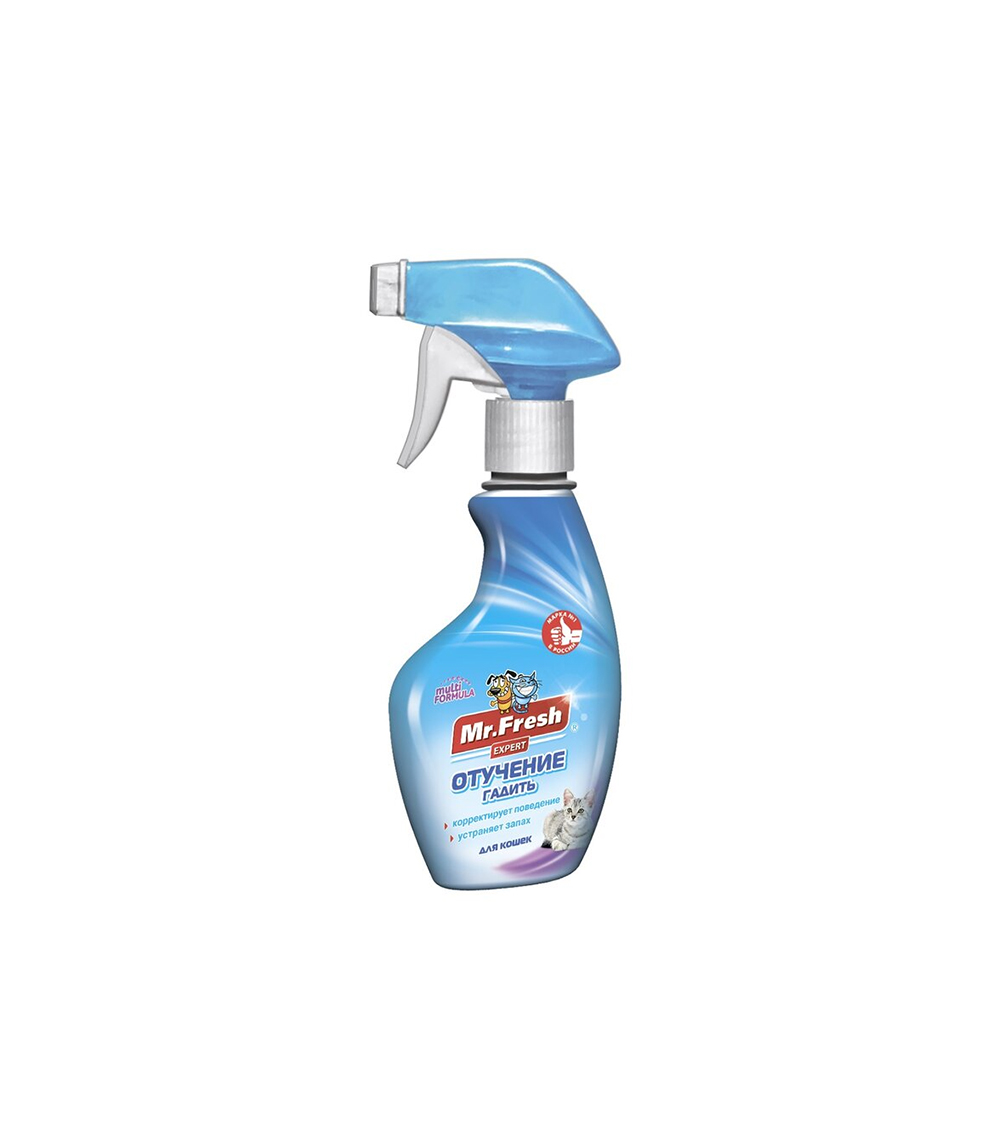
One of the most effective tools for house training is a location habituation spray. These sprays use scents that naturally encourage your dog to relieve themselves in a specific spot, making potty training faster and more consistent.
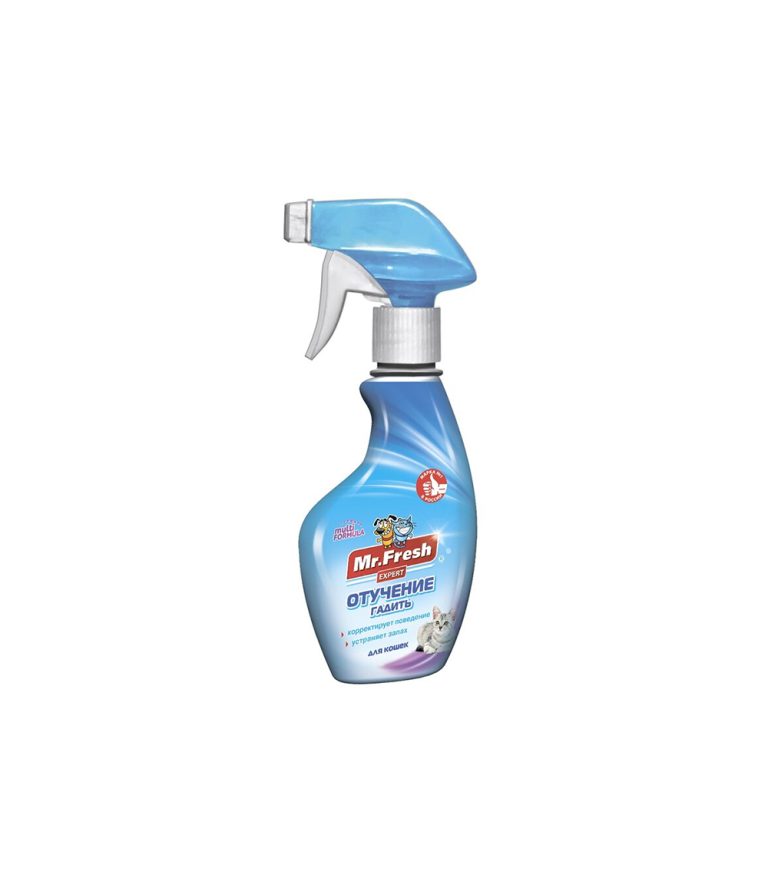
We recommend the Mr. Fresh Expert Dog Location Habituation Spray — it is easy to use, safe for puppies and adult dogs, and helps your dog understand exactly where to go. A quick spray on the outdoor spot you want to designate as the “potty zone” gives your dog a clear, consistent signal every single time.
3. Clean Accidents Thoroughly
Dogs have an incredible sense of smell — far more powerful than ours. If even a trace of urine smell remains on your floor, your dog will be drawn back to the same spot. Use an enzymatic cleaner specifically designed for pet urine — regular household cleaners won’t break down the proteins that keep the smell lingering.
When cleaning, blot up as much liquid as possible first with paper towels, then apply the enzymatic cleaner generously and let it soak according to the label instructions. Avoid ammonia-based cleaners, because ammonia smells similar to urine and can actually encourage your dog to mark the same spot again.
4. Reward the Right Behavior
Positive reinforcement works far better than punishment. When your dog goes potty outside, praise them enthusiastically and offer a treat immediately. This teaches them that going outside leads to good things.
Timing matters more than anything here. Reward the instant your dog finishes, not after they have wandered back inside. If you wait too long, your dog won’t connect the reward to the action. Keep small, high-value treats near the door so they are always ready to grab on your way out.
5. Supervise and Confine
When you can’t watch your dog, confine them to a crate or a small, dog-proofed area. Dogs instinctively avoid soiling their sleeping space, which helps build bladder control. Never use the crate as punishment.
The crate should be just large enough for your dog to stand up, turn around, and lie down comfortably — any larger and they may use one corner as a bathroom. Take your dog outside immediately before crating and immediately after letting them out. For dogs that are not crate-trained, a baby gate or an exercise pen in an easy-to-clean area can serve the same purpose.
6. Address Anxiety if Needed
If your dog’s accidents are stress-related, work on reducing the source of anxiety. Create a calm environment, stick to a predictable schedule, and consider calming aids or consulting a trainer for severe separation anxiety.
Separation anxiety is one of the most common stress triggers for indoor accidents. If your dog only has accidents when you leave, start with very short absences and gradually build up the time you are gone. Leave a favorite toy or a food puzzle to keep your dog occupied, and avoid making departures and arrivals overly emotional.
7. Manage Excitement and Submissive Urination
If your dog dribbles when greeting people, keep greetings low-key. Have visitors ignore the dog for the first minute, then greet them calmly at their level rather than bending over them. Take the dog outside before exciting events, like guests arriving or kids coming home from school. This empties the bladder so there is less to leak, and the behavior usually fades as the dog’s confidence grows.
8. Help Senior Dogs Stay Comfortable
Older dogs may simply need more frequent bathroom breaks. Reduce the time between trips, add a potty break in the middle of the night if needed, and consider indoor potty pads or a grass patch near the door for dogs with limited mobility. If your senior dog is leaking while resting, talk to your vet — incontinence is often very manageable with medication.
Common Mistakes That Make the Problem Worse
Even well-meaning owners can accidentally slow down the process. Avoid these common pitfalls:
- Punishing after the fact. If you find an accident hours later and scold your dog, they will not understand why. They may learn to hide their accidents instead of signaling you.
- Rubbing their nose in it. This old-school advice is not only ineffective — it is harmful and can damage trust.
- Inconsistent scheduling. Dogs learn fastest when the routine is predictable. Skipping potty breaks or changing feeding times resets their internal clock.
- Giving too much freedom too soon. Until your dog is reliably accident-free, keep them supervised or confined rather than giving them free run of the whole house.
- Using the wrong cleaner. Household cleaners that leave urine odor behind will keep pulling your dog back to the same spot.
How Long Does It Take to Fix?
The timeline depends on your dog’s age and the underlying cause. Puppies typically take four to six months to be fully house trained, while adult dogs with a behavioral issue can often be retrained in two to four weeks with consistent effort. Senior dogs and dogs with medical conditions may need ongoing management rather than a permanent fix. The most important thing is to stay patient and consistent — progress is rarely a straight line, and occasional setbacks are normal.
Tools That Make House Training Easier
A few inexpensive tools can dramatically speed up the process and reduce frustration:
- Location habituation spray — marks the outdoor spot you want your dog to use, giving a consistent scent signal.
- Enzymatic cleaner — breaks down urine proteins so your dog is not drawn back to old accident spots.
- A properly sized crate or pen — helps your dog build bladder control during the times you cannot supervise.
- Treats kept by the door — so you can reward instantly, without fumbling when it matters most.
You do not need an elaborate setup. A consistent spot, a reliable cleaner, and immediate rewards cover the vast majority of cases.
When to Call a Professional Trainer or Behaviorist
Most indoor peeing problems resolve with the steps above, but a few situations benefit from professional help. Consider reaching out if your dog continues to have daily accidents after several weeks of consistent training, if the accidents are tied to severe separation anxiety, or if you are dealing with complex multi-dog household dynamics. A certified trainer or veterinary behaviorist can identify subtle triggers you might miss and design a plan tailored to your specific situation. This is not a sign of failure — it is simply getting the right expertise for a tricky case.
Frequently Asked Questions
How long does it take to house train a dog?
Most puppies take 4 to 6 months to be fully house trained, though some learn faster. Adult dogs can often be retrained in a few weeks with consistency.
Should I punish my dog for peeing inside?
No. Punishment after the fact does not work and can actually make the problem worse by increasing anxiety. Focus on rewarding the behavior you want instead.
Why does my dog only pee inside when I’m not home?
This is often a sign of separation anxiety or a sign that your dog has not fully generalized house training to all situations. Start with short absences, build up gradually, and make sure the bladder is emptied before you leave.
Can neutering stop indoor marking?
Neutering reduces marking in many male dogs, especially if done early, but it is not a guaranteed cure. A combination of neutering, thorough cleanup, and management is usually most effective.
Final Thoughts
Stopping your dog from peeing in the house takes patience and consistency, but it is absolutely achievable. Stick to a routine, use the right tools like a location habituation spray, and reward good behavior — and those accidents will soon be a thing of the past.
Looking for more pet care tips and quality products? Browse our full range of pet supplies at Zzavik.