
Bringing home a new puppy is one of the most exciting moments for any dog lover, but potty training is often the very first challenge new owners face. The good news is that with consistency, patience, and the right tools, most puppies can be reliably house-trained within a few weeks to a few months. This complete guide walks you through everything you need to know, from understanding your puppy’s schedule to handling accidents the right way.
Why Potty Training Matters
House-training is about more than keeping your floors clean. It builds trust between you and your puppy, establishes a predictable routine, and lays the foundation for good behavior in every other area of training. Puppies thrive on structure, and a clear potty routine helps them feel safe and confident in their new home. The earlier you start, the easier the process becomes, because young puppies are eager to learn and quick to form habits — both good and bad.
Understanding Your Puppy’s Schedule
The single most important rule of potty training is timing. Puppies have small bladders and limited control, so you need to anticipate when they need to go rather than waiting for them to tell you.
How Often Puppies Need to Go
A good rule of thumb is that a puppy can hold their bladder for roughly one hour per month of age, up to a maximum of about eight hours for adult dogs. That means a two-month-old puppy may need a potty break every two hours — and even more often when awake and active. Very young puppies often need to go immediately after waking, after eating or drinking, after playing, and right before bedtime.
Reading the Signs
Most puppies give clear signals before they go. Watch for circling, sniffing the floor, whining, scratching at the door, or suddenly wandering away from play. When you notice any of these behaviors, take your puppy outside right away. The faster you respond, the stronger the connection between the urge to go and being outdoors.
Setting Up a Potty Area
Choose one consistent outdoor spot for potty breaks and always take your puppy there on a leash. Using the same location every time means the scent of previous trips will trigger the instinct to go. Keep the area quiet and free of distractions so your puppy can focus on the task. If you live in an apartment, a balcony potty patch or indoor grass pad can work as a temporary solution, but always aim to transition to outdoor bathroom habits as soon as possible.
Building a Consistent Routine
Routine is the backbone of successful potty training. Feed your puppy at the same times each day and schedule potty breaks around those meals. Predictable input leads to predictable output, which makes it far easier to catch your puppy at the right moment.
Morning Routine
Take your puppy outside the moment they wake up in the morning, before you do anything else. This is almost always an immediate need. Follow with a trip outside shortly after breakfast.
After Meals, Play, and Naps
Puppies typically need to eliminate within 10 to 30 minutes after eating or drinking. They also need a break right after waking from a nap and after an energetic play session, since activity stimulates the digestive system. Make these trips non-negotiable parts of your daily flow.
Crate Training Basics
A properly sized crate is one of the most effective potty training tools you can use. Dogs naturally avoid soiling the area where they sleep, so a crate that is just big enough for your puppy to stand up, turn around, and lie down will encourage them to hold it. Never use the crate as punishment, and never leave a young puppy crated for longer than their bladder can handle. Pair crate time with a trip outside immediately before and after each session.
Positive Reinforcement Works Best
When your puppy goes in the right place, celebrate. Use a happy, excited tone of voice and offer a small treat or praise the moment they finish. Timing matters: reward immediately so your puppy connects the action with the reward. Punishing a puppy for an accident after the fact does not work — they simply cannot understand what they did wrong, and it can make them fearful of going to the bathroom in front of you at all.
Handling Accidents the Right Way
Accidents will happen, especially in the early weeks. When they do, stay calm and simply clean up thoroughly. If you catch your puppy mid-accident, interrupt gently with a soft noise and immediately take them outside to finish, then reward them for going in the right spot.
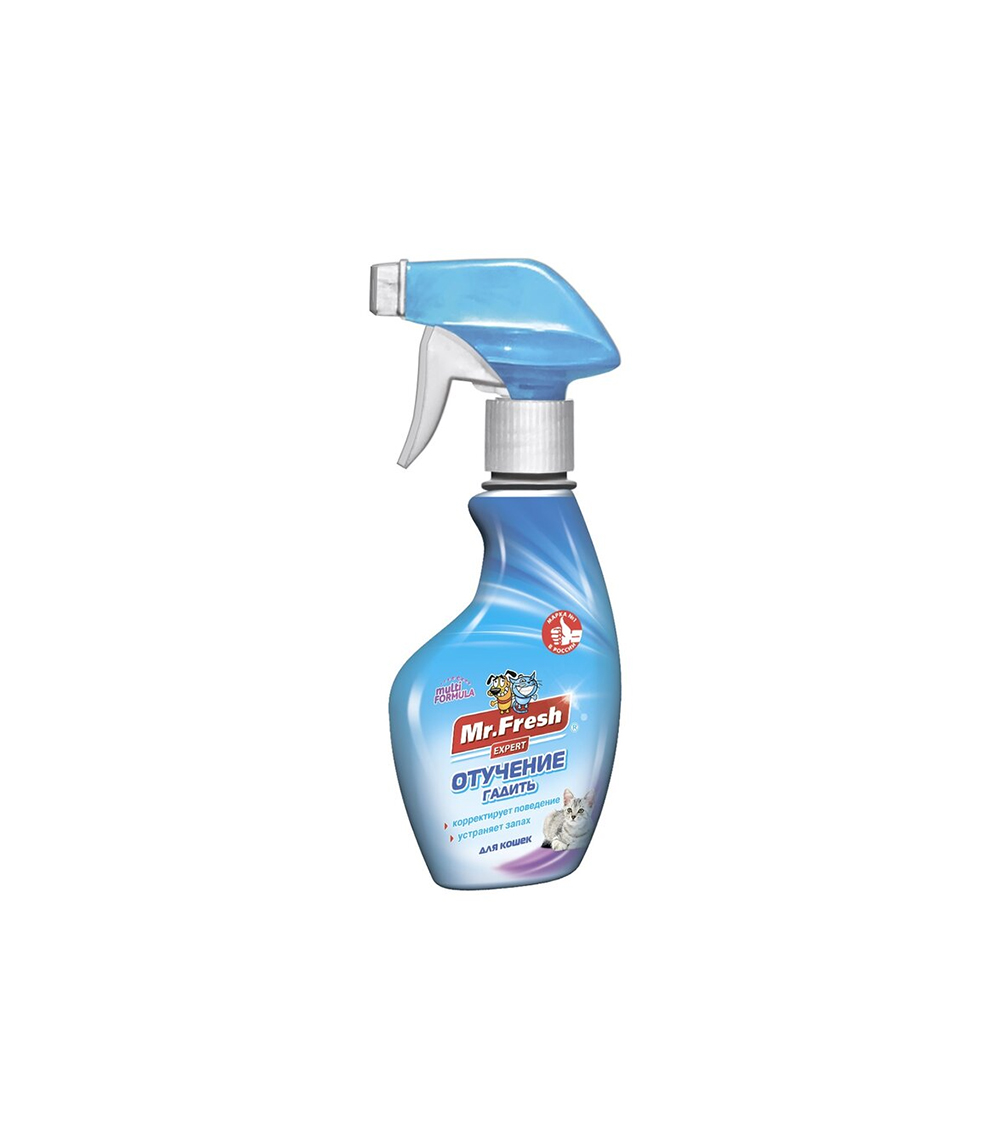
The most important part of cleanup is removing the odor completely. If your puppy can still smell the spot, they will be drawn back to it again and again. A high-quality odor-eliminating product like the Mr. Fresh Expert Dog Location Habituation Spray is designed to neutralize the smells that ordinary cleaners leave behind, helping you break the cycle and prevent repeat accidents in the same location.
Common Mistakes to Avoid
- Giving too much freedom too soon. Keep your puppy in a supervised area until they are reliably trained.
- Inconsistent feeding times. Irregular meals make bathroom timing unpredictable.
- Punishing accidents. This creates fear and slows the entire process.
- Skipping the reward. Praise and treats are what make the lesson stick.
Frequently Asked Questions
How long does it take to potty train a puppy?
Most puppies are fully house-trained between four and six months of age, though the timeline varies by breed, size, and consistency of training. Some learn in a few weeks, while others take several months.
What is the best age to start potty training?
You can start as soon as you bring your puppy home, typically around eight weeks of age. Early, gentle, consistent training sets the stage for faster results.
Should I use puppy pads?
Puppy pads can be useful for apartment dwellers or during bad weather, but they can also slow the transition to outdoor training because they teach your puppy that going indoors is acceptable. If you use them, place them near the door and transition outside as soon as possible.
Why does my puppy have accidents after being outside?
This often happens when a puppy gets distracted outdoors and forgets to go. Stay outside a little longer, keep the area quiet, and make sure to reward the moment they finish their business.
Final Thoughts
Potty training takes time, patience, and a whole lot of consistency, but it is one of the most rewarding investments you will make in your relationship with your puppy. Stick to a routine, reward success, clean up accidents properly, and you will have a reliably house-trained companion before you know it.