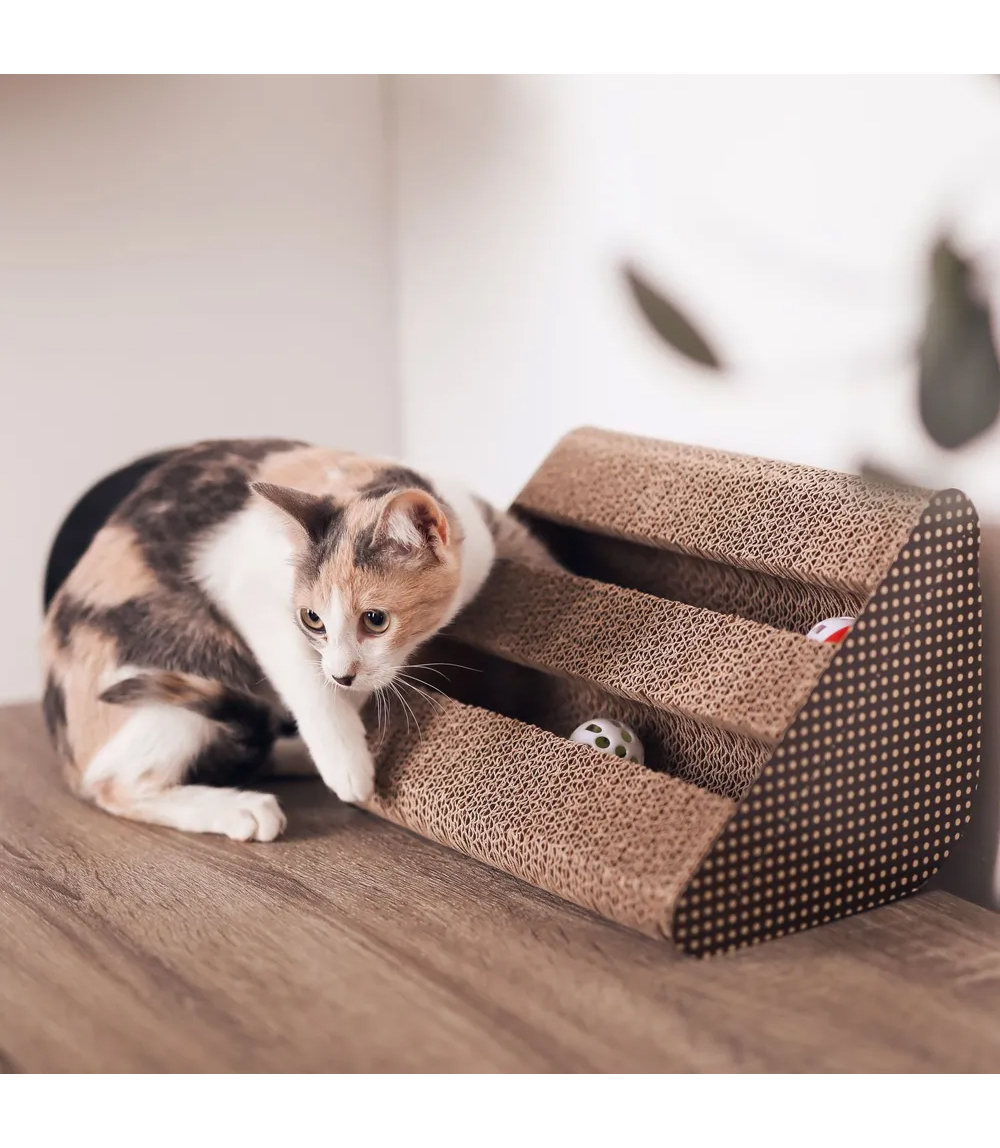

If you’ve ever watched your cat rhythmically push their front paws into a soft blanket, your lap, or even your chest, you’ve witnessed kneading — often affectionately called “making biscuits.” It’s one of the most common (and most adorable) feline behaviors, yet it leaves many cat owners wondering exactly what’s going on inside that fuzzy little head.
Is your cat trying to tell you something? Are they marking you? Are they just weird? The short answer: kneading is completely normal, and in most cases it’s a very good sign. Below, we break down the science and instincts behind this behavior, why it sometimes hurts, and how to live happily with a dedicated “biscuit maker.”
What Is Kneading?
Kneading is the rhythmic, alternating motion a cat makes by pressing their front paws down and pulling them back, usually with claws gently extended. Cats do it against soft surfaces — blankets, pillows, plush cat beds, your sweater, and even other pets or people. Some cats purr while they knead, some drool, and others get so relaxed they drift off to sleep mid-biscuit.
The behavior is instinctive rather than learned. Virtually all cats knead at some point in their lives, regardless of breed, age, or whether they were hand-raised or raised by their mother.
The Science Behind Kneading
From a biological perspective, kneading is a deeply wired reflex rather than a conscious decision. The motion activates the same alternating paw-pushing pattern kittens use while nursing, and it’s thought to be driven by a combination of instinct and positive memory. Some researchers believe kneading also stimulates the scent glands in a cat’s paw pads, releasing pheromones that mark territory and create a feeling of security. Whether your cat is pushing against a blanket, your lap, or the arm of the couch, their brain is running an ancient program that says: this is safe, this is comfortable, this is mine. Understanding that kneading is instinctive — not a habit you taught and not a behavior you can “fix” — is the key to responding to it with patience rather than frustration.
Why Do Cats Knead?
There isn’t a single universal answer — experts believe kneading serves several purposes, and your cat’s reasons can change depending on the situation. Here are the most widely accepted explanations.
1. A Kittenhood Instinct
The most common theory traces kneading back to nursing. Newborn kittens knead their mother’s belly while feeding, and this motion stimulates milk flow. Because nursing is associated with warmth, safety, and a full belly, many cats carry the behavior into adulthood as a comforting habit. A cat that kneads you is essentially saying they feel as safe and content with you as they did with their mother.
2. Marking Territory
Cats have scent glands in their paw pads. When they knead, they release pheromones that mark the surface as their own. So when your cat kneads your lap, your favorite throw blanket, or their bed, they’re leaving behind an invisible “this is mine” signature. It’s a subtle, scent-based way of claiming the people and places they love.
3. Creating a Comfortable Spot
This behavior has roots in your cat’s wild ancestors. Before settling down to sleep, wild cats would pat down tall grass and leaves to create a soft, safe, hidden resting spot. Modern house cats may retain this instinct, kneading their bedding to “fluff” it before curling up for a nap.
4. A Sign of Contentment and Affection
Most of the time, a kneading cat is a happy cat. The behavior is frequently paired with purring, slow blinks, and a relaxed posture — all classic signs of feline bliss. When your cat kneads you, take it as a compliment: they feel safe, loved, and completely at ease in your presence.
5. Mating-Related Behavior
Female cats in heat may knead as part of courtship behavior, often accompanied by loud vocalizations and extra affection. This is hormonal and usually subsides after the heat cycle ends. If your cat is not spayed, kneading paired with yowling and restlessness could be a sign she’s in heat.
Do All Cats Knead? Frequency and Individual Differences
Most cats knead at some point, but the habit varies enormously from one cat to the next. Some are dedicated biscuit makers who knead every soft surface in sight, while others only knead occasionally, and a few never do it at all. The differences come down to personality, early experiences, and simple individual preference. Kittens who nursed longer or were raised by their mothers may knead more enthusiastically, while cats weaned very early sometimes knead and suckle more intensely as adults. Breed plays a small role too — social, affectionate breeds like Ragdolls and Siamese are often enthusiastic kneaders — but any cat can be a biscuit maker. There’s no “normal” frequency; what matters is that the behavior is relaxed and comfortable, not obsessive.
Kneading Combined with Other Behaviors: What They Mean Together
Kneading rarely happens in isolation, and the behaviors that accompany it tell you a lot about your cat’s mood.
Kneading and purring
This is the classic contented combination. A purring, kneading cat is relaxed, happy, and self-soothing — the adult version of a kitten nursing safely beside its mother.
Kneading and drooling
Some cats drool a little while kneading. This is usually harmless and simply means your cat is deeply relaxed, though excessive drooling alongside other symptoms can occasionally signal dental issues worth mentioning to your vet.
Kneading and suckling
Kneading accompanied by suckling on a blanket or your sweater is a self-comforting behavior, often seen in cats weaned early. It’s generally harmless, but if your cat is ingesting fabric, redirect them to a safe, non-fraying material.
Kneading and slow blinking
Slow blinks are a feline sign of trust and affection. Combined with kneading, they mean your cat is feeling completely safe and content in your company.
Why Does Kneading Sometimes Hurt?
If your cat kneads you — particularly on your lap, stomach, or chest — those extended claws can quickly go from sweet to painful. Your cat isn’t trying to hurt you; they’re simply relaxed and letting their natural reflex take over, claws and all. The good news is that there are gentle ways to redirect the behavior without discouraging the affection behind it.
How to Handle Kneading (and Protect Yourself)
You don’t want to punish or scare your cat for kneading — that can create stress and damage your bond. Instead, try these cat-friendly strategies:
- Keep a thick blanket nearby. Place a folded throw or a dedicated cat blanket between your cat’s paws and your skin the moment they start kneading.
- Trim their claws regularly. Keeping the tips blunt dramatically reduces the “ouch” factor. If you’re unsure how, ask your vet or groomer for a demonstration.
- Redirect to a soft surface. Gently move your cat onto a plush bed or pillow when they start kneading on you. Praise and pet them so the switch feels positive.
- Use a soft nail cap alternative. Some owners keep a soft blanket over their lap at all times during cuddle sessions.
Remember: never hit, yell at, or roughly push your cat for kneading. It’s a natural, comforting behavior, and reacting harshly can confuse and stress your pet.
When Should You Be Concerned?
Kneading itself is almost never a problem. However, watch for these signs, which may warrant a vet visit:
- Sudden excessive kneading combined with restlessness, vocalizing, or pacing could indicate anxiety or pain.
- Kneading accompanied by suckling on fabric is usually harmless, but if it becomes obsessive (to the point of ingesting fabric), it could signal stress or a nutritional issue.
- Loss of appetite, lethargy, or hiding alongside any behavior change always deserves a professional check.
In the vast majority of cases, kneading is simply a sign of a contented, well-adjusted cat. Enjoy it — it means you’ve earned your cat’s trust.
Fun Facts About Kneading
Kneading has picked up plenty of colorful nicknames and trivia over the years. Here are a few favorites:
The phrase “making biscuits” comes from the way a cat’s paws press and flex like a baker working dough.
Kneading is also called “making muffins” in some households, for the same reason.
Cats typically alternate their paws in a steady rhythm, and some cats have a clear “dominant” paw they lead with.
A cat’s paw pads contain scent glands, so every knead leaves behind a faint territorial signature you can’t smell.
Some cats knead with claws fully extended, while others keep them politely retracted — both are normal.
Wild cats, including lions and tigers, have been observed kneading soft ground, suggesting the behavior is ancient.
How to Encourage Healthy Kneading
Since kneading is a sign of comfort, you don’t need to discourage it — just channel it somewhere comfortable for both of you. Provide a dedicated, soft “biscuit blanket” or a plush cat bed that your cat can knead to their heart’s content. Place it in a spot your cat already loves, like the couch or your bed, so it becomes the natural go-to surface. When your cat starts kneading on you, gently slide the blanket under their paws and offer praise. Reward relaxed kneading with quiet affection, and keep those claws trimmed so the experience stays pleasant for everyone. A happy, well-supported kneader is simply a cat that feels completely at home.
Why Kneading Helps Cats Relax
There’s a reason kneading so often leads straight to a nap: the act itself is calming. The steady, repetitive motion has a soothing, almost meditative quality, and for many cats it’s strongly tied to the warmth and safety of kittenhood. As a cat kneads, their body releases tension, their breathing slows, and they often transition seamlessly into a deep, contented sleep. This is why kneading frequently appears right before bedtime or after a satisfying meal — it’s part of a cat’s wind-down ritual. If your cat kneads a blanket and then curls up to sleep, you’re watching a self-soothing routine that’s been refined over thousands of years of feline evolution. It’s one of the clearest signs that your cat feels completely at ease in your home.
Kneading in Multi-Cat Homes
If you share your home with several cats, you may notice that kneading has a social dimension too. Some bonded cats knead each other, a behavior that mirrors the comfort of nursing siblings and reinforces their bond. Others knead shared blankets or beds as a way of layering their scents and claiming a communal space. In multi-cat households, you might even see one cat “wait their turn” to knead a favorite spot. None of this is cause for concern — it’s simply more evidence that kneading is a comfort-seeking, territory-marking behavior deeply woven into how cats relate to their world and to each other.
Frequently Asked Questions
Why does my cat knead and purr at the same time?
Kneading and purring together is a strong indicator of relaxation and happiness. Your cat is self-soothing and expressing contentment, much like a kitten nursing at its mother’s side.
Is kneading a sign my cat was weaned too early?
Not necessarily. While cats weaned very early may knead (and suckle) more intensely, kneading is normal across all cats regardless of weaning age. It’s a deeply ingrained instinct, not a “damage” marker.
Should I stop my cat from kneading?
No. Kneading is healthy, natural, and a sign of a happy cat. If the claws are the issue, redirect to a blanket or keep their nails trimmed rather than trying to stop the behavior entirely.
Why does my cat knead before lying down?
This is likely a leftover survival instinct from wild ancestors who patted down grass to make a soft, safe sleeping spot. It’s your cat “fluffing” their bed before settling in.
Do all cats knead?
Most cats knead at some point, but the frequency and intensity vary widely. Some cats are enthusiastic “biscuit makers,” while others rarely do it at all — and both are completely normal.
Kneading is one of the many small ways cats show they feel safe and loved. The next time your cat starts “making biscuits” on your lap, grab a soft blanket, enjoy the purr, and know that you’re officially their favorite person. Looking for a cozy spot to keep your kneading cat comfortable? Browse our cat beds and blankets at zzavik.com.