
Cats are famously fastidious creatures. In fact, most cats spend anywhere from 30 to 50 percent of their waking hours grooming themselves. That meticulous licking, nibbling, and smoothing of fur is completely normal — it keeps the coat clean, regulates body temperature, and even helps cats relax.
But there is a point where normal grooming crosses a line. When a cat licks, chews, or pulls at its fur so much that it creates bald patches, raw skin, or open sores, it has entered over-grooming territory. Veterinarians call this condition psychogenic alopecia, and it affects cats of every age and breed.
The good news? Over-grooming is treatable. The first step is understanding why it is happening.
What Is Over-Grooming in Cats?
Over-grooming, also known as psychogenic alopecia or compulsive grooming, is a behavior in which a cat grooms itself excessively. Unlike routine washing, over-grooming is so frequent and intense that it damages the coat and skin. Affected cats often focus on one area — most commonly the belly, inner thighs, flanks, or lower back — and lick until the fur thins or disappears entirely.
It is easy to mistake over-grooming for normal cleanliness because licking is a natural feline behavior. The difference is the outcome: bald spots, broken hairs, redness, scabs, and skin that never gets a chance to heal.
Why Do Cats Over-Groom?
Over-grooming rarely has a single cause. In most cases, it stems from either a medical issue, a behavioral problem, or a combination of the two.
Medical Causes
Before assuming your cat is simply stressed, it is important to rule out physical problems. Common medical triggers include:
- Flea allergies: Just one flea bite can trigger intense itching in a sensitive cat.
- Food or environmental allergies: Ingredients like chicken, beef, or grains, or allergens like pollen and dust, can make the skin itch.
- Parasites: Mites, ringworm, and other skin parasites cause irritation.
- Skin infections: Bacterial or yeast infections can make skin feel uncomfortable.
- Pain: Cats may lick a specific spot to soothe pain from arthritis, dental disease, or an old injury.
Behavioral Causes
When a vet has ruled out medical issues, stress and anxiety are usually the culprits. Cats are creatures of habit, and even small disruptions can trigger compulsive grooming, including:
- Moving to a new home
- The arrival of a new pet or baby
- Changes in the household routine
- Loud noises or construction
- Lack of stimulation or boredom
- Conflict with other cats in the home
For many cats, grooming releases endorphins — the body’s natural “feel-good” chemicals — which is why it becomes a self-soothing habit during stressful periods.
Medical Causes in Depth: Allergies, Parasites, and Pain
Because so many cases of over-grooming start with a physical problem, it’s worth understanding the most common medical triggers in more detail.
Flea allergy dermatitis
Even a single flea bite can trigger days of intense itching in a sensitive cat. Flea allergy dermatitis is one of the most common causes of over-grooming, and the telltale sign is hair loss and scabbing around the lower back and base of the tail. Year-round flea prevention is the most effective defense.
Food and environmental allergies
Allergies to ingredients like chicken, beef, fish, or dairy — or to environmental triggers like pollen, dust mites, and mold — commonly cause itchy skin that drives over-grooming. Food allergies often respond to a strict elimination diet, while environmental allergies may need medication or allergy testing.
Pain and discomfort
Cats frequently lick a painful area in an attempt to soothe it. Arthritis in the hips or lower back, dental pain, a urinary tract infection, or an old injury can all produce focused over-grooming. If the licking centers on one specific spot, pain should be high on your list of suspects.
Behavioral Causes in Depth: Common Stress Triggers
When medical issues are ruled out, the cause is usually psychological — and cats are remarkably sensitive to change. The most common stress triggers include moving to a new home, the arrival of a new pet or baby, a change in your work schedule, loud renovations, or conflict between cats in the household. Even positive changes, like a new family member or a home remodel, can unsettle a routine-loving cat. For many cats, grooming releases endorphins that temporarily ease anxiety, which is why it becomes a compulsive habit. The good news is that behavioral over-grooming responds well to stress reduction, enrichment, and a predictable routine — the same tools you’d use to help any anxious cat settle.
Understanding Normal Grooming vs. Over-Grooming
To spot a problem early, it helps to know what healthy grooming looks like. A normal cat grooms in short, relaxed bursts throughout the day — after eating, after using the litter box, or during quiet moments — and the coat stays full, soft, and free of bald spots. Over-grooming looks different: long, intense sessions focused on one area, often to the point where the cat ignores food, play, or even your presence. The grooming may look frantic rather than leisurely, and the results speak for themselves in the form of thinning fur, redness, or sores. If you’re ever unsure whether your cat’s licking has crossed the line, snap a photo and ask your vet — a quick check is always worth the peace of mind.
Signs Your Cat Is Over-Grooming
Keep an eye out for these warning signs:
- Bald patches or thinning fur, especially on the belly, inner thighs, and flanks
- Red, inflamed, or broken skin
- Sores, scabs, or oozing spots
- Fur that feels rough or has a “shaved” appearance
- More frequent hairballs than usual
- Grooming that interrupts play, eating, or sleeping
If you notice any of these, it is time to take action.
How to Stop Your Cat from Over-Grooming
1. See Your Veterinarian First
The single most important step is a veterinary exam. Because over-grooming is often rooted in allergies, parasites, or pain, treating the underlying medical issue frequently resolves the behavior on its own. Your vet may recommend flea prevention, a food trial, or medication for skin infections.
2. Reduce Stress and Anxiety
If medical causes are ruled out, focus on lowering your cat’s stress. Provide a quiet, predictable routine with consistent feeding times. Give your cat its own safe space — a bed, a perch, or a quiet room — where it can retreat when it feels overwhelmed. Pheromone diffusers and calming supplements can also help anxious cats settle.
3. Add Environmental Enrichment
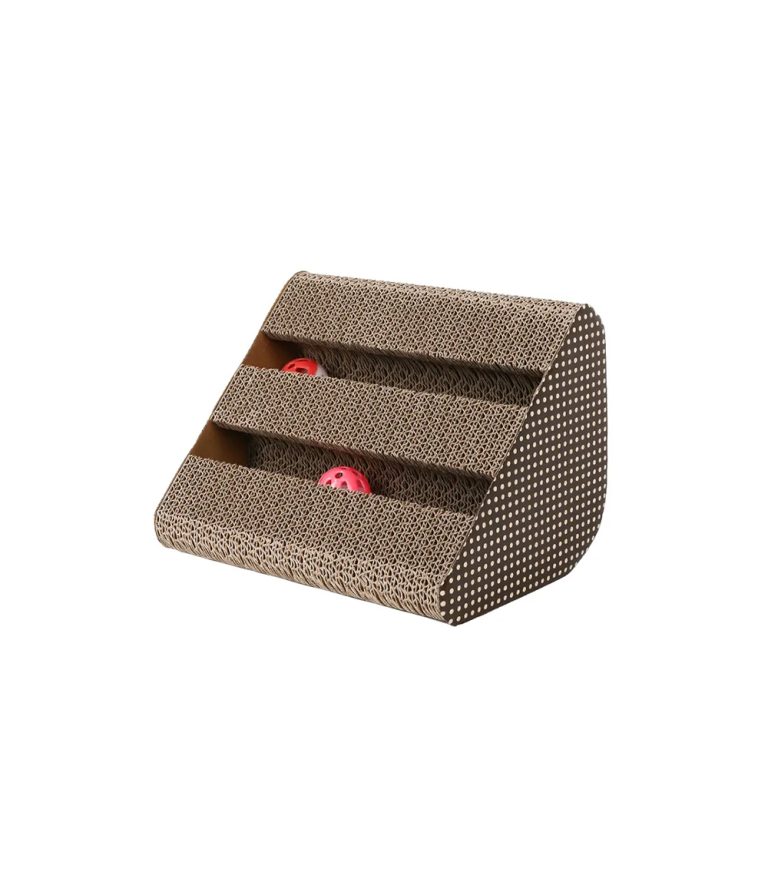
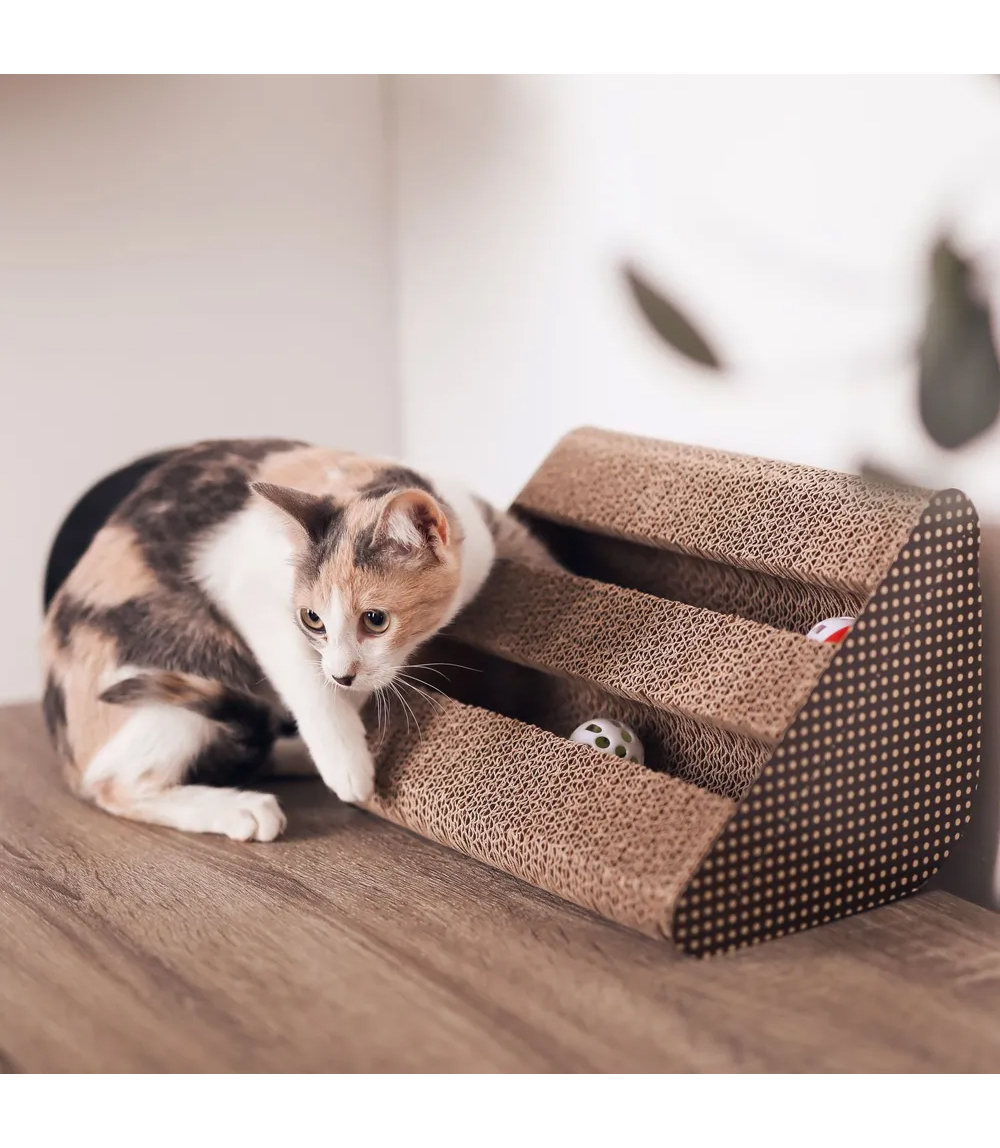
A bored cat is far more likely to over-groom. Increase mental and physical stimulation with puzzle feeders, window perches, scratching posts, and daily play sessions. Even ten minutes of interactive play with a wand toy can make a meaningful difference in your cat’s mood.
4. Rule Out and Treat Allergies
Work with your vet to identify and eliminate allergens. This might mean switching to a hypoallergenic diet, vacuuming more often, or using air purifiers during allergy season. If fleas are the trigger, consistent monthly prevention is essential.
5. Keep the Environment Calm and Consistent
Cats thrive on predictability. If you have recently moved or introduced a new pet, give your cat extra attention and reassurance during the transition. Slowly introduce changes when possible, and avoid punishing your cat for grooming — punishment only increases anxiety and makes the problem worse.
Environmental Enrichment Ideas That Actually Work
A bored cat is far more likely to over-groom, so giving your cat a richer environment is one of the most effective treatments. Here are ideas that make a real difference:
Interactive play sessions with a wand toy, twice a day for 10–15 minutes
Puzzle feeders and food-dispensing toys that make your cat work for meals
A window perch with a view of birds, squirrels, or street activity
Scratching posts and cat trees placed near favorite resting spots
Rotating toys so your cat doesn’t get bored of the same options
Cat-safe plants like cat grass for nibbling
Vertical space, such as shelves or a tall cat tree, for climbing and hiding
Think of enrichment as mental exercise — a cat that’s busy hunting, climbing, and problem-solving has far less energy to spend on compulsive grooming.
Diet and Skin Health: The Nutrition Connection
What your cat eats directly affects the health of their skin and coat, which is why diet is part of the over-grooming conversation. A diet rich in omega-3 and omega-6 fatty acids supports a healthy skin barrier and reduces inflammation, while poor-quality food can leave the skin dry and itchy. If your cat has a suspected food allergy, your vet may recommend a hydrolyzed protein diet or a novel-protein food trial lasting several weeks. High-moisture wet food can also support overall hydration and skin health. Never switch your cat to a “hypoallergenic” or elimination diet on your own — a poorly balanced trial can mask results, so always work with your veterinarian.
Calming Products: Pheromones, Supplements, and More
A growing range of products can help take the edge off a stressed cat. Synthetic feline pheromone diffusers (like Feliway) mimic the calming scents cats use to mark safe territory, and many owners see a noticeable difference within a few weeks. Calming supplements containing ingredients like L-theanine, casein, or alpha-casozepine may also help, though you should always check with your vet before adding anything to your cat’s routine. Some cats benefit from calming treats, while others respond to soothing music or white noise during stressful periods. In more severe cases, your veterinarian may prescribe anti-anxiety medication. These tools work best alongside enrichment and routine changes rather than as a standalone fix.
When to See a Vet
Do not wait if your cat has open sores, is losing large amounts of fur, or seems to be in discomfort. Persistent over-grooming can lead to secondary infections that require medical treatment. A veterinarian can help you build a plan that addresses both the physical and emotional sides of the behavior.
How to Monitor Your Cat’s Progress
Recovery from over-grooming takes time, so tracking progress helps you see what’s working. Take a photo of the affected area once a week so you can compare hair regrowth over time. Note when your cat grooms most — after a stressful event, at a certain time of day, or in a specific room — and look for patterns. Keep a simple log of appetite, litter box habits, and energy level, since these reflect overall well-being. If hair is regrowing and the grooming sessions are getting shorter and less frequent, you’re on the right track. If there’s no improvement after several weeks of consistent effort, circle back to your vet for a revised plan.
Preventing Over-Grooming in the Future
Once your cat’s skin heals and the behavior settles, a few habits can keep over-grooming from returning. Maintain a consistent daily routine for feeding, play, and quiet time, and keep your cat’s environment enriched so boredom never takes hold. Stay on top of flea prevention year-round, and introduce any changes — a move, a new pet, a schedule shift — as gradually as possible. Regular wellness visits help catch allergies, pain, or skin issues before they escalate. Finally, keep an eye on your cat’s baseline grooming habits, because you’re now the expert on what’s normal for them — and early detection is the best prevention of all.
Frequently Asked Questions
Is over-grooming dangerous for cats?
Over-grooming itself is not life-threatening, but it can cause skin damage, hair loss, and secondary infections. It is also a sign that something is wrong — either physically or emotionally — so it is worth investigating.
Can stress really make a cat over-groom?
Yes. Stress and anxiety are among the most common behavioral causes of over-grooming. Grooming releases calming endorphins, so anxious cats may lick compulsively to soothe themselves.
How long does it take to stop over-grooming?
It depends on the cause. Allergies and parasites may improve within weeks of treatment, while behavioral over-grooming can take longer as you reduce stressors and build new routines.
Should I put a cone on my cat?
Only under a vet’s guidance. An e-collar can prevent further skin damage while a treatment plan takes effect, but it does not solve the underlying cause.
If you are looking for more ways to support your cat’s health and comfort, explore our selection of cat supplies and check out our guide to choosing the right cat food.