
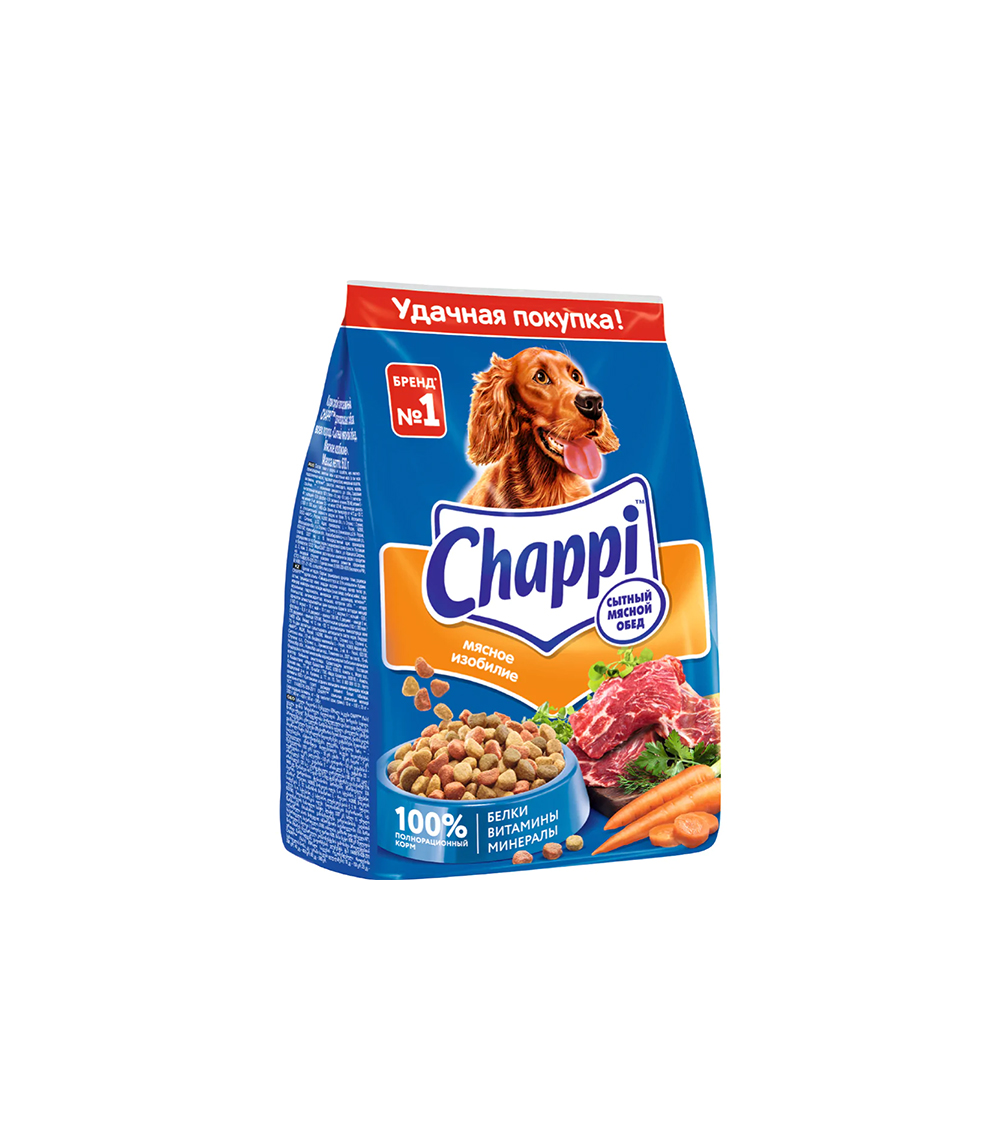
Walk down any pet food aisle and you’ll face a wall of colorful bags, each promising to be “premium,” “natural,” or “vet-recommended.” The truth is, the most important information on that bag isn’t in the marketing copy on the front — it’s in the fine print on the back. Learning how to read pet food labels is one of the most valuable skills you can develop as a pet parent, because it helps you see past the hype and choose food that genuinely supports your dog’s or cat’s long-term health.
In this complete guide, we’ll walk you through the ingredient list, the guaranteed analysis, the AAFCO statement, and the marketing terms that often mean far less than they suggest. By the end, you’ll be able to read any label with confidence.
Why Pet Food Labels Matter
Your pet’s diet affects nearly every aspect of their well-being, from coat condition and energy levels to digestion, immunity, and even behavior. Unlike us, dogs and cats typically eat the same food every single day, so the quality of that one product has an outsized impact. A label is the closest thing you have to a window into what’s actually inside the bag or can, which makes reading it correctly one of the simplest ways to prevent health problems before they start.
Decoding the Ingredient List
The ingredient list is your clearest view into what a food actually contains. Ingredients are listed in descending order by weight, meaning the first few items make up the bulk of the recipe.
Ingredients Are Listed by Weight
The first ingredient should ideally be a named animal protein such as “chicken,” “beef,” “salmon,” or “turkey.” Keep in mind that fresh meat is roughly 70% water, so its position near the top can be slightly misleading — once cooked, much of that water evaporates. A high-quality formula will still list a specific, named protein early, often followed by a concentrated protein “meal” like chicken meal or salmon meal.
Watch for Ingredient Splitting
Some manufacturers “split” plant ingredients into several sub-ingredients — for example, corn, corn gluten meal, and corn bran — so a protein can appear first even when plant sources actually dominate the formula. If you notice multiple variations of the same grain or vegetable scattered throughout the list, they may collectively outweigh the meat.
Named vs. Unnamed Protein Sources
Look for specific sources like “chicken meal” or “salmon meal” rather than vague terms such as “meat meal,” “poultry by-product,” or “animal fat.” Named ingredients give you confidence in exactly what your pet is eating, while generic terms can hide lower-quality, inconsistent ingredients.
Understanding the Guaranteed Analysis
Every label includes a guaranteed analysis panel that lists minimum percentages of crude protein and crude fat, along with maximum percentages of crude fiber and moisture. It’s a useful comparison tool, but it has limits.
Crude Protein, Fat, Fiber, and Moisture
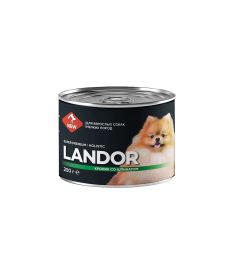
The word “crude” refers to the laboratory method of measurement, not the quality of the nutrient. These percentages help you compare one product to another, but you must account for moisture, which varies dramatically between dry kibble (usually around 10% water) and canned food (often 75–80% water).
Converting to a Dry Matter Basis
Because wet and dry foods contain such different water levels, you can’t compare their protein percentages directly. To compare fairly, convert to a dry matter basis: subtract the moisture percentage from 100 to find the dry matter, then divide the nutrient by the dry matter and multiply by 100. For example, a canned food with 78% moisture and 10% protein delivers roughly 45% protein on a dry matter basis — far more than the label alone suggests.
What “Complete and Balanced” Really Means
The phrase “complete and balanced” is one of the few heavily regulated claims on a pet food label. In the United States, it means the food meets the nutritional profiles established by AAFCO (the Association of American Feed Control Officials) for a specific life stage. Look for an AAFCO statement confirming the food is “formulated to meet” those profiles, or — even better — that “animal feeding tests” using AAFCO procedures verified it provides complete and balanced nutrition.
Life Stages and Nutritional Adequacy
Pet foods are designed for specific life stages: growth and reproduction (puppies and kittens), adult maintenance, and “all life stages.” The nutritional needs of a growing puppy differ sharply from those of a senior dog, so feeding the wrong formula can deliver too many calories or too little of a key nutrient. Match the food to your pet’s current life stage, and adjust as they age.
Marketing Terms: What They Actually Mean
Front-of-bag buzzwords are often loosely defined — or not defined at all. Here’s a quick decoder.
Natural, Organic, Human-Grade, and More
- Natural: Has a specific AAFCO definition (minimally processed, no synthetic additives), but it remains a broad term.
- Organic: Regulated by the USDA and refers to how ingredients are grown, not to the food’s nutritional value.
- Human-grade and premium: These have no official regulatory meaning and are primarily marketing language.
Don’t let these words sway you more than the ingredient list and guaranteed analysis do.
Red Flags to Avoid
As you scan labels, watch for unnamed meat sources, artificial colors and preservatives (such as BHA, BHT, and ethoxyquin), and a long list of by-products without any named protein. A food that leans heavily on corn, wheat, or soy as its primary protein source should raise an eyebrow. Trust specific, recognizable ingredients over vague or overly clever wording.
What Pet Owners Experience After Learning to Read Labels
Pet owners who learn to read ingredient labels often describe the same shift: they stop being swayed by front-of-bag marketing words and start looking at the actual ingredient list. Many report switching foods after realizing their “premium” brand listed corn or unnamed meat by-products first. A common experience is discovering that two foods with similar prices can have very different ingredient quality, and that the AAFCO statement and guaranteed analysis matter more than the brand name on the front.
Frequently Asked Questions
What is the most important thing to look for on a pet food label?
A named animal protein as the first ingredient, plus an AAFCO “complete and balanced” statement appropriate for your pet’s life stage.
Is “grain-free” always better?
No. Grain-free isn’t inherently healthier unless your pet has a specific grain allergy or intolerance. Focus on overall ingredient quality instead of a single buzzword.
How do I compare wet and dry food protein levels?
Convert both to a dry matter basis so you’re comparing apples to apples, since wet and dry foods have very different moisture contents.
Does “natural” mean the food is healthy?
Not necessarily. “Natural” refers to minimal processing, not nutritional completeness. Always verify with the AAFCO statement.
The Bottom Line
Reading pet food labels takes a little practice, but it’s one of the best ways to take control of your pet’s nutrition. Focus on named proteins, the AAFCO statement, and the guaranteed analysis — and tune out the marketing noise. For quality food, treats, beds, and everything else your furry friend needs, explore our full collection at zzavik.com.