
If you share your home with a cat, you have almost certainly stepped on a hairball at some point. While hairballs are a normal part of cat ownership, frequent hairballs can be uncomfortable for your cat and a sign that something needs attention.
In this guide, we will explain why cats get hairballs, how to reduce them, and the products that actually help.
What Is a Cat Hairball?
Despite the name, a hairball is rarely round. Cats groom themselves constantly, and their rough tongues pull loose fur into their mouths. Most of that fur passes harmlessly through the digestive system. But when too much fur builds up in the stomach, the cat vomits it up as a wet, tube-shaped mass — the classic “hairball.”
Why Do Cats Get Hairballs?
- Excessive grooming — long-haired breeds like Persians and Maine Coons are more prone.
- Shedding season — hairballs are more common in spring and fall when cats shed heavily.
- Skin irritation or allergies — cats may over-groom itchy skin, swallowing more fur.
- Boredom or stress — some cats groom excessively as a coping behavior.
How to Reduce and Prevent Hairballs
1. Brush Your Cat Regularly
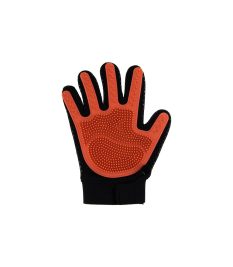
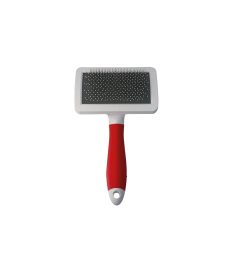
The single most effective thing you can do is brush your cat daily (or at least several times a week). Removing loose fur with a brush means less fur ends up in your cat’s stomach. A gentle grooming session also mimics social grooming and strengthens your bond.
2. Use a Hairball Remedy
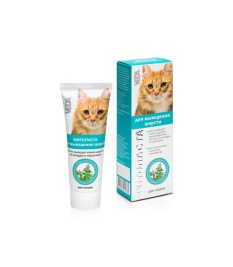
Hairball remedies are flavored gels or pastes that lubricate the digestive tract, helping swallowed fur pass through instead of building up in the stomach. Most cats love the taste, making them easy to administer.
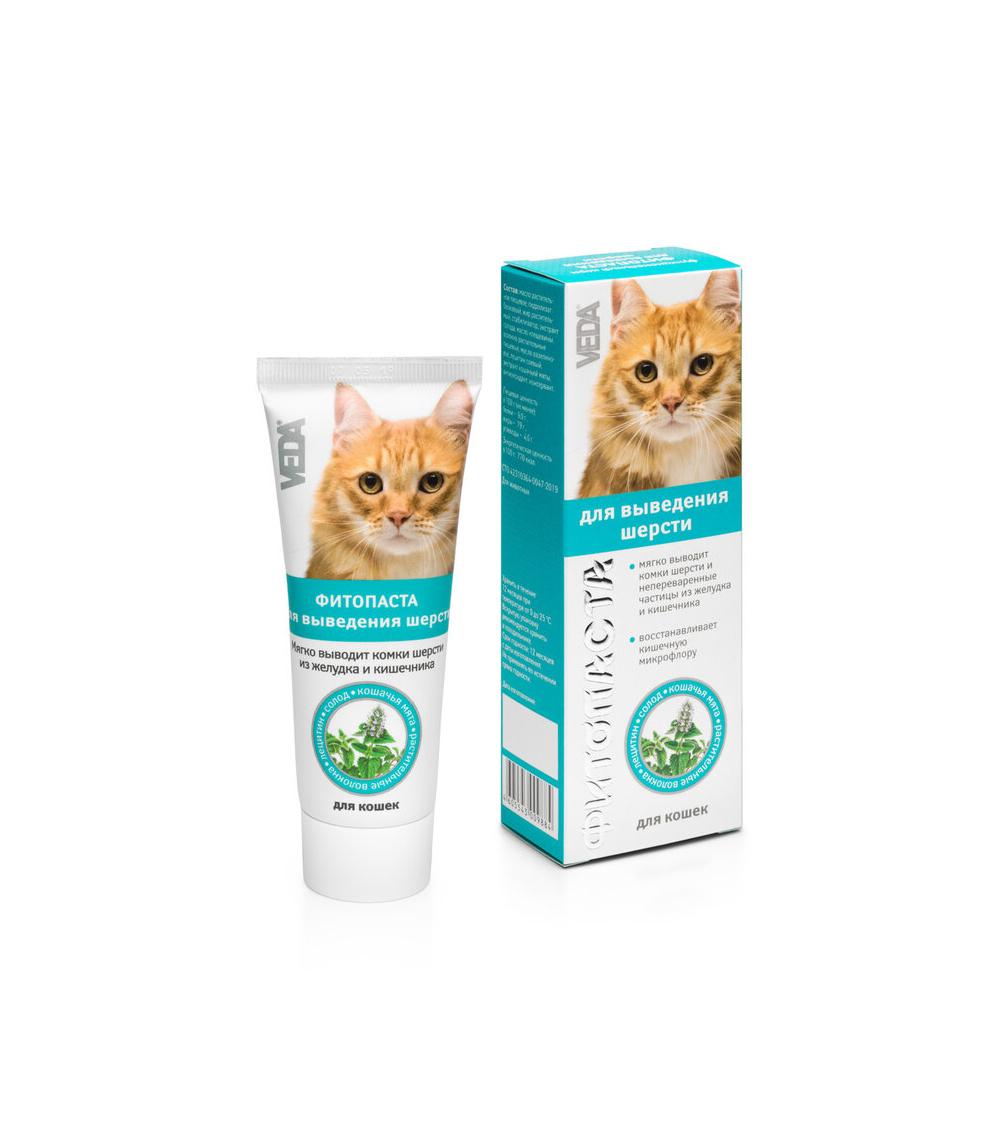
We recommend the Hartz Hairball Remedy Plus Salmon Flavored Paste — a tasty daily supplement that helps prevent and eliminate hairballs.
3. Feed a High-Quality Diet
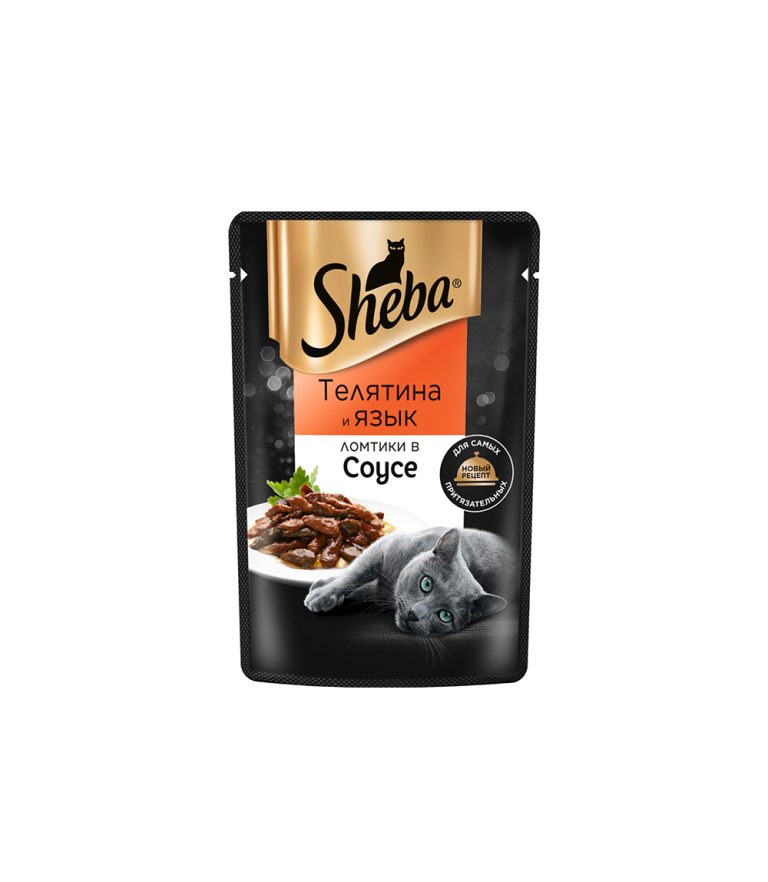
A balanced diet supports healthy skin and a healthy coat, which reduces shedding in the first place. Look for foods with quality protein and omega fatty acids, and make sure your cat has plenty of fresh water to keep digestion moving.
4. Provide Fiber and Cat Grass
Adding a small amount of fiber to your cat’s diet can help move fur through the digestive tract. Many cats also enjoy nibbling cat grass, which provides natural roughage and can aid digestion.
5. Keep Your Cat Active and Entertained
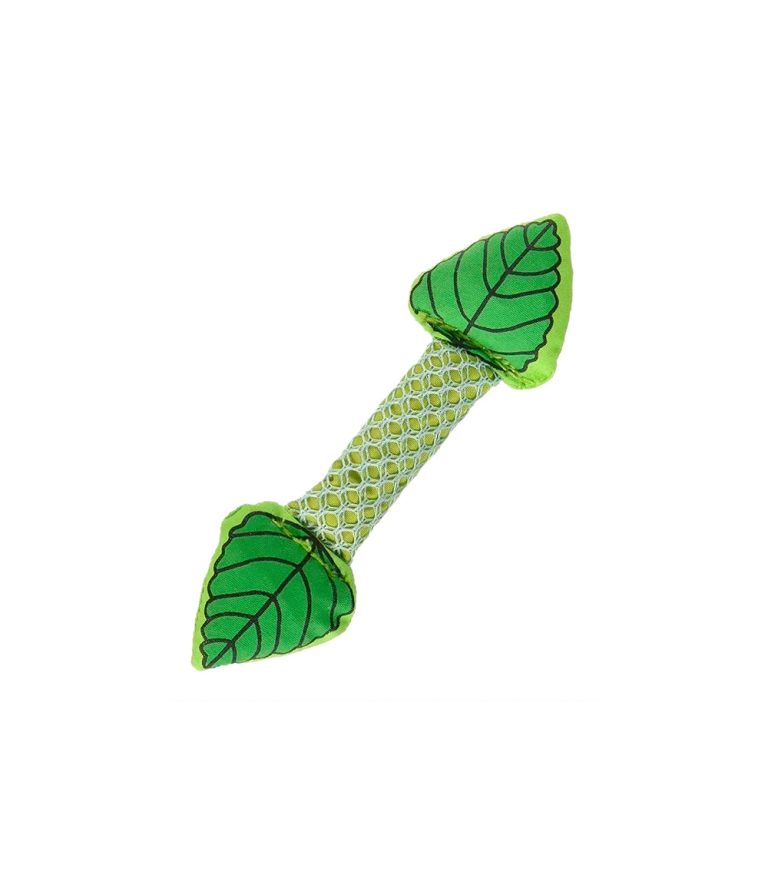
Boredom grooming is a real thing. Provide toys, scratching posts, and playtime to keep your cat mentally stimulated and reduce stress-related over-grooming.
When to See a Vet
Occasional hairballs are normal, but contact your vet if your cat shows any of these signs:
- Frequent vomiting or retching without producing a hairball.
- Loss of appetite or weight loss.
- Lethargy or constipation.
- A swollen or painful abdomen.
These can be signs of an intestinal blockage, which requires immediate veterinary care.
Final Thoughts
Hairballs are a fact of life for cat owners, but they don’t have to be a constant problem. Regular brushing, a good diet, and a quality hairball remedy can dramatically reduce them — keeping both your cat and your carpets happier.
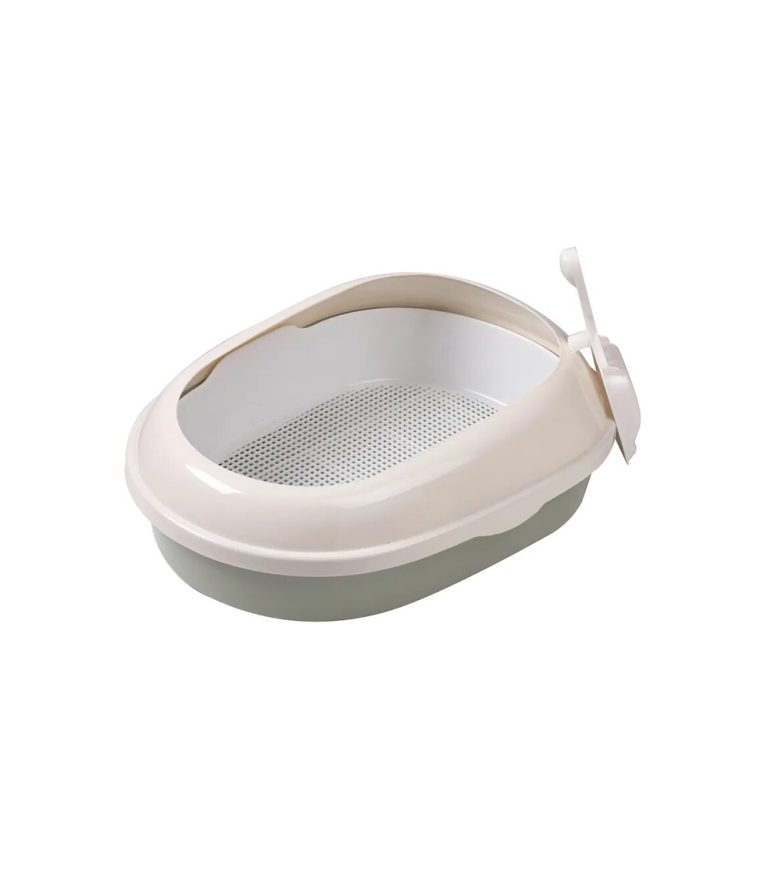
Find everything your cat needs at Zzavik, from hairball remedies to litter boxes and toys.