
Walk down any pet food aisle and you will be met with dozens of brands, formulas, and bold claims. Choosing the right dog food can feel overwhelming — but it doesn’t have to be. The right choice comes down to your dog’s age, size, activity level, and any health needs.
This guide will walk you through everything you need to know to choose a dog food your dog will thrive on. We will cover how to read an ingredient label like a pro, break down the different types of dog food, and give you a simple framework for making a confident choice — no marketing hype required.
Understanding Your Dog’s Nutritional Needs
Dogs are omnivores and need a balanced diet of protein, fats, carbohydrates, vitamins, and minerals. The most important ingredient to look for is a named protein source — like chicken, beef, or lamb — listed first on the ingredient label.
Beyond protein, dogs need quality fats for energy and healthy skin, plus a range of vitamins and minerals that support everything from immune function to bone health. A complete and balanced dog food, as defined by AAFCO (the Association of American Feed Control Officials), is formulated to provide all of these nutrients in the right proportions, so you do not need to add anything extra for a healthy dog.
How to Read a Dog Food Label
The ingredient list is your most useful tool for comparing foods. Here is what to look for:
- Named protein first. Ingredients are listed by weight, so the first few ingredients matter most. Look for “chicken,” “beef,” or “salmon” rather than vague terms like “meat meal” or “animal by-products.”
- Whole, recognizable ingredients. Foods made with whole grains, vegetables, and named protein sources are generally higher quality than those packed with fillers.
- Watch for fillers. Corn, soy, and wheat can be used as inexpensive fillers. They are not inherently harmful, but lower-quality foods rely on them heavily instead of quality protein.
- Check the guaranteed analysis. This lists minimum protein and fat and maximum fiber and moisture. Higher protein and fat percentages generally indicate a more nutrient-dense food.
- Look for an AAFCO statement. A statement confirming the food is “complete and balanced” for your dog’s life stage means it meets established nutritional standards.
Types of Dog Food
Dog food comes in several forms, each with its own strengths. Most owners settle on one type or combine two for the best of both worlds.
Dry Dog Food (Kibble)
Dry food is the most popular choice for good reason — it is affordable, easy to store, and helps keep teeth clean through chewing. Look for formulas with whole ingredients and avoid excessive fillers like corn and soy.
For a high-quality option, check out Neuseeland Sensible Happy Dog Food or Pbka Grain Free Active Dog Food, both formulated for complete daily nutrition.
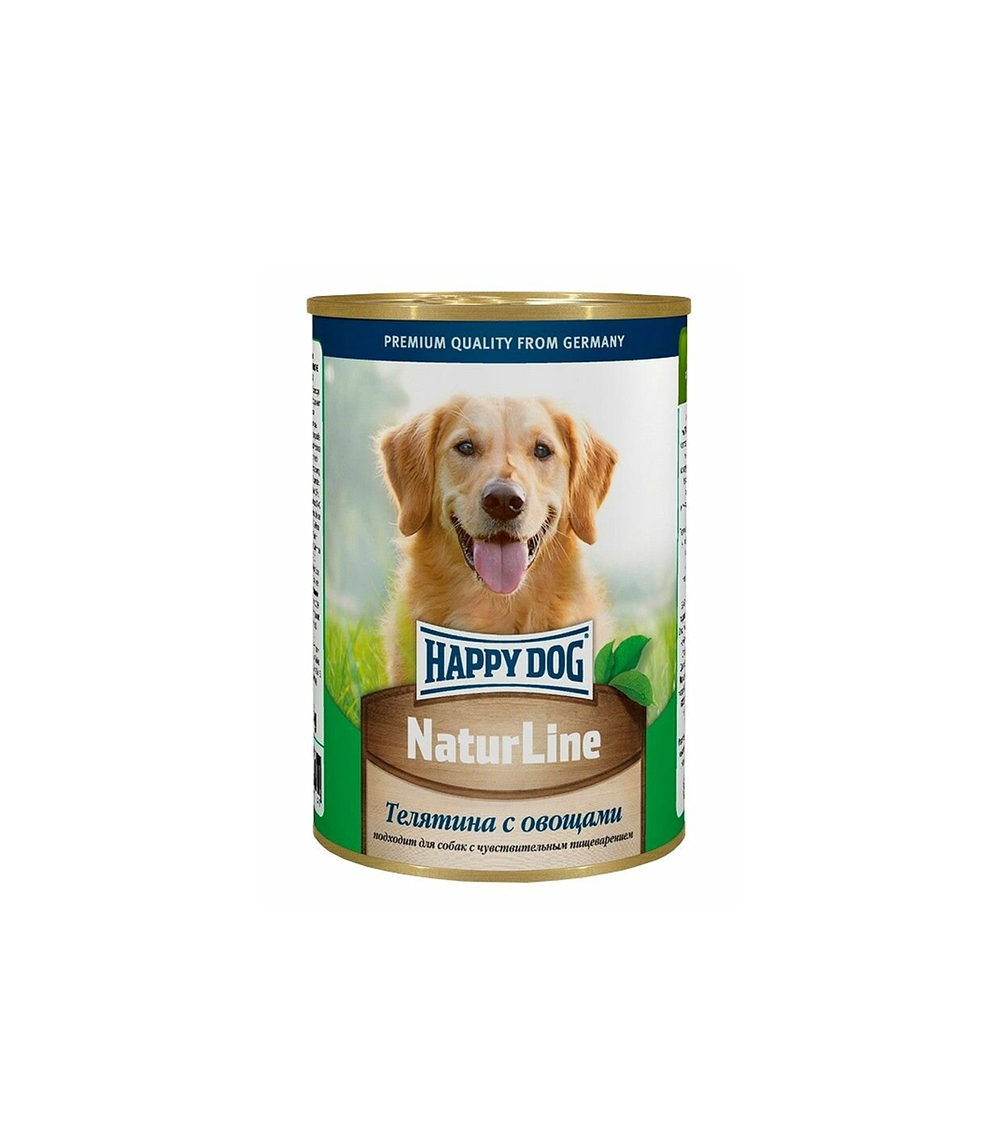
Wet Dog Food (Canned or Pouch)
Wet food has higher moisture content, which is great for hydration, and it is often more palatable for picky eaters. Many owners mix wet and dry food for the best of both worlds.
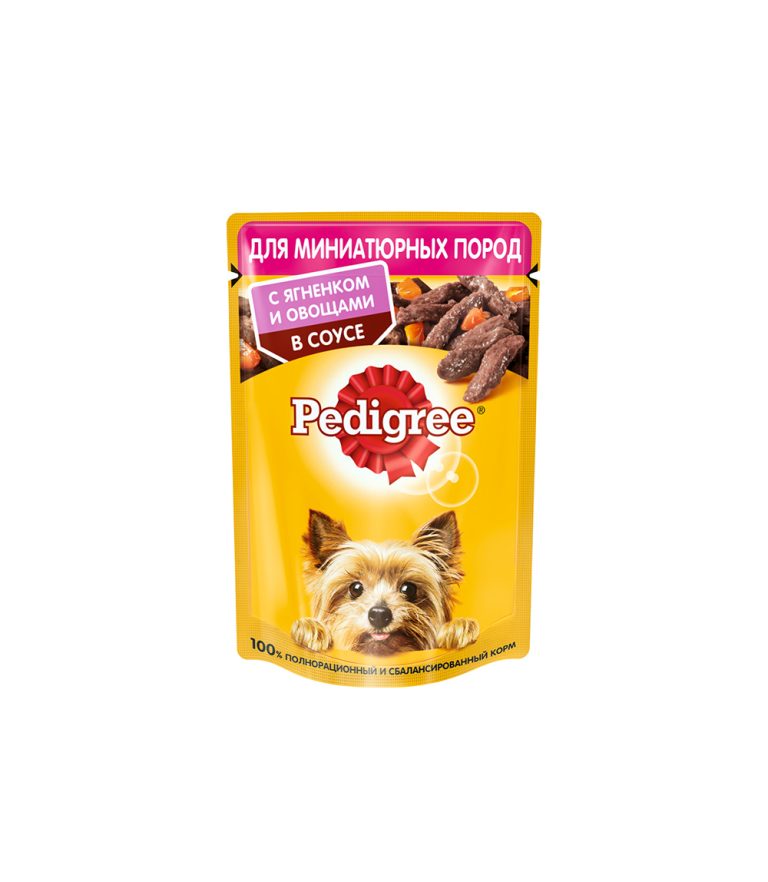
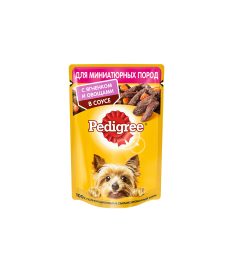
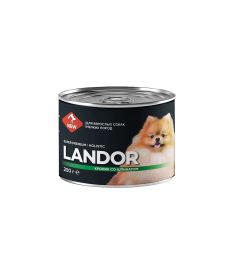
Try Pedigree Adult Wet Dog Food or Amora Meat Pure Wet Dog Food for a tasty, balanced meal.
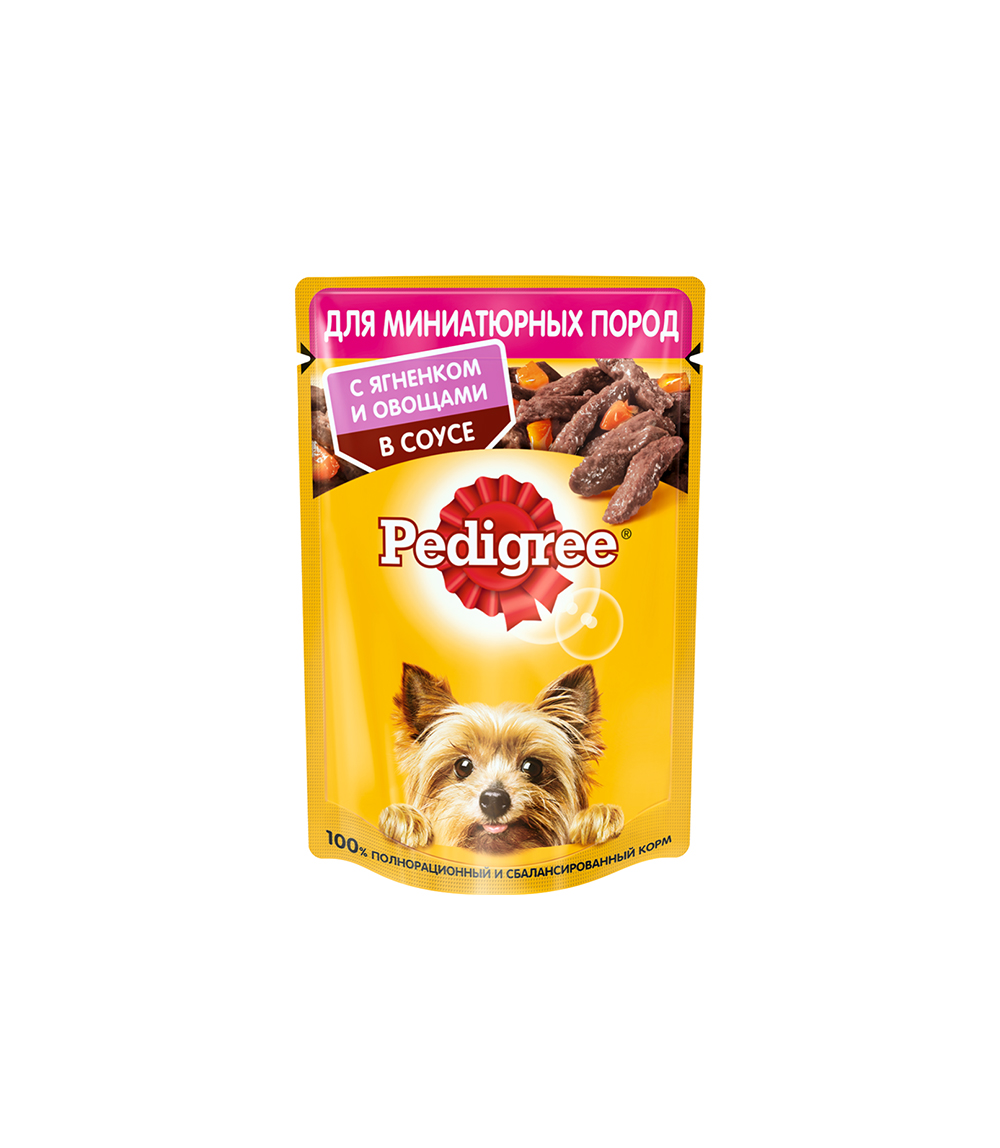
Fresh and Frozen Food
Fresh and gently cooked foods have grown in popularity because they use human-grade ingredients with minimal processing. They are often highly palatable and nutrient-dense, but they cost more and require refrigeration or freezing. If budget allows, fresh food can be an excellent choice for picky eaters or dogs with sensitivities.
Raw and Freeze-Dried Food
Raw diets aim to mimic what a dog’s wild ancestors ate, using uncooked meat, bones, and organs. Proponents report shinier coats and better energy, but raw diets carry a risk of bacterial contamination for both the dog and the household, and they require careful balancing. Freeze-dried raw foods offer a shelf-stable compromise but remain expensive. If you are considering a raw diet, talk to your vet first — it is not the right choice for every dog or every home.
How to Choose the Right Food for Your Dog
Once you understand the options, narrow your choice using these four factors. They will guide you to the right formula far better than any marketing claim.
Consider Life Stage
Puppies, adult dogs, and senior dogs have very different nutritional needs. Puppy food is higher in calories and protein to support growth, while senior formulas are often lower in calories and higher in joint-supporting nutrients.
Feeding a puppy adult food can leave them short on the calories and nutrients they need to grow, while feeding a senior dog puppy food can lead to unnecessary weight gain. Always match the formula to your dog’s current life stage.
Match Activity Level
An active working dog needs more calories and protein than a couch-loving companion. Grain-free and high-protein formulas are often a good fit for energetic dogs.
A highly active dog — a working dog, a serious running partner, or an agility athlete — burns far more energy than a laid-back companion, and a performance formula helps them keep up. A less active dog on the same food is likely to gain weight.
Consider Breed Size
Small-breed dogs burn energy quickly and benefit from calorie-dense, small-kibble formulas that are easy to chew. Large and giant breeds grow fast and need controlled levels of calcium and phosphorus to support healthy bone development, especially as puppies. Many brands now offer size-specific formulas, and they are worth paying attention to.
Address Health Needs
If your dog has food sensitivities, a grain-free or limited-ingredient formula may help. Always consult your vet if your dog has a diagnosed condition like kidney disease, diabetes, or allergies.
Food allergies and sensitivities in dogs most often involve protein sources like beef, chicken, or dairy, not grains. If you suspect a food sensitivity, your vet can guide you through a proper elimination diet to identify the culprit rather than guessing.
How to Switch Dog Foods Safely
When you change foods, do it gradually to avoid digestive upset. A sudden switch can cause vomiting or diarrhea, which is unpleasant for your dog and for you. Follow this simple schedule:
- Days 1-3: 75% old food, 25% new food.
- Days 4-6: 50% old food, 50% new food.
- Days 7-9: 25% old food, 75% new food.
- Day 10: 100% new food.
If your dog has a sensitive stomach, stretch the transition over a full two weeks. Watch for loose stools, and slow down the transition if they appear.
Common Dog Food Myths
- “Grain-free is always better.” Grain-free can help dogs with specific sensitivities, but grains are a healthy, digestible source of energy for most dogs.
- “By-products are always bad.” Quality animal by-products, like organ meat, can be highly nutritious. The concern is vague, low-quality sourcing, not by-products themselves.
- “More protein is always better.” Most dogs thrive on a balanced protein level. Very high protein is not automatically healthier and can be unnecessary for sedentary dogs.
Signs Your Dog Is Thriving on the Right Food
You do not need a lab test to know whether a food is working — your dog will show you. Here are the clearest signs you have found a good fit:
- A shiny, healthy coat. Dull, flaky, or greasy fur often points to a diet missing key fatty acids.
- Steady energy. Consistent energy through the day, without sudden crashes, is a sign of good nutrition.
- Firm, regular stools. Runny, frequent, or very smelly stools can mean the food does not agree with your dog.
- A healthy weight. You should be able to feel your dog’s ribs easily under a thin layer of fat, with a visible waist from above.
- Clear skin and no excessive itching. Persistent scratching, redness, or ear issues can signal a food sensitivity.
If any of these signs are off, consider switching to a different formula or protein source and give the change a few weeks to take effect.
Portion Control and a Healthy Feeding Schedule
Even the best food causes problems when fed in the wrong amount. Obesity is one of the most common health issues in dogs, and it is almost always driven by overfeeding. Follow the feeding guide on the package as a starting point, then adjust based on your dog’s body condition and activity level.
Most adult dogs do well on two meals a day, while puppies typically need three or four smaller meals spread through the day. A consistent schedule supports healthy digestion and makes potty training easier. Measure portions with a proper measuring cup rather than guessing, and account for treats and table scraps, which can quietly add hundreds of extra calories.
What About Treats and Supplements?
Treats should make up no more than about 10% of your dog’s daily calories. Choose healthy options and deduct those calories from meals to keep your dog at a healthy weight. As for supplements, most dogs on a complete and balanced diet do not need any. Exceptions include joint supplements for senior or large-breed dogs, or omega-3 fatty acids for skin and coat health — but always check with your vet before adding anything, since some supplements can interfere with medications or be given in harmful doses.
Feeding by Life Stage in Depth
Life stage is more than a label — it reflects real differences in what your dog’s body needs:
- Puppies need calorie- and nutrient-dense food to fuel rapid growth, with the right balance of calcium and phosphorus for developing bones. Large-breed puppies in particular need a formula designed for controlled growth to protect their joints.
- Adults need a balanced maintenance diet matched to their size and activity level. This is the longest life stage, so finding a food your dog thrives on here matters most.
- Seniors often benefit from lower-calorie food to prevent weight gain as activity slows, plus added joint support and highly digestible protein. Some senior formulas also include ingredients that support brain health.
Transitioning between life stages should be gradual, and it is a good moment to check in with your vet about any changing health needs.
Special Diets: Grain-Free, Limited Ingredient, and Prescription
Beyond standard formulas, you may encounter several specialized diets:
- Grain-free swaps grains for ingredients like potatoes, peas, or lentils. It can help dogs with specific grain sensitivities but is not inherently healthier for every dog.
- Limited-ingredient diets use a short ingredient list, often a single novel protein and one carbohydrate, to help pinpoint food sensitivities. They are a useful tool during an elimination trial.
- Prescription diets are formulated for specific medical conditions such as kidney disease, diabetes, or urinary issues and should only be fed under a veterinarian’s guidance.
If your dog has a diagnosed condition or persistent digestive or skin issues, work with your vet to choose the right specialized diet rather than self-selecting one from the shelf.
Final Thoughts
The “best” dog food is the one your dog does well on — a shiny coat, healthy weight, good energy, and firm stools are all signs you are on the right track. Start with a quality brand, monitor your dog’s response, and adjust as needed.
Shop quality dog food and supplies at Zzavik.
Frequently Asked Questions
How do I know if a dog food is high quality?
Look for a named protein source (like chicken or beef) listed first on the ingredient label and avoid excessive fillers.
How often should I switch dog foods?
If your dog does well on a food, keep it consistent. If you do switch, transition gradually over 7-10 days.
Should I choose grain-free?
Grain-free can help dogs with grain sensitivities, but it is not necessary for every dog — consult your vet.
How much should I feed my dog?
Start with the feeding guide on the package based on your dog’s weight, then adjust to keep your dog at a healthy body condition. Your vet can help you fine-tune the amount.
Is wet or dry food better for my dog?
Both have benefits. Dry food is convenient and affordable, while wet food adds hydration and flavor. Many owners mix the two for a good balance.