
Dental health is one of the most overlooked aspects of dog care, yet it has a huge impact on your dog’s overall well-being. By the age of three, most dogs show signs of dental disease, which can lead to pain, tooth loss, and even serious health problems affecting the heart and kidneys. The good news is that keeping your dog’s teeth clean at home is entirely possible with a consistent routine. Here is how to keep your dog’s smile healthy for years to come.
Why Dog Dental Care Matters
Just like humans, dogs develop plaque and tartar when food particles and bacteria build up on their teeth. Over time, this leads to gum inflammation, bad breath, and eventually periodontal disease. Beyond the mouth, bacteria from dental disease can enter the bloodstream and affect vital organs. Prioritizing your dog’s dental care is one of the simplest ways to add healthy years to their life.
Brush Your Dog’s Teeth Regularly
Brushing is the single most effective thing you can do for your dog’s dental health at home. Use a toothbrush and toothpaste made specifically for dogs — human toothpaste contains ingredients that are toxic to pets. Aim to brush your dog’s teeth daily, or at least several times a week, for the best results.
How to Get Your Dog Used to Brushing
- Start slow. Let your dog lick the toothpaste off your finger first so they associate it with a tasty treat.
- Introduce the brush gradually. Gently touch the brush to their teeth and gums for just a few seconds at first.
- Build a routine. Work up to a full brushing over several days or weeks, always ending on a positive note with praise and a reward.
Dental Chews and Treats
Dental chews are a convenient supplement to brushing. The mechanical action of chewing helps scrape plaque off the teeth, and many dental treats are formulated to reduce bacteria and freshen breath. Look for products with the Veterinary Oral Health Council (VOHC) seal, which indicates the product has been proven to reduce plaque or tartar. Chews should be used as part of a routine, not as a replacement for brushing.
The Role of Diet in Dental Health
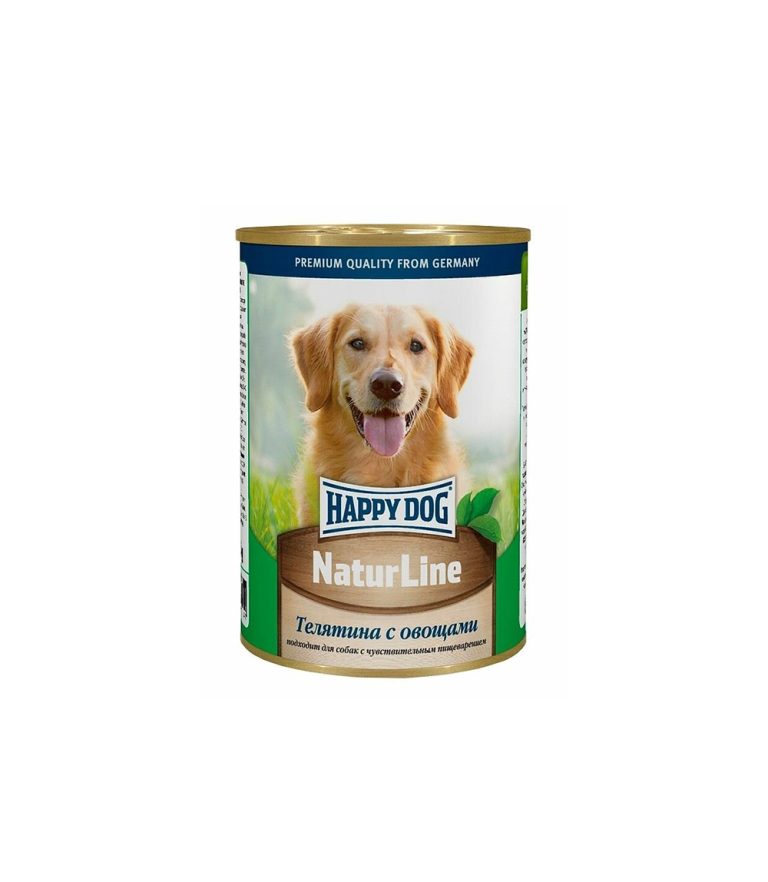
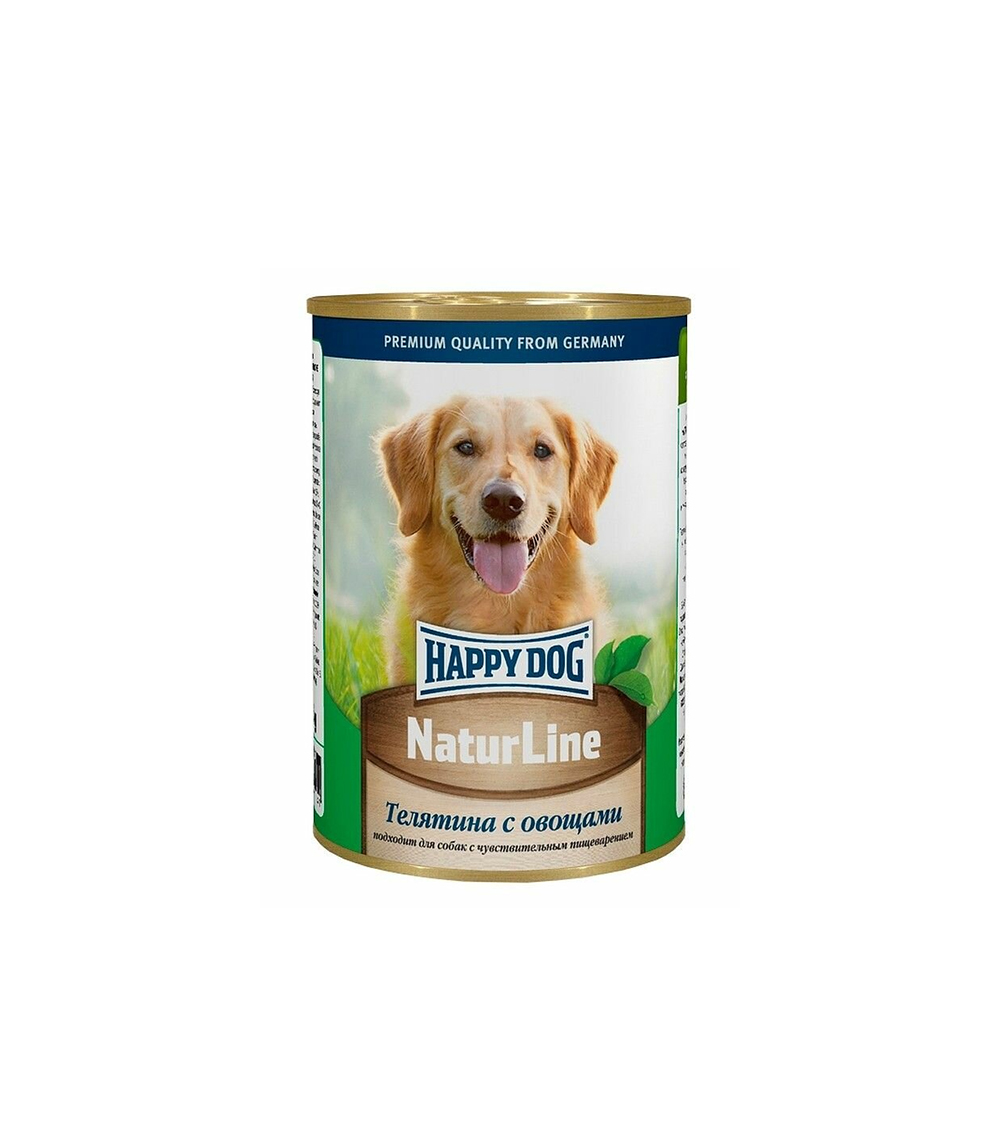
What your dog eats affects their teeth. Dry kibble provides more mechanical cleaning than soft or wet food alone, and specially formulated dental diets are designed to help reduce plaque and tartar buildup. When combined with regular brushing and dental chews, a quality diet gives your dog’s mouth a strong defense against dental disease. To explore the dental care and nutrition options available for your dog, browse the full range at zzavik.com.
Dental Toys and Water Additives
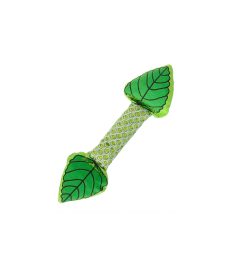
Certain chew toys with textured surfaces can help clean your dog’s teeth while they play. Dental-specific toys and ropes gently scrub the teeth as your dog chews, providing an easy, no-fuss way to support oral health. Water additives are another low-effort option that can help reduce plaque-causing bacteria in your dog’s mouth with every drink.
Watch for Warning Signs
Check your dog’s mouth regularly for signs of trouble, including persistent bad breath, red or bleeding gums, yellow or brown tartar buildup, loose teeth, or difficulty eating. If you notice any of these symptoms, schedule a veterinary dental checkup. Professional cleanings under anesthesia are sometimes necessary to remove tartar below the gum line and treat advanced dental disease.
Frequently Asked Questions
How often should I brush my dog’s teeth?
Daily brushing is ideal, but brushing at least three times a week can still make a meaningful difference in your dog’s dental health.
Can I use human toothpaste on my dog?
No. Human toothpaste contains ingredients like xylitol and fluoride that are dangerous for dogs. Always use toothpaste formulated specifically for pets.
Do dental chews really work?
Yes, dental chews can help reduce plaque and tartar when used regularly, especially products with a VOHC seal. However, they are most effective when combined with brushing.
When should my dog get a professional dental cleaning?
Most veterinarians recommend a professional dental exam at least once a year. Cleanings are typically recommended when there is visible tartar buildup or signs of gum disease.
Final Thoughts
Keeping your dog’s teeth clean is one of the most impactful ways to protect their long-term health. With regular brushing, quality dental chews, a good diet, and routine veterinary checkups, you can help your dog enjoy a healthy mouth and a happy life.