
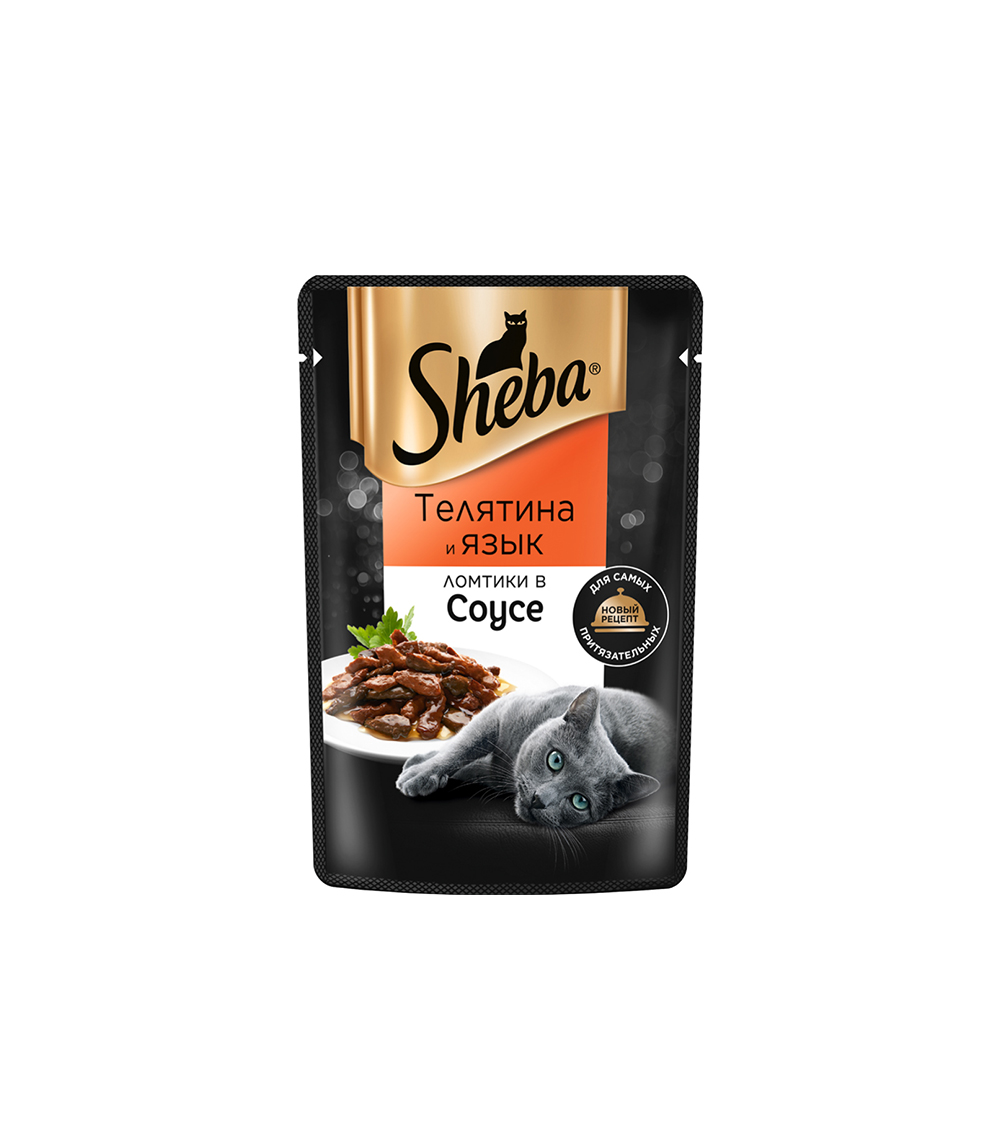
Walk down the pet food aisle and you’ll be met with dozens of brands, formulas, and health claims, all promising to be the best choice for your cat. With so many options, it’s easy to feel overwhelmed. The good news? Choosing the right cat food doesn’t have to be a guessing game. By understanding a few fundamentals about feline nutrition and learning how to read a label, you can pick a food that keeps your cat healthy, energetic, and happy for years to come.
The Obligate Carnivore: Why Animal Protein Matters Most
Cats aren’t just picky eaters — they’re biologically built for meat. As obligate carnivores, their bodies are adapted to get energy and essential nutrients primarily from animal tissue. In the wild, a cat’s natural prey is rich in protein and moisture but low in carbohydrates, and domestic cats retain those same nutritional requirements. This is why plant-based protein can’t simply replace meat in a cat’s diet: cats need specific nutrients — like taurine, arachidonic acid, and preformed vitamin A — that are found naturally only in animal sources. When you’re evaluating cat food, the single most important question is whether high-quality animal protein leads the ingredient list. Everything else is secondary.
Understanding Your Cat’s Nutritional Needs
Cats are obligate carnivores, which means their bodies are designed to get most of their nutrition from animal protein. Unlike dogs (which are more adaptable omnivores), cats have a hard time surviving and thriving on plant-based protein alone. A quality cat food should list a named animal protein — such as chicken, turkey, salmon, or beef — among the first ingredients.
There are a few nutrients that are especially critical for cats:
- Protein: Cats need significantly more protein than dogs. Look for foods where animal protein is a primary ingredient.
- Taurine: An essential amino acid that cats cannot produce enough of on their own. A taurine deficiency can lead to serious heart and eye problems, so check that it’s included in the formula.
- Fatty acids: Omega-3 and omega-6 fatty acids support healthy skin, a shiny coat, and overall cell function.
- Water: Cats naturally have a low thirst drive and often don’t drink enough water on their own, which is why wet food can be a valuable part of their diet.
Key Nutrients Explained: Taurine, Omega Fatty Acids, and More
Beyond protein, a handful of nutrients deserve special attention when you’re comparing cat foods.
Taurine
Taurine is an amino acid that cats can’t produce in sufficient amounts on their own, so it must come from their diet. A deficiency can lead to serious heart disease, retinal degeneration, and reproductive problems. Most commercial cat foods are fortified with taurine, but it’s worth confirming it’s present — especially in any homemade or unusual diet.
Omega-3 and Omega-6 Fatty Acids
These essential fats support a glossy coat, healthy skin, and a strong immune system. Omega-3s, often sourced from fish oil, also have anti-inflammatory benefits that can help cats with skin conditions, arthritis, or kidney issues. Look for named fat sources like chicken fat or salmon oil rather than generic “animal fat.”
Vitamins and Minerals
Calcium and phosphorus must be present in the right ratio for healthy bones and teeth, while vitamins A, D, E, and B-complex support everything from vision to metabolism. A complete and balanced formula (look for the AAFCO statement) should supply these in appropriate amounts, so you don’t need to supplement on your own.
Key Factors to Consider When Choosing Cat Food
Life Stage
Your cat’s nutritional requirements change over time, so match the food to their stage of life:
- Kittens need extra calories, protein, and fat to support rapid growth and development.
- Adult cats (roughly 1–7 years old) benefit from a balanced maintenance formula.
- Senior cats (7+ years) may need food that’s easier to digest, with adjusted calorie levels and added joint or kidney support.
Look for labels that clearly state the formula is intended for a specific life stage, or one labeled “for all life stages” if you have a multi-cat household.
Health Conditions and Special Needs
Many cats have unique dietary needs. If your cat has been diagnosed with a health condition — such as kidney disease, diabetes, urinary tract issues, food allergies, or obesity — your veterinarian may recommend a therapeutic or prescription diet. For otherwise healthy cats, you might simply look for formulas that address common concerns like hairball control, sensitive stomachs, or weight management.
Wet vs. Dry Food
Both wet and dry food have their place, and many cat owners find that a combination works best:
- Wet food has high moisture content (typically 70–80%), which helps support hydration and urinary tract health. It’s also often more palatable and easier to eat for senior cats or those with dental issues.
- Dry food is convenient, more affordable per serving, and can be left out for free-feeding. Its crunchy texture may also help reduce tartar buildup.
The best approach for many cats is a mix: serve wet food for hydration and dry food for convenience, while keeping portion sizes in check.
How to Read a Cat Food Label
Understanding the label is one of the most valuable skills you can develop as a cat owner. Here’s what to look for:
Ingredient List
Ingredients are listed by weight, from most to least. A named meat source (like “chicken” or “salmon”) near the top is a good sign, whereas vague terms like “meat meal” or “animal by-products” offer less clarity. Keep in mind that “chicken meal” is simply dehydrated chicken with the water removed, so it’s actually a concentrated protein source and not something to avoid automatically.
Guaranteed Analysis
This section lists the minimum percentages of protein and fat, along with the maximum percentages of fiber and moisture. While it doesn’t tell you everything about quality, it gives you a useful way to compare two products side by side. In general, look for a decent protein percentage (many quality dry foods are 30% protein or higher).
AAFCO Statement
The Association of American Feed Control Officials (AAFCO) sets nutritional standards for pet food. A statement like “formulated to meet the nutritional levels established by the AAFCO Cat Food Nutrient Profiles” means the food is complete and balanced for the stated life stage. This is a good baseline indicator that the food provides the essential nutrients your cat needs.
Feeding Schedule and Portion Control
What you feed matters, but so do how much and how often. Most adult cats do well with two measured meals a day, while kittens need three or four smaller meals to support rapid growth. Free-feeding — leaving a full bowl out all day — works for some cats but makes it easy to overeat, especially for less active indoor cats. Use the feeding guidelines on the package as a starting point, then adjust based on your cat’s body condition: you should be able to feel their ribs easily without seeing them. If you’re unsure whether your cat is at a healthy weight, your vet can help you set a target and a portion plan.
How to Transition Your Cat to a New Food
Cats have sensitive stomachs and strong opinions, so switching foods too quickly is a common cause of digestive upset and refusal to eat. The fix is a slow, gradual transition. Over the course of about 7 to 10 days, mix the new food into the old in steadily increasing amounts. A typical schedule is 25% new food for the first few days, then 50%, then 75%, before going to 100%. Go even slower for cats with sensitive stomachs or a history of food issues. If your cat refuses the new food, don’t give up immediately — some cats need several exposures to accept a new flavor. Warming wet food slightly or mixing in a little of the old food can help win over a picky eater.
Common Mistakes to Avoid
- Choosing by price alone: The most expensive food isn’t always the best, and the cheapest may lack quality ingredients. Focus on the label rather than the price tag.
- Switching foods too quickly: Cats can be sensitive to sudden diet changes. Transition gradually over 7–10 days by mixing increasing amounts of the new food with the old.
- Overfeeding: Obesity is one of the most common health problems in cats. Follow the feeding guidelines on the package and adjust based on your cat’s activity level and body condition.
- Ignoring your cat’s preferences: Even the highest-quality food won’t help if your cat refuses to eat it. Sometimes a little trial and error is necessary.
Frequently Asked Questions
How often should I feed my cat?
Most adult cats do well with two meals per day, while kittens may need three or four smaller meals. Consistency matters more than the exact schedule.
Can I feed my cat a homemade or raw diet?
It’s possible, but these diets are difficult to balance correctly and can pose health risks if not done properly. Always consult your veterinarian or a veterinary nutritionist before switching to homemade or raw food.
Is grain-free food better for cats?
Not necessarily. Some cats have genuine grain sensitivities, but for most healthy cats, grains are a safe and digestible source of carbohydrates. The more important factor is overall ingredient quality.
How do I know if my cat likes the new food?
Watch their behavior at mealtime, their energy level, and the condition of their coat and litter box habits over a couple of weeks. A healthy appetite and normal digestion are good signs you’ve made the right choice.
Budget-Friendly Ways to Feed High-Quality Food
You don’t need a premium price tag to feed your cat well. Here are a few ways to stretch your budget without cutting corners on nutrition:
Look for foods where a named meat is the first ingredient — many mid-priced brands deliver excellent quality at a fair price.
Buy larger bags, which usually cost less per pound than small ones, and store them properly to stay fresh.
Consider mixing a quality dry food with a budget-friendly wet food to add moisture without breaking the bank.
Watch for sales and loyalty discounts from your preferred retailer, and stock up when prices drop.
Remember that feeding the right amount saves money too — overfeeding wastes food and leads to costly health problems down the line.
The best food for your cat is one you can afford to feed consistently, so choose quality within your budget rather than chasing the most expensive brand.
Signs Your Cat Is Thriving on Their Food
The ultimate test of any diet is how your cat looks and feels. A cat that’s thriving on their food will have a soft, shiny coat, clear eyes, and healthy skin without excessive shedding or dandruff. They’ll maintain a stable, healthy weight and have steady energy for play. Litter box habits tell a story too: firm, regular stools and normal urination suggest good digestion and hydration. Finally, a thriving cat has a healthy appetite and genuine enthusiasm at mealtime. If you notice dull fur, persistent digestive issues, weight changes, or a sudden loss of interest in food, it may be time to reconsider the formula — and your veterinarian is the best partner for that conversation.
Choosing Food for Picky Eaters
Some cats are just as picky as their reputation suggests. If your cat turns up their nose at new food, don’t panic — and don’t give in to a junk-food-only diet just to get them eating. Offer a new food in small amounts alongside their familiar food rather than as a sudden swap. Many cats are drawn to the stronger aroma of wet food, so try a few different textures — pâté, shredded, or chunks in gravy — to find a winner. Warming food slightly can release more aroma and make it more appealing. Above all, be patient: a healthy cat won’t starve themselves for long, and consistent, calm mealtimes help fussy eaters relax.
The Bottom Line
Choosing the right cat food comes down to knowing your cat’s life stage and health needs, prioritizing quality animal protein, and reading labels carefully. When in doubt, consult your veterinarian, who can offer personalized recommendations based on your cat’s specific situation.
Once you’ve found the right food, make mealtime even more comfortable with quality feeding essentials. Explore our selection of cat food and feeding supplies to give your feline friend everything they need to thrive.