
If your cat has ever turned the arm of your favorite sofa into a scratching post, you know how frustrating it can be. But before you get upset, it helps to understand that scratching is completely natural and essential feline behavior. The key to protecting your furniture is not to stop your cat from scratching — it is to redirect that instinct toward appropriate surfaces. Here is why cats scratch and how you can save your furniture without punishing your cat.
Why Cats Scratch
Scratching serves several important purposes for cats, and understanding them is the first step toward solving the problem. It is not an act of spite or mischief, even when it feels that way.
Claw Health and Maintenance
Scratching helps cats shed the outer sheath of their claws, keeping them sharp and healthy. It is a form of self-grooming that every cat needs to perform regularly, which is why you cannot simply train a cat to stop scratching altogether.
Marking Territory
Cats have scent glands in their paws, so scratching deposits both a visual mark and a scent signal that tells other animals, “This is my space.” This is why cats often scratch prominent, high-traffic areas like the corners of sofas and door frames.
Stretching and Exercise
Scratching gives cats a full-body stretch, working the muscles in their shoulders, back, and legs. It also helps them release pent-up energy and relieve stress or excitement.
How to Protect Your Furniture
Now that you understand why your cat scratches, you can use that knowledge to redirect the behavior. The goal is to make appropriate scratching surfaces more appealing than your furniture, not to eliminate scratching entirely.
Provide the Right Scratching Surfaces
Every cat has preferences when it comes to scratching. Some prefer vertical surfaces, others prefer horizontal ones, and many like a variety of textures. Offer a mix of scratching posts, pads, and boards made from materials like sisal, cardboard, and carpet to find what your cat loves most.
Make the Scratching Post Irresistible
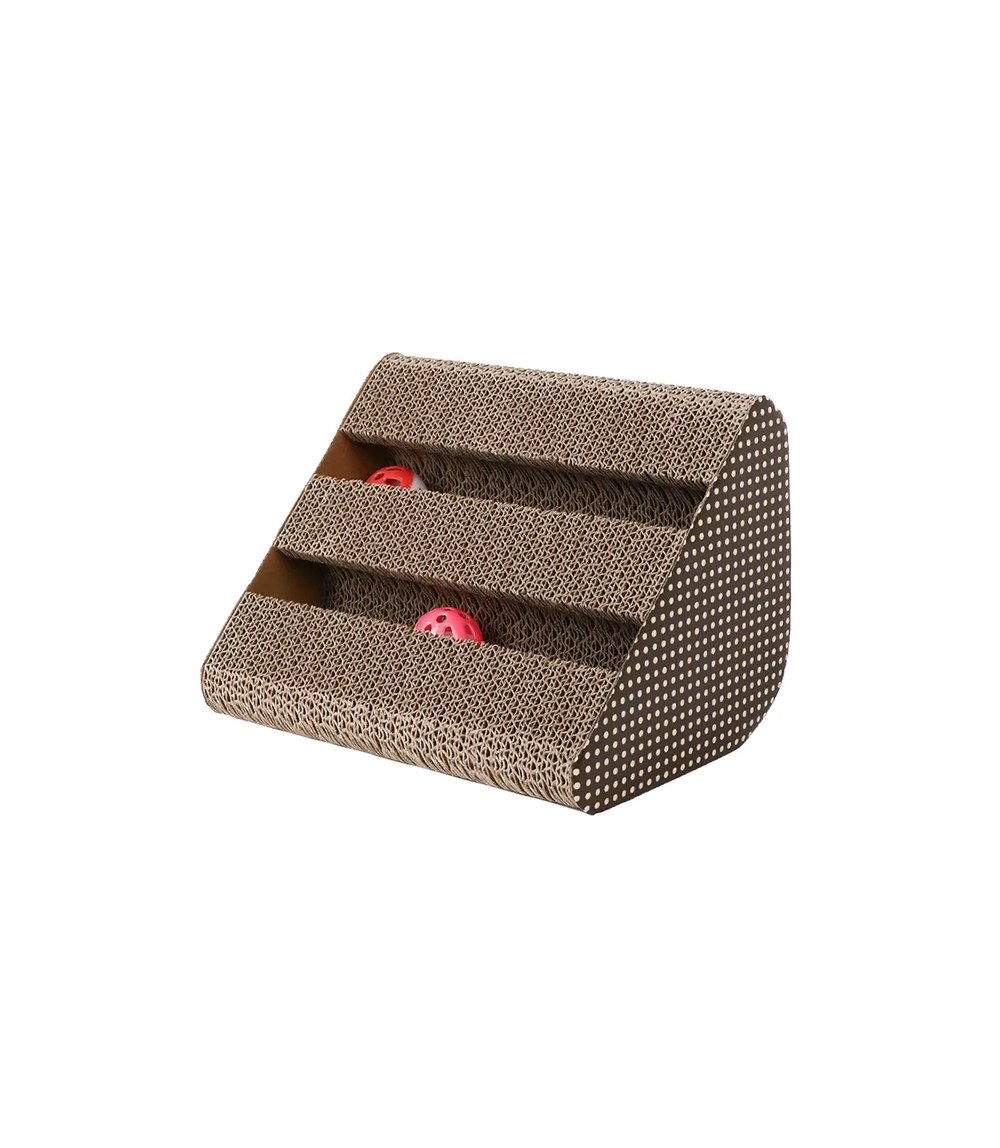
A scratching post that offers an engaging experience is far more likely to win your cat over. Products that combine scratching surfaces with playful elements, like the Pets Empire Cat Scratching with Inside Bell Balls, give your cat a reason to choose the board over the couch. The built-in bell balls add entertainment value, turning scratching time into playtime.
Placement Matters
Place scratching posts and boards near the areas your cat already likes to scratch. If your cat targets the sofa arm, put a scratching post right next to it. Cats also love to scratch after waking up, so a post near their favorite sleeping spot is a smart choice.
Make Furniture Less Appealing
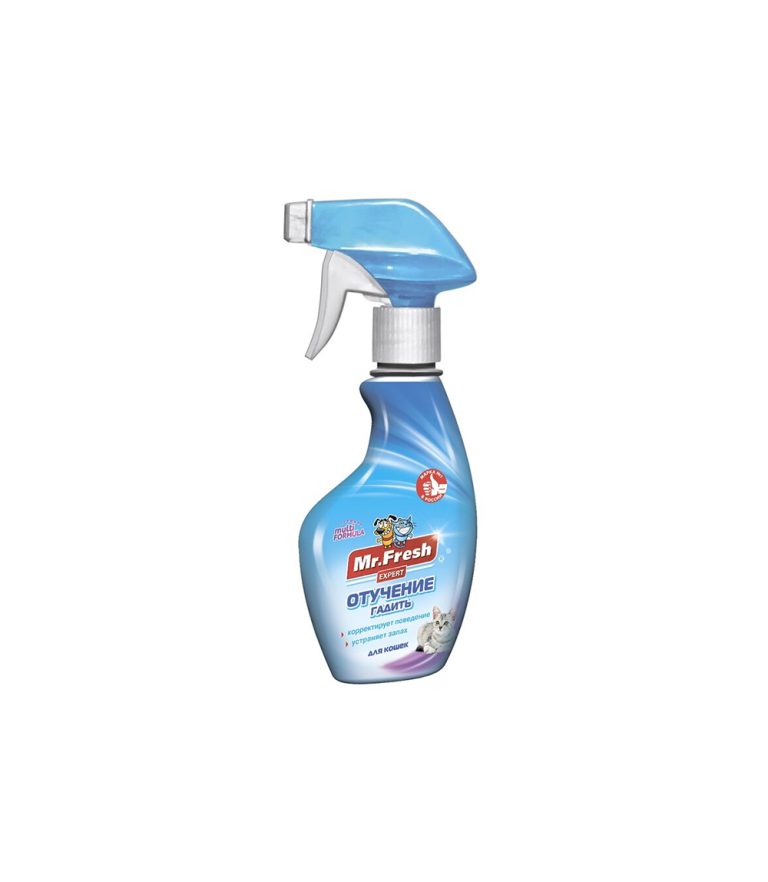
While you are introducing better options, make the old targets less attractive. Cover the scratched areas with double-sided tape, aluminum foil, or a furniture protector. Many cats dislike these textures and will avoid them. You can also use a feline-safe deterrent spray on the fabric.
Encourage and Reward
Whenever you catch your cat using the scratching post, offer praise, a treat, or a little play session. Positive reinforcement helps your cat associate the scratching post with good things. Never yell at or punish your cat for scratching — this only creates fear and anxiety, and it does not teach them what you want them to do instead.
Keeping Your Cat’s Claws Healthy
Regular nail trims can reduce the damage your cat is able to do to furniture. Trim the tips of the claws every couple of weeks using a cat-specific nail clipper, being careful to avoid the pink quick. If your cat is uncomfortable with nail trims, ask your veterinarian or a groomer for a demonstration.
Frequently Asked Questions
Why does my cat scratch the furniture even though there is a scratching post?
Your cat may not like the post’s texture, height, or location. Experiment with different materials and positions until you find a combination your cat prefers.
Can I declaw my cat to stop scratching?
Declawing is an invasive surgical procedure that removes part of the toe and is widely discouraged by veterinarians. It can cause long-term pain and behavioral problems. Redirecting scratching is a far better solution.
How do I get my cat to use a scratching board?
Place the board where your cat already scratches, sprinkle a little catnip on it, and reward your cat whenever they use it. Playful boards with toys, like bell balls, can also spark interest.
What if my cat scratches when stressed?
Stress scratching is common during changes like moving or introducing a new pet. Provide plenty of scratching outlets, maintain a calm environment, and give your cat extra attention during stressful periods.
Final Thoughts
Scratching is a natural, healthy behavior that your cat will never fully outgrow — and that is okay. By understanding why cats scratch and providing appealing alternatives, you can protect your furniture while keeping your feline friend happy, healthy, and entertained.