
Bathing your dog at home doesn’t have to mean a soaked bathroom, a slippery escape attempt, and a very unhappy pup. With the right supplies, a calm approach, and a simple step-by-step routine, you can turn bath time into a stress-free part of your dog’s care schedule — and save money on grooming appointments in the process.
Whether your dog rolled in something questionable at the park or is simply due for a regular cleanup, this guide walks you through everything you need to know to bathe your dog safely and effectively at home.
How Often Should You Bathe Your Dog?
Most dogs do well with a bath every 4 to 6 weeks, but the ideal frequency depends on a few factors:
- Coat type: Short-haired breeds like Beagles and Boxers can often go longer between baths, while breeds with oily coats (such as Basset Hounds) may need more frequent washing.
- Lifestyle: Dogs who hike, swim, or roll in the dirt regularly will need baths more often than couch-loving companions.
- Skin conditions: Dogs with allergies or skin conditions may need medicated baths on a schedule recommended by your veterinarian.
Bathing too frequently can strip the natural oils from your dog’s coat and cause dry, itchy skin, so when in doubt, aim for monthly and spot-clean in between.
What You’ll Need
Gather everything before you start so your dog is never left unattended or unsupervised near water. Here’s a simple checklist:
- Dog-specific shampoo (never human shampoo)
- Dog-safe conditioner (optional, great for long or dry coats)
- A non-slip mat for the tub or sink
- A cup, handheld sprayer, or detachable shower head
- Plenty of soft, absorbent towels
- Cotton balls for protecting the ears
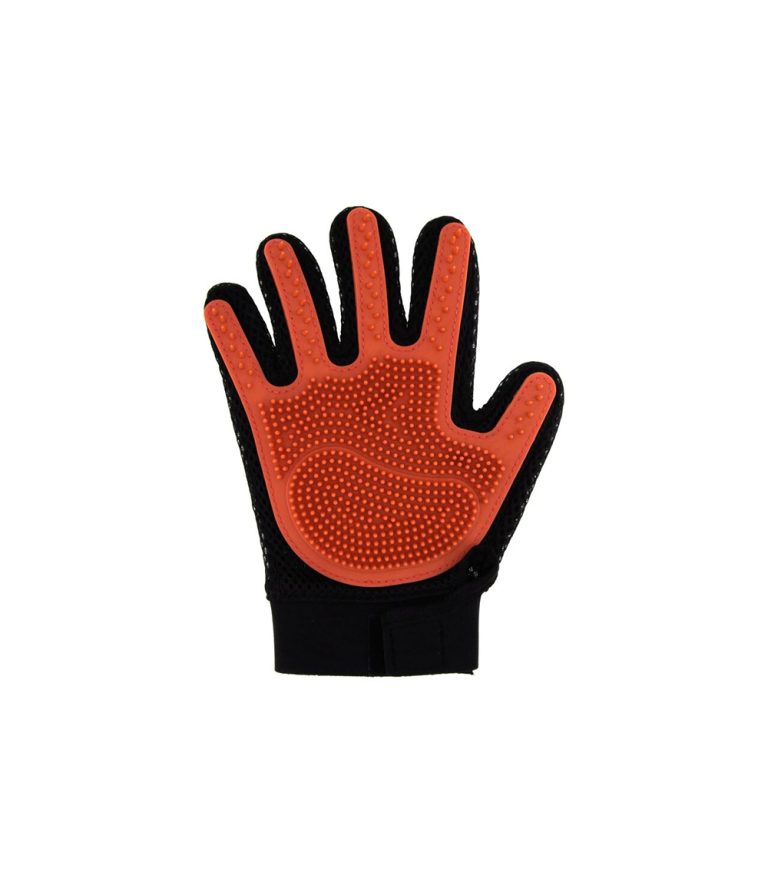
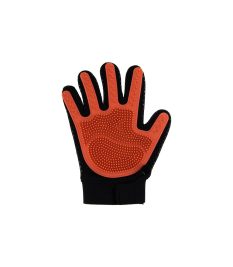
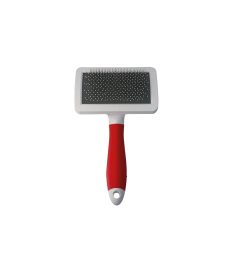
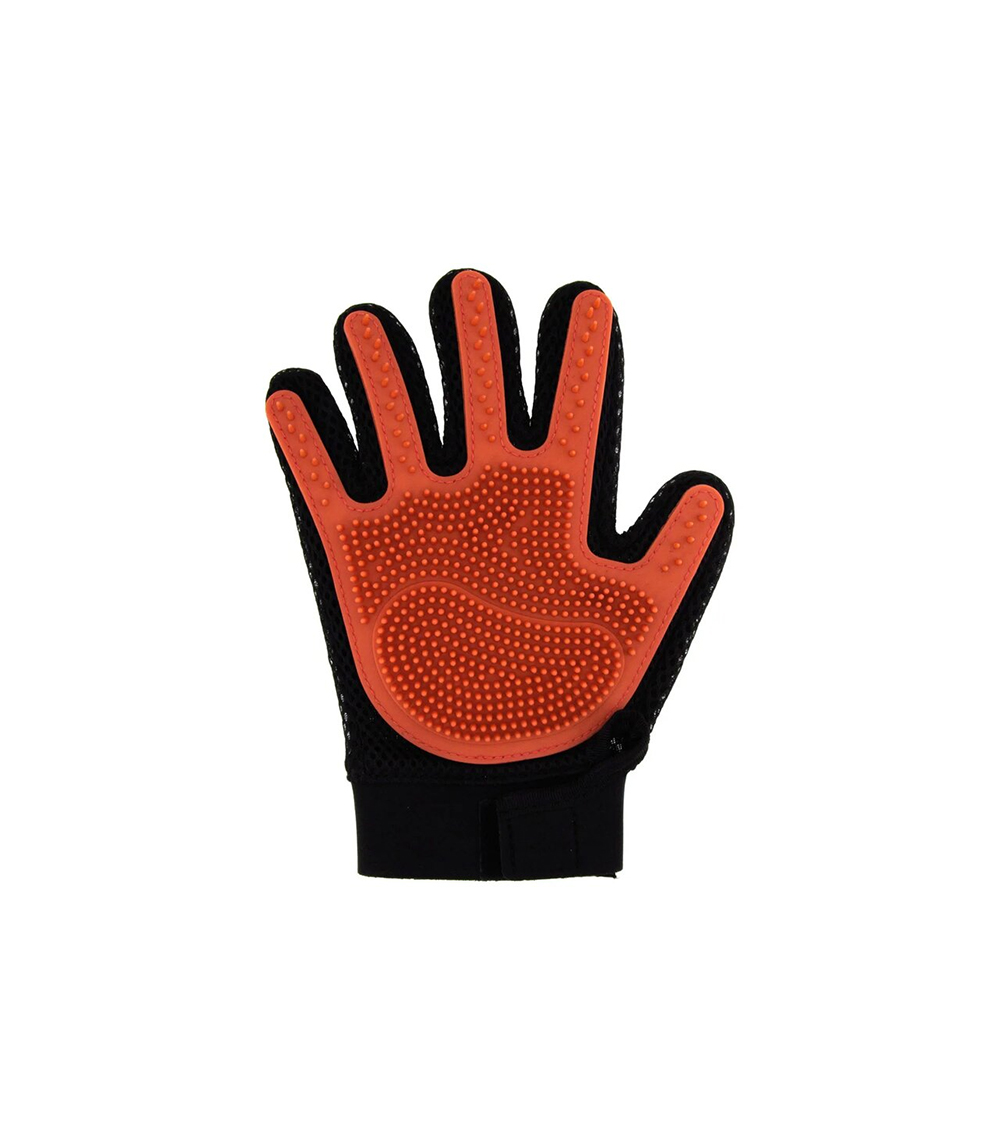
- A brush or comb for before and after
- Treats for rewarding calm behavior
Using a gentle, dog-formulated shampoo matters. Human shampoo has a different pH level and can irritate your dog’s skin and coat. Browse our pet grooming essentials to stock up on dog-safe products.
Step-by-Step: How to Bathe Your Dog at Home
1. Brush Before You Bathe
Always brush your dog thoroughly before getting them wet. Brushing removes loose fur, detangles mats, and prevents knots from tightening when they get wet. For double-coated or long-haired breeds, this step is especially important.
2. Set Up the Bath Area
Place a non-slip mat in the bottom of the tub or sink to help your dog feel secure. Fill the tub with a few inches of lukewarm water before bringing your dog in — the sound of rushing water can be frightening for many dogs. Gently place cotton balls just inside the ears (not deep) to keep water out and reduce the risk of ear infections.
3. Wet Your Dog Gradually
Using lukewarm water, wet your dog slowly from the shoulders back toward the tail. Save the head for last, since most dogs are most sensitive about water on their face. Keep water away from the eyes and ears, and speak in a calm, reassuring tone throughout.
4. Lather with Dog-Safe Shampoo
Apply a small amount of dog shampoo and work it into a gentle lather, massaging down to the skin. Pay extra attention to the paws, belly, and any areas that get especially dirty. Avoid the eyes and the inside of the ears.
5. Rinse Thoroughly
Rinse until the water runs completely clear. Leftover shampoo residue is one of the most common causes of itchy, flaky skin after a bath. Rinse twice if you have any doubt — residue hides easily in thick or double coats.
6. Dry Your Dog Off
Towel-dry your dog with firm, gentle pressure, squeezing the coat to remove excess water. If your dog tolerates it, you can use a blow dryer on the lowest, coolest setting held at a safe distance — but never use high heat, which can burn the skin. Many dogs are happiest with a good old-fashioned towel rub followed by a shake.
7. Reward and Reassure
End every bath on a positive note. Offer plenty of praise, a favorite treat, and maybe a short play session. This helps your dog associate bath time with good things, making future baths easier.
Common Bathing Mistakes to Avoid
- Using human shampoo: It strips your dog’s natural oils and can cause serious skin irritation.
- Water that’s too hot or too cold: Stick with lukewarm — comfortable for a baby is comfortable for your dog.
- Skipping the brush: Bathing a matted or tangled coat makes knots worse, not better.
- Getting water in the ears: Moisture trapped in the ear canal can lead to painful infections.
- Rinsing too quickly: Lingering shampoo residue is a top cause of post-bath itching.
How to Make Bath Time Less Stressful
If your dog is anxious about baths, start slow. Let them explore the empty tub on their own, reward them for stepping in, and gradually introduce water over several short sessions. Positive reinforcement, calm energy, and plenty of treats go a long way. For dogs with severe bath anxiety, a professional groomer can be a worthwhile investment.
Frequently Asked Questions
How often should I bathe my dog?
Every 4 to 6 weeks is a good rule of thumb for most dogs. Adjust based on coat type, activity level, and any skin conditions your veterinarian has flagged.
Can I use human shampoo on my dog?
No. Human shampoo is formulated for human skin pH and can strip your dog’s natural oils, leading to dryness and irritation. Always use a dog-specific shampoo.
What if my dog hates baths?
Use positive reinforcement, introduce water gradually, and keep sessions short. A non-slip mat and calm environment help reduce fear. If anxiety is severe, consult a professional groomer or trainer.
What water temperature is best for bathing a dog?
Lukewarm water is ideal — roughly the temperature you’d use for a baby. Water that’s too hot can burn sensitive skin, and water that’s too cold is uncomfortable and can make your dog tense up.
How do I clean my dog’s ears during a bath?
Place cotton balls just inside the ears to keep water out, and clean ears separately with a vet-approved ear cleaner after the bath. Never insert anything deep into the ear canal.
Give Your Dog a Comfortable Bath at Home
Bathing your dog at home is a skill that gets easier with practice. With the right supplies, a gentle touch, and a calm routine, you can keep your dog clean, comfortable, and happy between professional grooming visits. Ready to upgrade your at-home grooming kit? Explore our full range of pet care essentials and make bath time a breeze.